
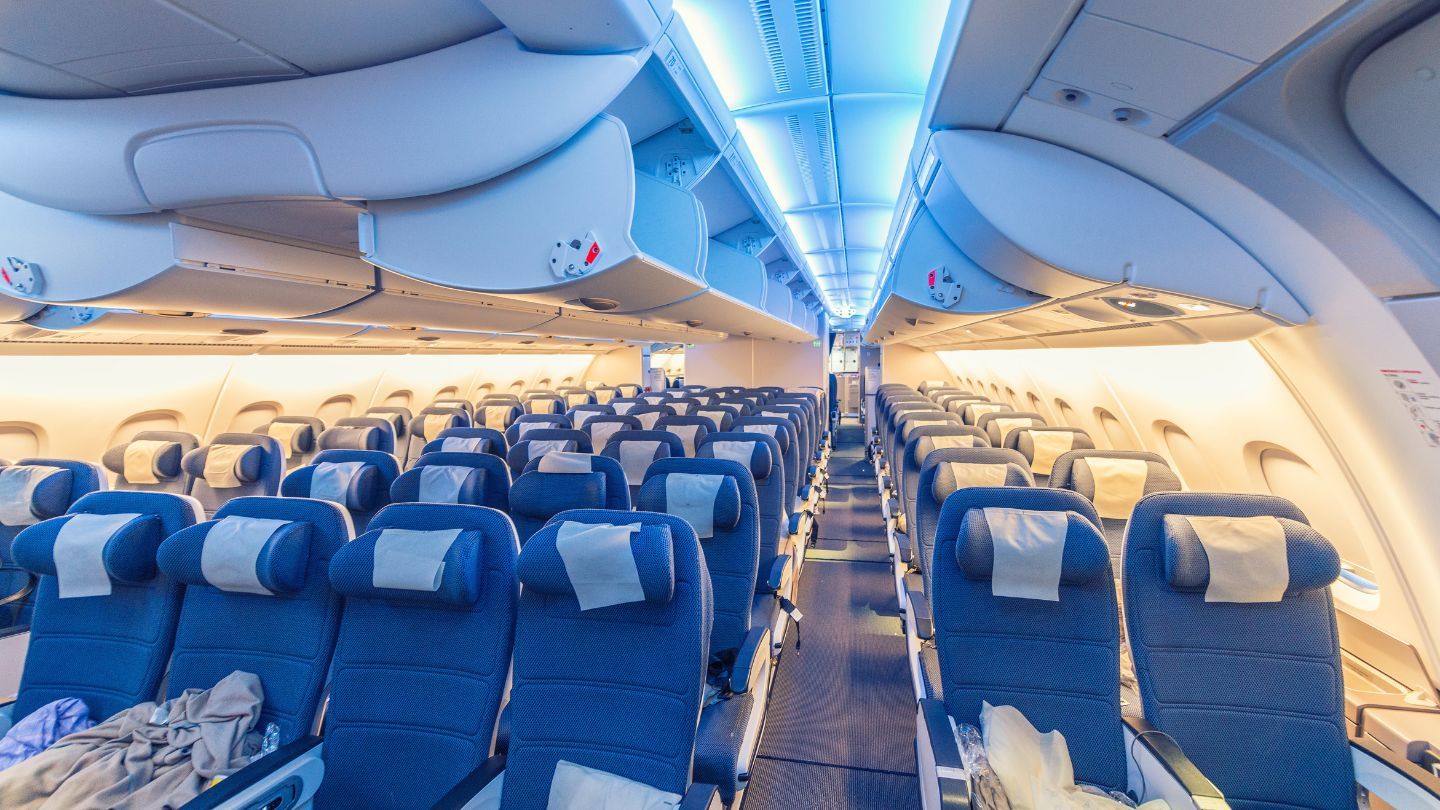
When Can You Travel by Plane After Weight Loss Surgery?
Planning to travel after your weight loss surgery can feel overwhelming, especially when you’re still in the early stages of recovery. Whether you’re eager to return home after having your procedure performed elsewhere or planning a well-deserved vacation to celebrate your commitment to health, understanding when it’s safe to fly is crucial for your well-being and recovery progress.
The good news is that with proper planning, medical support, and timing, most patients can travel safely after bariatric surgery. However, the specific timeline varies depending on several factors, including your type of procedure, healing process, and individual health circumstances. Let’s explore everything you need to know about flying safely after your weight loss surgery.
Key Takeaways
- Most bariatric surgeons recommend waiting 6-8 weeks before flying to allow proper healing of your stomach and surgical sites
- Patients who have minimally invasive laparoscopic procedures may receive clearance to fly as early as 10-14 days with surgeon approval
- Deep vein thrombosis poses the greatest risk when flying after weight loss surgery due to prolonged immobility and recent surgical trauma
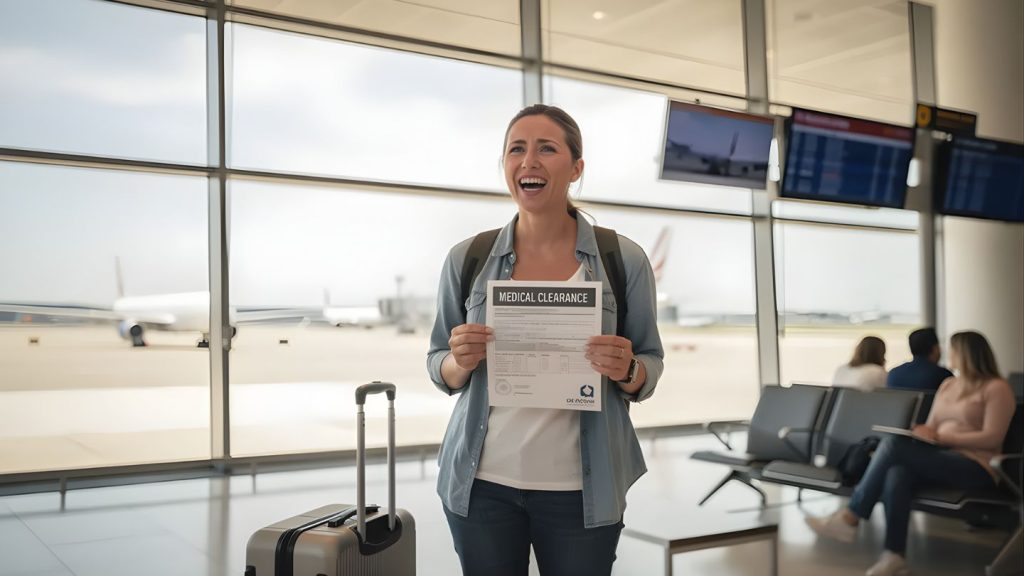
- Always obtain written medical clearance from your healthcare provider before booking any flights, regardless of how well you feel
- Long-haul flights over 4 hours require additional safety precautions and may need to be postponed for up to 8 weeks post-surgery
When is it Safe to Fly After Bariatric Surgery?
The timing of when you can safely fly after bariatric surgery depends primarily on your specific procedure and individual recovery progress. For patients still deciding between treatment options, thinking about weight loss surgery or weight loss medication: what’s best for me? can help clarify which path best matches your health goals and recovery timeline. Here’s what you can typically expect:
Standard Recommendations by Procedure Type
Gastric Sleeve Surgery: Most surgeons recommend waiting 6-8 weeks before flying, as this allows the extensive staple line along your stomach to heal properly. Your digestive system needs this time to recover from the significant changes made during the gastric sleeve procedure.
Gastric Bypass: Due to the complexity of creating new connections in your digestive system, patients typically wait 6-8 weeks before air travel. The healing process for the anastomoses (surgical connections) requires this extended timeline.
Lap Band Surgery: This less invasive procedure may allow travel after 2-3 weeks, though your surgeon will evaluate your specific recovery.
Duodenal Switch: As the most complex bariatric procedure, patients often wait 8 weeks or more before flying, particularly for long flight distances.
Since recovery timelines depend on the type of weight-loss treatment you choose, it helps to understand how surgical options compare with medication-based approaches when planning future travel.
Minimally Invasive vs. Open Surgery Considerations
If you underwent laparoscopic (minimally invasive) bariatric procedures, your surgeon may clear you to fly as early as 10-14 days post-surgery. The smaller incisions heal faster and carry lower complication risks compared to open surgery approaches.
Open surgical procedures require significantly longer recovery periods, typically 8 weeks minimum before air travel is considered safe.
Read more: The Science Behind the Different Types of Weight Loss Surgery
Emergency Travel Situations
In rare circumstances where immediate travel is necessary, some patients may fly with a medical escort and comprehensive safety protocols. This requires written consent from your surgeon and often includes prescription anticoagulation medication to prevent blood clots.
Factors That Determine Your Flight Readiness
Your body’s ability to handle air travel safely depends on multiple factors that your healthcare provider will evaluate. Your readiness to fly isn’t just about how many days have passed since surgery—it’s about how stable your recovery looks overall. Doctors want to see that your body is healing normally, your energy levels are improving, and your day-to-day activity feels manageable without setbacks. These same recovery markers are also part of why you are a good candidate for bariatric and weight loss surgery, since physical stability and overall health play a major role in how safely you can return to routine activities like traveling.
Individual Healing Progress
Every patient’s recovery follows a unique timeline. Your surgeon will assess:
- Absence of fever, nausea, or severe pain
- Stable vital signs and normal wound healing
- Ability to walk independently without assistance
- Tolerance of your prescribed diet and proper fluid intake
- No signs of complications or infections
Flight readiness also indicates a person as a good candidate for bariatric surgery—patients with stronger baseline mobility and fewer complications often meet recovery milestones sooner.
Type of Bariatric Surgery
| Surgery Type | Typical Clearance Time | Special Considerations |
| Gastric Sleeve | 6-8 weeks | Staple line healing is critical |
| Gastric Bypass | 6-8 weeks | Multiple surgical connections |
| Lap Band | 2-3 weeks | Less invasive approach |
| Duodenal Switch | 8+ weeks | Most complex procedure |
Current Mobility and Comfort Level
Your surgeon will evaluate whether you can:
- Walk through an airport without excessive fatigue
- Sit comfortably for extended periods
- Manage your food intake and medication schedule independently
- Handle the physical demands of travel
Medical Risks of Flying Too Soon After Surgery
Understanding the potential risks helps you make informed decisions about your travel plans and emphasizes why medical clearance is essential.
Deep Vein Thrombosis (DVT)
Blood clots represent the most serious risk when flying after weight loss surgery. Your risk increases dramatically in the first 6 weeks following any bariatric procedure due to:
- Surgical trauma that triggers your body’s clotting mechanisms
- Reduced mobility during early recovery
- Prolonged sitting during flights, especially those over 4 hours
- Cabin pressure changes that can affect circulation
Warning Signs of DVT:
- Leg pain, swelling, or warmth in your calf or thigh
- Redness along the affected leg
- Sudden onset of these symptoms
If blood clots travel to your lungs (pulmonary embolism), symptoms may include chest pain, shortness of breath, or lightheadedness. This medical emergency requires immediate attention.
Read more: Does Obesity Cause Strokes?
Dehydration and Nutritional Complications
The postoperative period requires careful attention to your fluid intake and nutritional needs. Air travel presents unique challenges:
Cabin Environment Effects:
- Extremely dry air (only 10-20% humidity) accelerates dehydration
- Your limited stomach capacity makes maintaining proper fluid balance more challenging
- Risk of electrolyte imbalance increases when you can’t consume normal fluid volumes
Nutritional Concerns:
- Difficulty maintaining your prescribed eating schedule
- Limited access to appropriate foods during travel
- Increased risk of nausea from cabin pressure changes
- Potential for food poisoning from unfamiliar airport or airline foods
Wound Healing Complications
Your surgical sites need protected conditions to heal properly:
- Cabin pressure changes can affect internal sutures and healing tissues
- Recirculated airplane air increases infection risk
- Limited ability to properly care for incision sites during long flights
- Gas pain from pressure changes can cause significant discomfort
Read more: How Much Protein Do You Really Need After Bariatric Surgery
Essential Pre-Flight Preparations
Proper preparation is crucial for a safe and comfortable journey. If you’re still early in your journey, planning ahead makes recovery and travel much easier. The top steps to prepare for weight-loss surgery will help ensure a smoother post-op experience. Your medical care team will guide you through these important steps:
Medical Clearance Documentation
Required Documentation:
- Written clearance letter from your bariatric surgeon
- Complete medication list with dosages and schedules
- Emergency contact information for your surgical team
- List of any medical concerns or recent symptoms
Medication Management
Pack at least a 7-day supply of all medications in your carry-on luggage, including:
- Pain medication (in original prescription bottles)
- Anti-nausea medication if prescribed
- Vitamins and supplements as directed
- Any anticoagulation medication your surgeon prescribes
Since nutrient support is part of long-term recovery, it’s also important to stay consistent with vitamins needed after weight loss surgery, especially while traveling and adjusting to a new routine.
Travel Insurance and Medical Planning
- Verify your travel insurance covers recent surgery complications
- Research medical facilities at your destination
- Carry your insurance cards and emergency medical information
- Schedule a follow-up appointment within one week of return if traveling internationally
Pre-Flight Checklist
One Week Before Travel:
- Confirm medical clearance is current
- Pack all medications with extra supplies
- Arrange for aisle seat reservations
- Purchase compression stockings
- Plan a meal and snack strategy
Day of Travel:
- Take medications as prescribed
- Wear compression stockings
- Pack a water bottle and protein shakes
- Bring medical documentation
- Allow extra time for security and walking
Tips for a Safe Flight Experience
Making your journey as comfortable and safe as possible requires attention to several important factors:
Seating and Movement Strategy
Choose an Aisle Seat: This allows easy access to restrooms and provides space to stand and stretch every hour. The ability to move freely is essential for preventing blood clots and managing any discomfort. Simple circulation-boosting movements recommended for post-surgery recovery—like gentle leg and ankle exercises—are especially helpful on flights to lower the risk of clotting.
Movement Schedule:
- Stand and walk for 2-3 minutes every hour
- Perform ankle pumps and calf raises every 30 minutes while seated
- Do seated marching exercises to promote circulation
- Avoid crossing your legs for extended periods
Staying active after surgery doesn’t have to be intense—simple movement matters. Some exercises for optimal health after weight loss surgery highlight safe ways to support long-term wellness.
Compression and Circulation Support
Wear graduated compression stockings rated 15-20 mmHg throughout your journey. These medical-grade compression socks help prevent blood pooling in your legs and significantly reduce DVT risk.
Hydration and Nutrition Management
Staying Hydrated:
- Sip water continuously, aiming for small amounts every 15-20 minutes
- Avoid carbonated beverages that can cause gas pain
- Limit caffeine and alcohol, which contribute to dehydration
- Bring your own water bottle to ensure access to fluids
Managing Food Intake:
- Pack protein shakes or approved liquid supplements
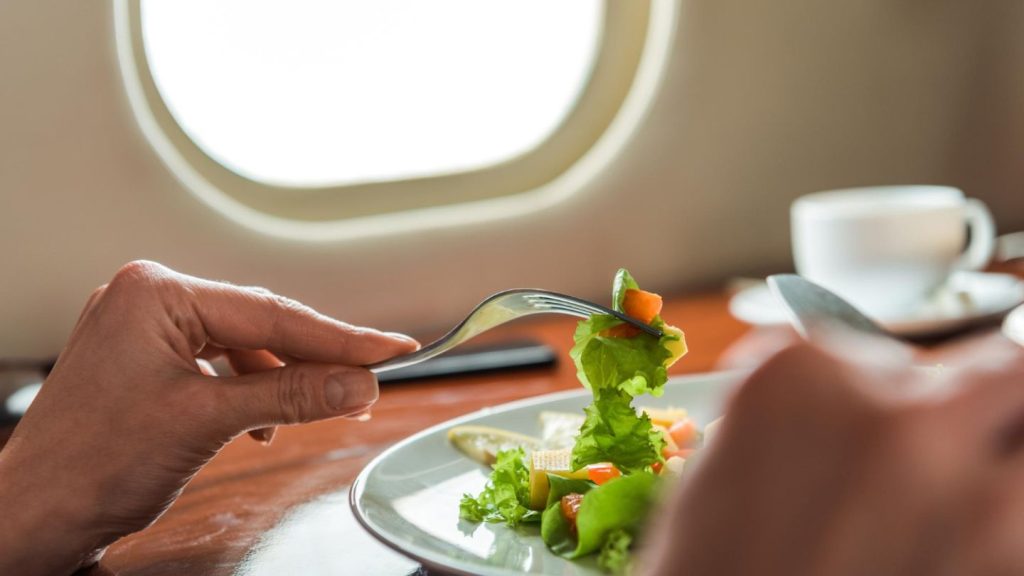
- Avoid airplane meals, which often contain high sodium and processed ingredients
- Stick strictly to your post-surgery diet plan
- Eat slowly and chew thoroughly, as cabin pressure can increase feelings of fullness
Comfort and Temperature Management
Many patients experience increased sensitivity to temperature changes after significant weight loss. Pack layers of comfortable clothing and a small blanket for temperature regulation during the flight.
When to Delay Your Travel Plans
Recognizing warning signs that indicate you should postpone travel protects your health and prevents complications:
Medical Red Flags
Immediate Concerns:
- Fever above 100.4°F (38°C) within 48 hours of travel
- Persistent nausea, vomiting, or inability to keep fluids down
- Severe pain that limits your movement or daily activities
- Signs of wound infection (redness, warmth, swelling, discharge)
Recent Medical Events
Delay travel if you’ve experienced:
- Emergency room visits related to surgery complications
- Hospitalization for any reason since your procedure
- New symptoms that haven’t been evaluated by your surgeon
- Changes in medication or treatment plan within the past week
Surgeon Recommendations
Your healthcare provider may recommend postponing travel based on:
- Your individual healing timeline
- Specific risk factors in your medical history
- Complexity of your planned travel itinerary
- Availability of appropriate medical care at your destination
Always prioritize your surgeon’s advice over any general timeline recommendations. They understand your unique situation and recovery progress better than anyone else.
Personalized Advice for Your Journey
Remember that every patient’s recovery journey is unique. While these guidelines provide important general information, your surgeon’s personalized advice takes precedence. They understand your specific procedure, medical history, and individual risk factors.
The key to successful travel after weight loss surgery lies in patience with your healing process, open communication with your medical support team, and careful preparation. Most patients who follow their surgeon’s recommendations enjoy safe and comfortable journeys that mark exciting milestones in their health transformation.
Your commitment to following medical guidance demonstrates the same dedication that led you to choose bariatric surgery in the first place. With proper planning and medical clearance, you can look forward to many years of healthy, active travel as you continue to stay healthy and enjoy the benefits of your procedure.
If you have any concerns about traveling after your weight loss surgery, don’t hesitate to discuss them with your healthcare provider. They’re your best resource for ensuring that your travel plans support your ongoing recovery and long-term success.
Read more: The Benefits of Losing Weight with a Bariatric Weight-Loss Procedure
Fly With Confidence After Surgery
Flying after bariatric surgery is absolutely doable—but only when your body is truly ready. The safest takeaway is to respect your healing timeline, follow your surgeon’s clearance, and plan ahead for hydration, mobility, and comfort. Waiting for the recommended window, especially for longer trips, helps protect you from complications like blood clots or dehydration and ensures your recovery stays on track. With patience and the right precautions, air travel can be a smooth part of your new, healthier lifestyle.
When you’re preparing for travel—or even deciding which procedure best fits your goals—we’re here to guide you every step of the way. At Lenox Hill Bariatric Surgery Program, our team focuses on individualized care and minimally invasive approaches, helping patients feel supported from surgery day through long-term success. If you’re considering weight loss surgery in NY, we’ll help you explore the full range of options, including the duodenal switch, endoscopic sleeve, gastric bypass, gastric sleeve, and SIPS procedure, so you can confidently choose the path that matches your health needs and future plans.
FAQ
Can I take shorter domestic flights sooner than international flights after bariatric surgery?
Yes, domestic flights under 3 hours may receive approval as early as 2-3 weeks post-surgery in some cases, while international flights typically require waiting 6-8 weeks. The longer duration of international travel increases DVT risk and limits access to your familiar medical care team if complications arise. Your surgeon will consider both flight duration and destination medical resources when making recommendations.
What should I do if I experience severe symptoms while flying after weight loss surgery?
Immediately alert the flight crew and request medical assistance. Carry your surgeon’s contact information and medical clearance letter at all times. For serious symptoms like chest pain, difficulty breathing, or severe abdominal pain, ask the crew to contact ground medical support and consider requesting a priority landing. Don’t hesitate to seek help—flight crews are trained to handle medical emergencies and can coordinate with medical professionals on the ground.
Are there special considerations for connecting flights and layovers after bariatric surgery?
Allow minimum 2-hour connections to accommodate slower walking pace, frequent bathroom breaks, and the need to stretch regularly. Consider breaking very long journeys with overnight stops to reduce stress on your healing body. During layovers, prioritize walking and staying hydrated rather than rushing between gates. The extra time reduces travel stress and helps prevent complications associated with prolonged immobility.
Should I follow any special dietary restrictions while flying after weight loss surgery?
Stick strictly to your post-surgery diet plan and avoid airline meals, which often contain high sodium and processed ingredients that can cause discomfort or nausea. Pack approved protein snacks and supplements in your carry-on. Eat slowly and chew thoroughly, as cabin pressure changes can make you feel full more quickly than usual. Focus on small, frequent sips of water throughout the flight rather than large amounts at once.
What medications should I avoid before flying after bariatric surgery?
Avoid sleep aids, anti-anxiety medications, or any drugs that might prevent regular movement during the flight, as immobility significantly increases blood clot risk in post-surgical patients. Always consult with your surgeon before taking any new medications or changing your prescribed regimen before travel. They may actually prescribe specific medications like blood thinners to help prevent complications during your flight, especially for longer journeys or higher-risk patients.