

Menstrual Changes After Gastric Sleeve Surgery
If you’ve noticed changes in your menstrual cycle after gastric sleeve surgery, you’re not alone. These alterations are a common and typically temporary part of your body’s remarkable transformation journey. Understanding why these menstrual changes occur and what to expect can provide peace of mind during your recovery and help you navigate this important aspect of your overall reproductive health.
Gastric sleeve surgery creates profound shifts in your body’s hormonal landscape, particularly as you experience significant weight loss. Your menstrual cycle, being closely tied to hormonal balance, naturally responds to these changes. While this can feel concerning, especially when dealing with irregular periods or other associated symptoms, most women find that their cycles stabilize and often improve compared to their pre-surgery patterns.
Key Takeaways
- Approximately 70% of women experience some form of menstrual changes after sleeve surgery, primarily due to rapid weight loss and hormonal fluctuations
- Most menstrual irregularities are temporary and typically stabilize within 6-12 months as your body adjusts to its new weight and hormonal balance
- Women with polycystic ovary syndrome often see significant improvements in cycle regularity and fertility following sleeve surgery
- Common changes include heavier bleeding, irregular timing, altered cycle length, and increased cramping during the initial post-surgery period
- While most changes are normal, seek medical advice for extremely heavy bleeding, severe pain, or persistent irregularities beyond one year
Understanding Post-Surgery Menstrual Changes
When you undergo bariatric surgery, particularly gastric sleeve surgery, your body embarks on a complex process of adaptation. Research shows that approximately 70% of women experience some type of menstrual cycle changes following their procedure. This high percentage reflects the intimate connection between weight, hormones, and reproductive function.
These post-surgery menstrual changes typically begin within the first 2-3 months after your operation, coinciding with the period of most rapid weight loss. During this time, your body is working hard to adjust to its new reality – processing fewer calories, adapting to hormonal shifts, and healing from the surgical procedure itself.
It’s crucial to understand that experiencing menstrual changes doesn’t indicate that something has gone wrong. Rather, these alterations are often a sign that your body is responding positively to the metabolic improvements brought about by your weight loss surgery. Many women who struggled with irregular menstrual cycles before surgery find that their reproductive health actually improves significantly in the long term.
The timeline for these changes varies among individuals, but most women notice that their menstrual patterns begin to stabilize between 6 and 12 months post-surgery. Factors that can influence this timeline include your age, pre-surgery menstrual history, the rate of your weight loss, and any underlying conditions such as polycystic ovary syndrome.
Why Gastric Sleeve Surgery Affects Your Menstrual Cycle
Understanding the mechanisms behind how bariatric surgery affects your menstrual cycle can help demystify the changes you’re experiencing. The relationship between weight, hormones, and reproductive function is complex and multifaceted.
Hormonal fluctuations occur as your fat tissue decreases. Adipose tissue, or fat tissue, plays a crucial role in hormone production, particularly estrogen. As you lose weight rapidly after sleeve surgery, your estrogen levels fluctuate, directly impacting your menstrual cycle. This reduction in fat tissue means less peripheral conversion of hormones, which can temporarily disrupt the delicate balance your reproductive system relies on.
Improved insulin sensitivity represents another significant factor in menstrual cycle changes. Many women who undergo weight loss surgery previously struggled with insulin resistance, a condition that can severely disrupt reproductive-related hormones. As your insulin sensitivity improves post-surgery, your body’s production of androgens decreases, and your overall hormonal balance becomes more stable.
The surgical stress itself also contributes to temporary hormonal adjustments. Your body perceives surgery as a significant stressor, triggering cortisol release and potentially suppressing normal reproductive hormone patterns temporarily. Additionally, the nutritional changes that occur post-surgery – including reduced caloric intake and potential vitamin deficiencies – can influence hormone regulation.
Rapid weight loss specifically affects the hypothalamic-pituitary-ovarian axis, the complex communication system that controls your menstrual cycle. When your body loses weight quickly, this system may temporarily slow down or become irregular as it adapts to your new metabolic state.
Common Types of Menstrual Changes
The spectrum of menstrual changes that can occur post-surgery varies widely among women. Understanding these different patterns can help you recognize what’s normal and when to seek additional medical support.
Heavier or prolonged bleeding affects approximately 8% of women after gastric sleeve surgery. This increase in menstrual flow can be particularly challenging if you’re already dealing with anemia, which affects about 30% of women undergoing bariatric procedures. The combination of heavier bleeding and existing iron deficiency can lead to increased fatigue and other associated symptoms.
Irregular cycle timing is perhaps the most common change women experience. Your cycles may become unpredictable – arriving earlier or later than expected, or sometimes being skipped entirely. This irregularity typically reflects your body’s adjustment to new hormone levels and usually stabilizes over time.
Changes in cycle length can manifest as either shorter or longer cycles than you experienced before surgery. Research indicates that about 17% of women notice decreased cycle length, while 10% experience longer cycles. These changes often correlate with your body’s new hormonal patterns and typically normalize as your weight stabilizes.
Increased menstrual cramping and PMS symptoms affect approximately 18% of women post-surgery. Interestingly, some women who previously had relatively pain-free periods may experience more discomfort, while others who struggled with severe cramping may find relief. This variation often relates to whether you’re transitioning from anovulatory to ovulatory cycles.
Spotting between periods can occur during the adjustment phase. While this can be concerning, it typically represents hormonal fluctuations rather than a serious medical issue. However, persistent spotting should be evaluated by your healthcare provider.
Timeline: What to Expect Month by Month
First 3 Months Post-Surgery
During this initial period, you’ll likely experience the most dramatic hormonal fluctuations and cycle irregularities. Your body is working intensively to adapt to rapid weight loss, reduced caloric intake, and the surgical stress response. Many women report missed periods or extremely heavy bleeding during this time.
This is when tracking your menstrual patterns becomes particularly valuable. Note any changes in flow, timing, pain levels, and other associated symptoms. Remember that dramatic changes during this period are typically temporary and part of your body’s natural adjustment process. Some of the bloating or pelvic heaviness people feel early on isn’t only menstrual — how to get rid of trapped post-op gas and digestive shifts can intensify abdominal pressure and cramp-like sensations. Simple movement, hydration, and meal pacing often help relieve that discomfort.
Nutritional focus during these early months is crucial for supporting your overall recovery, including your reproductive health. Ensure you’re following your post-surgery supplement protocol and maintaining adequate nutrition within your reduced caloric intake. The first few weeks can feel unpredictable, so having a recovery routine matters — focusing on sleep, gentle walking, hydration, and patience with your body’s pace can reduce stress and support steadier healing. Small comfort strategies during recovery often make the hormonal transition feel far more manageable.
3-12 Months Post-Surgery
As you progress through this phase, you should begin to see gradual stabilization of your menstrual patterns. While some irregularities may continue, they typically become less dramatic and more predictable. This period often represents the transition phase, where your body is finding its new normal.
Many women notice that their energy levels improve during this time, which can positively impact their menstrual cycle experience. The continued improvement in insulin sensitivity and other metabolic markers also supports more stable reproductive function.
If you have polycystic ovary syndrome, this is often when you’ll begin to see the most significant improvements in cycle regularity. The reduction in insulin resistance and androgen levels typically becomes more pronounced during this timeframe.
Beyond One Year
By this point, most women have achieved significant menstrual recovery and more predictable cycles. Your hormonal balance should have largely adapted to your new weight and metabolic state. If you continue to experience significant irregularities beyond 12-18 months, this may indicate the need for additional medical evaluation.
This is also the timeframe when many women feel confident about family planning decisions, as their reproductive function has typically stabilized. However, always discuss timing with your healthcare team, as individual recovery varies.
PCOS and Gastric Sleeve Surgery Benefits
For women with polycystic ovary syndrome, gastric sleeve surgery often provides remarkable improvements in reproductive health. PCOS affects menstrual cycles through multiple mechanisms, including insulin resistance, elevated androgen levels, and chronic inflammation – all factors that can improve significantly with substantial weight loss.
Mechanisms of improvement in PCOS patients are particularly well-documented. As insulin sensitivity improves following surgery, your ovaries produce fewer androgens, allowing for more normal follicle development and ovulation. Research shows that women with polycystic ovary syndrome PCOS who undergo sleeve surgery experience significant reductions in total testosterone and calculated free testosterone levels within six months.
Specific cycle improvements are often dramatic. Studies indicate that women with PCOS see their menstruation frequency increase from an average of 4.7 cycles per year before surgery to over 10 cycles per year at long-term follow-up. Additionally, about 75-80% of PCOS patients achieve regular cycles within six months of surgery, compared to essentially zero before the procedure.
Enhanced fertility outcomes represent one of the most significant benefits for PCOS patients. Many women who previously required fertility treatments find they can conceive naturally after achieving substantial weight loss through sleeve surgery. However, it’s important to note that this improved fertility means effective contraception becomes crucial if you’re not planning for pregnancy.
Reduced associated symptoms of PCOS, including hirsutism, acne, and metabolic syndrome, often improve alongside menstrual regularity. The comprehensive nature of these improvements reflects the systemic metabolic benefits of significant weight loss in treating the underlying insulin resistance that drives many PCOS symptoms.
Read More: PCOS And Gastric Sleeve — How Can Bariatric Surgery Help Symptoms?
Managing Menstrual Health After Surgery
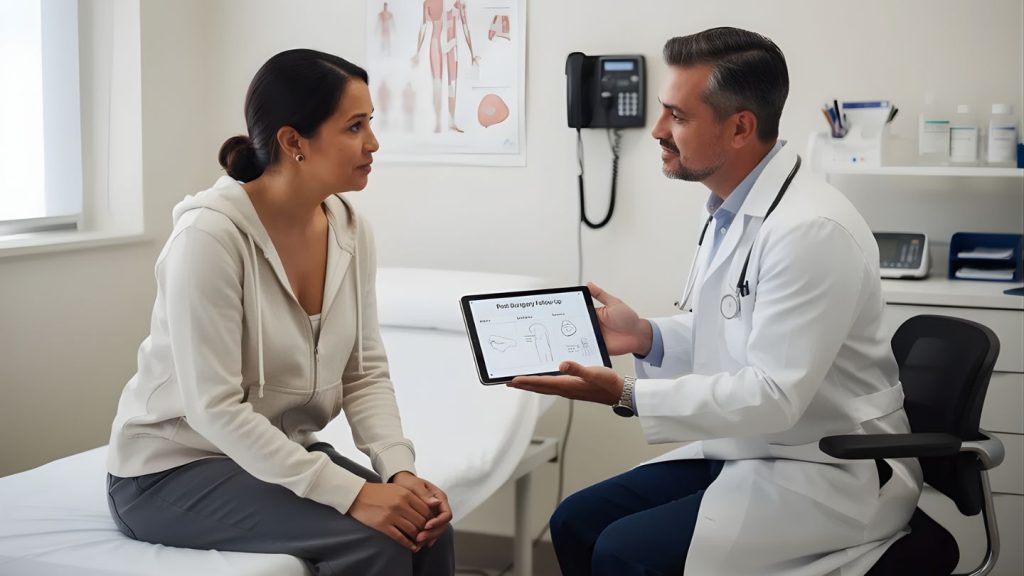
Proactive management of your reproductive health following obesity surgery supports optimal outcomes and helps you navigate any challenges that arise during your recovery.
Nutritional support forms the foundation of healthy menstrual function post-surgery. Following your prescribed supplement regimen is crucial, particularly ensuring adequate iron, vitamin D, vitamin B12, and folate intake. These nutrients directly support reproductive hormone production and overall menstrual health. Following a week-by-week post-sleeve eating diet helps stabilize hormones while your body adapts, because consistent protein, fluids, and nutrient timing reduce the swings that can throw cycles off. When nutrition is steady, menstrual patterns usually settle faster.
A balanced diet rich in anti-inflammatory foods can also support hormonal balance. Focus on incorporating omega-3 fatty acids, lean proteins, complex carbohydrates, and plenty of colorful vegetables within your post-surgery eating plan.
Cycle tracking becomes invaluable during your recovery period. Whether using a smartphone app or traditional calendar method, documenting your cycle length, flow intensity, pain levels, and other symptoms helps you and your healthcare team identify patterns and potential concerns.
Stress management plays a crucial role in supporting stable menstrual cycles. The hormonal stress response can significantly impact reproductive function, so incorporating stress-reduction techniques like meditation, gentle yoga, or regular walking can support your overall recovery.
Exercise considerations should balance the benefits of physical activity for hormonal health with your post-surgery limitations. As you’re cleared for more activity, regular moderate exercise can help regulate menstrual cycles and support overall well-being. However, excessive exercise during rapid weight loss periods can sometimes worsen menstrual irregularities. Digestion changes can also influence how your cycle feels. Constipation is common after sleeve surgery and can worsen bloating, pelvic pressure, and period discomfort, especially in the rapid-loss phase.
Seek Medical Attention: Can Gastric Sleeve Affect Your Period
While most menstrual symptoms after gastric sleeve surgery are normal and temporary, certain symptoms require prompt medical evaluation to ensure your safety and well-being.
Extremely heavy bleeding warrants immediate attention. If you’re soaking through a pad or tampon every hour for several consecutive hours, or if you experience large blood clots (larger than a quarter), contact your healthcare provider immediately. This level of bleeding can quickly lead to dangerous anemia, especially if you’re already iron-deficient.
Severe bleeding that lasts longer than two weeks represents another red flag requiring evaluation. While some cycle irregularity is expected, prolonged bleeding can indicate hormonal imbalances that need medical management or other underlying conditions requiring treatment.
Signs of severe anemia include extreme fatigue, shortness of breath, dizziness, rapid heartbeat, or pale skin. These symptoms can occur when heavy menstrual bleeding combines with already compromised iron stores, creating a potentially serious medical situation.
Persistent irregular cycles beyond 12-18 months post-surgery may indicate the need for hormonal evaluation or other interventions. While some variation is normal, continued significant irregularity after your weight has stabilized warrants investigation.
Severe pain that interferes with your daily activities or is significantly worse than your pre-surgery experience should be evaluated. While some increase in menstrual cramping can be normal, debilitating pain may indicate other issues requiring treatment.
Nutritional Factors Affecting Menstrual Health

The nutritional changes that occur after bariatric procedures can significantly impact your reproductive health, making careful attention to specific nutrients particularly important.
Iron deficiency represents a critical concern, especially when combined with any increase in menstrual bleeding. Iron supports not only red blood cell production but also optimal reproductive function. Working closely with your healthcare team to monitor iron levels and adjust supplementation as needed is essential.
Vitamin D plays a crucial role in hormone regulation and reproductive function. Many women are deficient in vitamin D before surgery, and malabsorption issues post-surgery can exacerbate this deficiency. Adequate vitamin D levels support regular ovulation and overall reproductive health.
B-vitamin complex, particularly B12 and folate, supports proper hormone metabolism and overall reproductive function. These nutrients become particularly important if you’re planning for pregnancy in the future, as they’re crucial for fetal development.
Omega-3 fatty acids can help reduce inflammation and support hormonal balance. Including foods rich in omega-3s or discussing supplementation with your healthcare team can support menstrual health and overall well-being.
Magnesium and zinc also play supportive roles in reproductive hormone regulation. While these are often included in comprehensive multivitamin formulations, discuss with your team whether additional supplementation might benefit your specific situation.
Read More: Vitamins Needed After Weight Loss Surgery
Contraception Considerations After Surgery
The improved fertility that often follows metabolic and bariatric surgery creates important considerations for contraceptive planning, especially during the critical first 12-18 months post-surgery.
Absorption concerns affect hormonal contraceptives, particularly in procedures involving malabsorption. While sleeve surgery primarily restricts intake rather than absorption, the rapid weight loss and potential gastrointestinal changes can still affect how your body processes hormonal birth control.
Timing recommendations suggest avoiding pregnancy for 12-18 months after surgery to allow for weight stabilization and nutritional balance. During this period, reliable contraception becomes particularly important as your fertility may be higher than it was before surgery. Another lifestyle factor to plan carefully is alcohol. After a gastric sleeve, alcohol absorbs faster and can hit harder than before, so even small amounts may affect your hormones, energy, and judgment around food choices.
Alternative contraceptive methods may be recommended during your initial recovery period. Long-acting reversible contraceptives (LARCs) such as IUDs or implants provide reliable pregnancy prevention without concerns about absorption or daily compliance.
The importance of consultation cannot be overstated. Discuss your contraceptive needs with both your bariatric team and gynecologist to ensure you’re using the most appropriate method for your individual situation and recovery timeline.
The reality is that many women who undergo weight loss surgery experience improved fertility relatively quickly, often while they’re still in the rapid weight loss phase. Planning ahead for contraception ensures you can focus on your recovery and weight loss goals without the concern of unplanned pregnancy during this critical period.
Read More: Gastric Sleeve Recovery: What to Expect, How to Heal Faster, and When to Seek Help
Your Next Step Toward Confident, Long-Term Results
Menstrual changes after bariatric surgery can feel unexpected, but in most cases, they’re a normal part of your body recalibrating during rapid weight loss. As hormones shift and metabolism improves, your cycle may be heavier, lighter, earlier, or irregular for a while—then gradually settle into a new, healthier rhythm. The key is staying consistent with your nutrition, supplements, follow-ups, and self-tracking, so you can support recovery and spot anything that needs medical attention. With the right guidance, many women not only stabilize their cycles within months but also see better overall reproductive health and energy as their weight loss progresses.
If you’re considering a gastric sleeve in New York or want expert support managing life after surgery, the Lenox Hill Bariatric Surgery Program is here for you with advanced, patient-first care and procedures tailored to your goals. Our team has deep experience with complex bariatric cases and long-term outcomes, including sleeve-based and metabolic surgeries. When you’re ready, explore the full range of options we offer—duodenal switch, endoscopic sleeve, gastric bypass, gastric sleeve, and SIPS procedure. Contact us to talk through your symptoms, your goals, and the safest path forward—so you can feel informed, supported, and fully in control of your next chapter.
Frequently Asked Questions
How long do menstrual irregularities typically last after gastric sleeve surgery?
Most women see their menstrual cycles stabilize within 6-12 months after surgery, though some may experience changes for up to 18 months. The timeline varies based on individual factors like age, pre-surgery menstrual history, rate of weight loss, and overall health status. Women with pre-existing conditions like PCOS often see improvements beginning within 3-6 months, with continued improvement over time.
Can gastric sleeve surgery cause me to stop having periods completely?
Temporary cessation of periods (amenorrhea) can occur in the first few months after surgery due to rapid weight loss and hormonal fluctuations. This typically resolves as your body adjusts to its new weight and hormonal balance. However, complete long-term loss of menstruation is rare in women of childbearing age and should be evaluated by a healthcare provider if it persists beyond 6 months.
Will my fertility improve after gastric sleeve surgery?
Many women experience improved fertility after significant weight loss from gastric sleeve surgery, especially those with PCOS or obesity-related fertility issues. Studies show that women with PCOS see dramatic improvements in ovulation and cycle regularity. However, doctors typically recommend waiting 12-18 months after surgery before attempting pregnancy to ensure nutritional stability and weight stabilization for optimal maternal and fetal health.
Should I adjust my birth control after gastric sleeve surgery?
Yes, you should discuss contraception changes with your healthcare provider. While sleeve surgery doesn’t typically affect absorption as much as bypass procedures, rapid weight loss and altered body composition may still impact the effectiveness of some hormonal birth control methods. Your doctor may recommend alternative contraceptive methods during the initial post-surgery period, particularly long-acting options like IUDs.
Are there specific supplements I should take to support menstrual health after surgery?
Follow your bariatric surgeon’s standard supplement protocol, which typically includes iron, vitamin D, B12, and comprehensive multivitamins. For menstrual health specifically, ensure adequate iron intake (especially important if you experience heavier bleeding), vitamin D for hormone regulation, and B-vitamins for reproductive function. Some women benefit from omega-3 fatty acids and magnesium, but always consult your healthcare team before adding supplements beyond the standard post-surgery regimen.