

Rethinking Gastric Sleeve Surgery: Is Reversal an Option?
If you’re considering weight loss surgery, it’s natural to wonder: Can gastric sleeve bereversed? Gastric sleeve surgery, also called sleeve gastrectomy, is one of the most popular bariatric procedures in the U.S. due to its proven success in promoting long-term weight loss and improving overall health.
However, unlike other types of bariatric surgery, the gastric sleeve is not reversible. Understanding why that is, and what your options are if complications or weight regain occur, can help you make an informed, confident decision about your weight loss journey.
What Is Gastric Sleeve Surgery?
Before exploring whether gastric sleeve reversal is possible, it’s important to understand what happens during the procedure. During sleeve gastrectomy, your surgeon removes about 75–80% of your stomach, leaving behind a small, tube-shaped portion that resembles a banana. This smaller “sleeve” reduces how much food you can eat and helps regulate hunger hormones, particularly ghrelin, which controls appetite.
Because a significant portion of the stomach is permanently removed, is sleeve gastrectomy reversible? Unfortunately, no, it’s considered a permanent procedure. Once that part of the stomach is removed, it cannot be replaced.
Can Gastric Sleeve Be Reversed?
This is one of the most common questions from patients preparing for surgery: can the gastric sleeve be reversed? The simple answer is no,a gastric sleeve cannot be reversed because the removed portion of your stomach is permanently gone. The procedure involves cutting and removing tissue, not just altering it like in Lap Band surgery.
That said, there are still solutions if you experience challenges after surgery. While gastric sleeve reversal isn’t possible in the literal sense, your surgeon can perform revision or conversion surgeries to adjust the results and improve your experience. So, while the answer to “can you reverse a gastric sleeve?” is technically no, there are revisional options available to help if your initial procedure doesn’t deliver the desired results.
Why Is the Gastric Sleeve Considered Permanent?
Patients often ask, “is the gastric sleeve reversible, or can you reverse gastric sleeve surgery?” It’s a fair question, but the gastric sleeve is considered permanent for a few key reasons:
- Stomach tissue removal: About 80% of the stomach is surgically removed and cannot be restored.
- Hormonal changes: The surgery reduces hunger-regulating hormones like ghrelin permanently.
- Anatomical restructuring: Your digestive system is permanently reshaped to accommodate a smaller stomach pouch.
Because of these irreversible changes, gastric sleeve reversal is not medically possible. Instead, surgeons focus on conversion procedures for patients who need adjustments.
What If Gastric Sleeve Surgery Doesn’t Work?
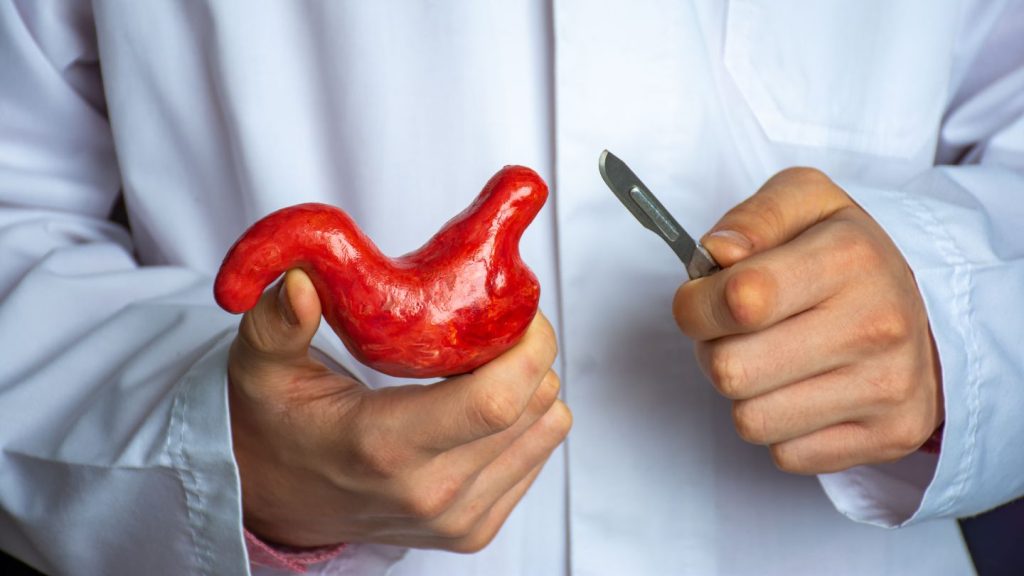
If your results plateau, you develop severe acid reflux, or you’re struggling to maintain weight loss, you might wonder: “can the gastric sleeve be reversed or fixed?”
While it can’t be reversed, there are revision procedures designed to help:
- Gastric Sleeve Revision: The existing sleeve is reshaped or tightened to restore restriction.
- Conversion to Gastric Bypass: A common option for patients dealing with acid reflux or slow weight loss after sleeve surgery.
- Conversion to Duodenal Switch: An advanced revision for metabolic or hormonal issues that provides even greater weight loss results.
So, while gastric sleeve cannot be reversed, revision surgery allows for improvement without starting over from scratch. Similarly, patients who’ve had other bariatric procedures may explore a gastric bypass reversal to correct complications or improve long-term outcomes. Understanding the distinctions between revision and reversal surgeries helps ensure you make the safest and most informed decision for your health.
Are There Reversible Alternatives to Gastric Sleeve Surgery?
If the idea of a permanent procedure feels intimidating, there are reversible or temporary weight loss options you can discuss with your bariatric surgeon:
- Gastric Balloon: A non-surgical procedure where a balloon is temporarily placed in the stomach to limit food intake. It’s removed after six months.
- Lap Band Surgery: A reversible procedure involving an adjustable silicone band placed around the upper stomach. The band can be loosened, tightened, or removed later.
These options may be suitable for patients who aren’t ready for the lifelong commitment that comes with gastric sleeve surgery. So if you’ve been wondering “can gastric sleeve be reversed?”, it might help to consider whether a reversible bariatric procedure is a better fit for your goals.
Can Your Stomach Go Back to Normal After Gastric Sleeve?
A common misconception is that your stomach can “grow back” after surgery. While your stomach can stretch slightly over time,especially if you eat large portions,it will never return to its original size.
The sleeve is designed to be permanent, and long-term success depends on maintaining healthy habits. To preserve your results:
- Follow your post-op diet guidelines
- Eat smaller, nutrient-rich meals
- Avoid overeating and high-calorie liquids
- Stay active and attend follow-up visits
Even though gastric sleeve reversal isn’t possible, healthy lifestyle choices ensure lasting success.
How Long Does a Gastric Sleeve Last?
Many patients ask, “How long does the gastric sleeve last?” The results are intended to last a lifetime. The surgery itself doesn’t “expire,” but maintaining results depends on lifestyle and follow-up care.
Some people may consider revision procedures years later due to slow weight regain or new medical needs. These are not reversals; they’re strategic adjustments that keep your health and weight goals on track.
Do People Ever Regret Gastric Sleeve Surgery?
It’s common to feel nervous or have doubts before and after any major surgery. Some patients experience frustration during recovery or wish they had chosen a reversible option. However, most report that the benefits far outweigh the challenges. After losing significant weight, many experience improved blood pressure, reduced diabetes risk, and enhanced confidence.
If you ever question your results, remember: while you can’t reverse gastric sleeve surgery, you can work with your care team to manage symptoms or explore revisional options for renewed success. It’s completely normal to face challenges or slow progress after surgery, but learning strategies to overcome setbacks on your weight-loss journey can help you stay motivated and continue moving toward your goals with confidence.
Why Choose a Permanent Procedure Like the Gastric Sleeve?

You might ask, “If you can’t reverse a gastric sleeve, why choose it?”
The permanence of this procedure is one of its strengths. It delivers:
- Long-term results without foreign devices or regular adjustments
- Permanent hormonal benefits for appetite control
- Lower complication rates compared to gastric bypass
For many patients, permanence equals peace of mind, a single, lasting change that supports their health for years to come.
Finding the Best Path to Long-Term Success
When it comes to weight loss surgery, there’s no one-size-fits-all approach. While can the gastric sleeve be reversed is a common question, the real focus should be on which procedure fits your health goals and comfort level.
Discuss all your options, including revision and reversible procedures, with a trusted bariatric surgeon. Together, you can design a plan that ensures safe, effective, and sustainable weight loss.
Conclusion
While the gastric sleeve is not reversible, it remains one of the most reliable and effective procedures for achieving lasting weight loss. Understanding that you cannot reverse gastric sleeve surgery allows patients to approach their journey with realistic expectations and long-term commitment. By combining healthy habits, nutritional guidance, and continued medical follow-up, most individuals experience sustainable results and a significant improvement in overall health and confidence.
For those exploring safe and proven bariatric options, the Lenox Hill Bariatric Surgery Program offers expert care and individualized treatment plans. Our skilled team specializes in minimally invasive procedures, such as the gastric sleeve, providing comprehensive support from pre-operative evaluation to long-term recovery. If you’re considering bariatric surgery in New York City, contact our clinic today to learn how we can help you achieve sustainable, life-changing results.
Frequently Asked Questions
Can gastric sleeve be reversed?
No, a gastric sleeve cannot be reversed. During the procedure, about 75–80% of the stomach is permanently removed, making it an irreversible operation. However, if complications occur or results plateau, revision or conversion procedures may be possible.
Can your stomach grow back after gastric sleeve surgery?
Your stomach cannot grow back to its original size after sleeve surgery, but it may stretch slightly over time. Maintaining portion control and following your dietary plan helps prevent stretching and supports long-term results.
What are my options if gastric sleeve surgery doesn’t work?
If you experience challenges after gastric sleeve surgery, your surgeon may recommend a revision procedure or conversion to another bariatric surgery, such as a gastric bypass or duodenal switch, to help improve results or manage symptoms.
Are there reversible alternatives to gastric sleeve surgery?
Yes, reversible options include Lap Band surgery and the gastric balloon. These procedures are adjustable or removable and may be better suited for patients seeking non-permanent solutions.
How long does a gastric sleeve last?
The results of gastric sleeve surgery are designed to last a lifetime. The procedure itself doesn’t “wear off,” but maintaining healthy eating habits, exercise, and regular follow-up care is essential for lasting success.