

How Gastric Sleeve Surgery Impacts Gut Health and Digestion
Gastric sleeve surgery does more than reduce stomach size; it transforms how your digestive system functions at a hormonal, microbial, and metabolic level. From appetite regulation to nutrient absorption, the procedure creates both immediate and long-term changes throughout the gastrointestinal tract. In this blog, we’ll explain how gastric sleeve surgery impacts gut health and digestion, what changes to expect in the months after surgery, and how to support lasting weight loss and overall wellness through proper nutrition and follow-up care.
Key Takeaways
- Gastric sleeve surgery (laparoscopic sleeve gastrectomy) removes approximately 70–80% of the stomach, immediately changing digestion and gut hormones from day one after surgery.
- The procedure strongly lowers the hunger hormone ghrelin, affects gastric emptying, and alters gastric acid flow, which together reshape your gut microbiota within weeks to months.
- Patients commonly notice changes in bowel movements, food tolerance, and nutrient absorption during the first 3–12 months post-op, most of which improve with time and proper care.
- Long-term successful weight loss and gut health depend on protein-focused eating, vitamin and mineral supplementation, hydration, and regular follow-up with your bariatric team.
Gastric Sleeve, Gut Health, and Digestion
Gastric sleeve surgery has become one of the most common procedures for treating severe obesity and metabolic disorders since it gained popularity in the early 2000s. Also known as vertical sleeve gastrectomy, this weight loss surgery permanently removes a large portion of the stomach to help patients lose weight and improve their overall health. Unlike gastric bypass, which reroutes the small intestine, sleeve gastrectomy keeps your gastrointestinal tract intact; it simply makes your stomach much smaller.
Before surgery is even scheduled, patients undergo a detailed evaluation process to determine candidacy. Understanding eligibility for gastric sleeve and medical conditions that may affect approval is an important part of preparation, as factors like uncontrolled reflux, untreated sleep apnea, prior abdominal surgery, or unmanaged metabolic conditions can influence both approval and surgical planning. Careful screening ensures the procedure is safe and aligned with long-term digestive and metabolic health goals.
This structural change affects far more than just how much food you can eat at one sitting. Your stomach plays a central role in producing hormones, secreting acid, and housing certain gut bacteria, all of which influence digestion, appetite, and metabolism. When we remove most of the stomach, we fundamentally change how your digestive system works.
What Happens to the Stomach in a Gastric Sleeve?
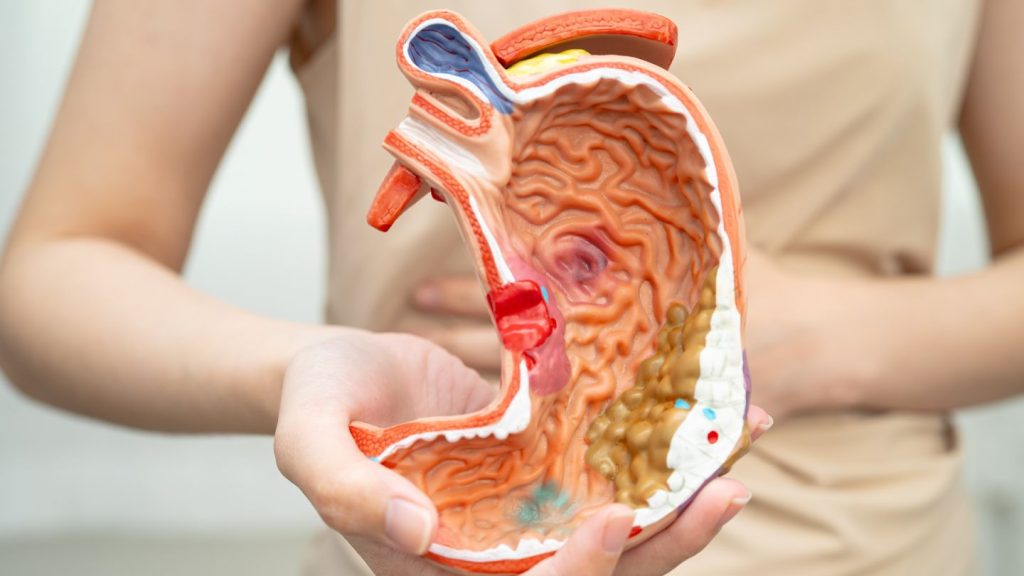
In a standard laparoscopic sleeve gastrectomy, your bariatric surgeon removes approximately 70–80% of the stomach along the greater curvature (the outer, curved edge). What remains is a narrow, tube-shaped sleeve, roughly the size and shape of a banana.
Key anatomical changes include:
| Feature | Before Surgery | After Surgery |
| Stomach shape | Pouch-like, J-shaped | Narrow tube or “sleeve.” |
| Stomach capacity | 1,000–1,500 mL | 60–120 mL initially |
| Fundus (top portion) | Present | Mostly removed |
| Pylorus (outlet valve) | Present | Preserved |
The pylorus, the muscular valve at the bottom of your stomach that controls food flow into the small intestine, is preserved during sleeve gastrectomy. This is an important distinction from some other bariatric procedures and helps regulate intestinal transit in a more natural way.
Crucially, removing the fundus eliminates most of the tissue that produces ghrelin, often called the “hunger hormone.” This is one reason why many patients experience dramatically reduced appetite immediately after surgery. The surgery creates a small gastric pouch that not only limits food intake but also fundamentally changes your body’s hunger signaling.
The procedure is typically performed using minimally invasive laparoscopic techniques, with the surgeon using a sizing bougie (a calibration tube) to ensure the sleeve is created to appropriate specifications.
Immediate Changes in Digestion After Gastric Sleeve Surgery
The first zero to three months after surgery represent a period of rapid adaptation for your digestive system. During this time, you’ll transition from liquids to soft foods to solid foods, and digestion will feel very different from what you knew before.
What changes right away:
- Smaller meal capacity: With your stomach holding only a fraction of its previous volume, you’ll feel full after just a few bites. This is the primary mechanism driving early weight loss.
- Faster gastric emptying: Food moves from your smaller stomach into the small intestine more quickly than before. While this can support weight loss and glucose metabolism, it may cause temporary sensations like warmth, lightheadedness, or mild “dumping-like” symptoms in some patients.
- Altered acid dynamics: Your stomach produces less total gastric acid because there’s simply less stomach tissue. However, the acid can become more concentrated in the smaller space, which is why some patients develop reflux or heartburn during the early months.
Common early digestive symptoms:
- Nausea, especially when eating too quickly or too much
- Feeling of food getting “stuck” if bites are too large
- Increased gas or bloating
- Changes in how certain foods taste or feel
During this adjustment period, following structured guidance can make recovery significantly smoother. Implementing the tips to feel better during gastric sleeve surgery recovery, such as sipping fluids consistently, prioritizing soft protein sources, avoiding drinking with meals, and walking daily, can reduce nausea, constipation, and fatigue while your digestive system adapts.
The reassuring news? Many of these symptoms improve significantly over the first several months as your body adapts and you develop new dietary habits. Learning to eat slowly, chew thoroughly, and stop at the first sign of fullness makes a real difference in comfort.
How Gastric Sleeve Affects Gut Hormones and Appetite
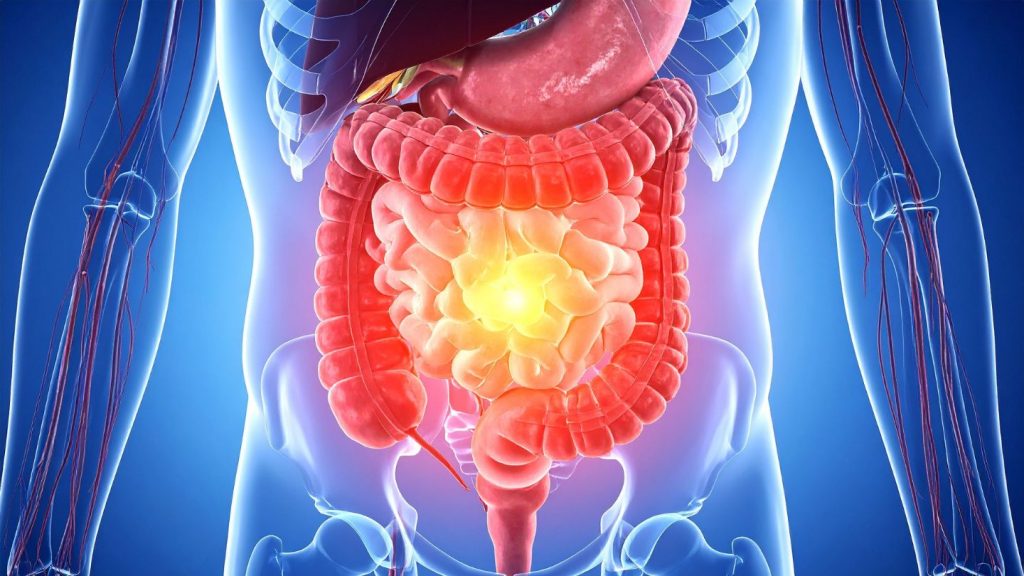
Gut hormones act as chemical messengers between your digestive system, brain, and fat tissue. They strongly influence hunger, fullness, blood sugar control, and energy balance. Sleeve gastrectomy produces significant hormonal changes that explain much of its effectiveness.
Ghrelin reduction, the biggest change:
The most dramatic hormonal shift after sleeve surgery is a substantial drop in ghrelin levels. Because the fundus (where most ghrelin is produced) is removed, many patients notice remarkably reduced appetite in the first 6–12 months after surgery. This isn’t just about having a smaller stomach; your body is sending fewer hunger signals to begin with.
Changes in satiety hormones:
When food reaches your small intestine more quickly after sleeve surgery, it triggers the release of gut-derived hormones like GLP-1 and peptide YY (PYY). These hormones:
- Enhance feelings of fullness
- Help control blood glucose levels
- May contribute to remission or improvement of type 2 diabetes
Research suggests that while gastric bypass patients see more dramatic GLP-1 increases, sleeve gastrectomy still produces meaningful changes in these gut peptides.
Leptin and body weight:
As you lose body weight after surgery, your fat tissue produces less leptin. Combined with lower ghrelin, this creates a new hormonal environment that supports appetite control, though the body’s natural adaptive mechanisms may partially counteract these changes over time.
Understanding these hormonal changes helps explain why sleeve gastrectomy works beyond simple restriction: it’s reshaping your body’s internal hunger and fullness signaling system.
Gut Microbiome Shifts After Gastric Sleeve Surgery
Your human gut microbiota, the trillions of bacteria and other microbes living mainly in your colon, plays essential roles in breaking down food, producing vitamins, regulating immunity, and influencing metabolism and even mental health.
Pre-surgery patterns in obesity:
Research has identified certain patterns in the gut microbiota composition of people with obesity, including altered bacterial ratios, lower microbial diversity, and higher levels of inflammation-related species. These patterns are influenced by both genetic and environmental factors, including dietary habits.
What changes after sleeve surgery:
Multiple factors drive gut microbiota changes after gastric sleeve:
| Factor | How It Affects Gut Bacteria |
| Diet changes | Higher protein, fewer refined carbs shift bacterial populations. |
| Lower calorie intake | Reduces certain bacterial strains that thrive on excess nutrients |
| Altered bile acids | Changes in which bacteria can flourish |
| Different gastric pH | Creates a new environment favoring different species |
The good news:
Studies have found increases in beneficial bacteria (such as Akkermansia and certain Bacteroidetes species) and improvements in overall microbial diversity after sleeve surgery. These microbiota changes correlate with better insulin sensitivity and reduced inflammation, key factors in metabolic health.
These microbiome shifts are part of why the surgery “keeps working” beyond just mechanical restriction. However, maintaining these benefits depends on long-term eating patterns and lifestyle choices. A diet high in fiber and minimally processed foods supports continued microbial diversity, while returning to old habits can partially reverse these gains.
Changes in Nutrient Absorption and Nutritional Status
An important distinction of sleeve gastrectomy is that it’s primarily a restrictive procedure. Unlike Roux-en-Y gastric bypass or biliopancreatic diversion with duodenal switch, there’s no intentional bypass of intestinal segments where nutrient digestion and absorption occur.
However, nutritional challenges still exist:
Despite preserved intestinal length, several factors can affect nutrient absorption after sleeve surgery:
- Smaller meal sizes limit total nutrient intake
- Reduced gastric acid affects the absorption of certain minerals
- Faster transit may reduce absorption time
- Intolerance to dense protein foods or high-fiber items can limit food choices
Key nutrients at risk for deficiency:
| Nutrient | Why It’s At Risk | Consequences of Deficiency |
| Vitamin B12 | Reduced acid and intrinsic factor | Fatigue, neurological symptoms |
| Iron | Reduced acid environment | Anemia, weakness |
| Vitamin D | Lower food intake, fat-soluble vitamins absorption | Bone health issues |
| Calcium | Need acid to absorb calcium effectively | Bone density loss |
| Folate | Reduced intake | Anemia, pregnancy complications |
| Thiamine | Reduced intake, especially with vomiting | Neurological problems |
Energy levels can fluctuate if supplementation or intake is inconsistent. Incorporating ways to boost energy after gastric sleeve surgery, such as meeting daily protein targets, correcting iron or B12 deficiencies, maintaining hydration, prioritizing sleep, and engaging in regular movement, helps support metabolic recovery and digestive resilience.
Lifelong use of bariatric-formulated multivitamins and targeted supplements (as directed by your healthcare provider) is essential for preventing vitamin deficiencies and maintaining optimal health.
Common Post–Gastric Sleeve Bowel Changes
Changes in bowel movements are normal after sleeve surgery, especially during the first three to six months, as your diet, fluid intake, and gut bacteria adjust. Understanding what’s typical and what warrants concern helps you navigate this transition.
Constipation:
This is one of the most frequent digestive complaints after sleeve surgery. Contributing factors include:
- Low fiber intake during the soft food phase
- Reduced overall food volume
- Dehydration (common when adjusting to new fluid needs)
- Iron and calcium supplements
Practical strategies for constipation:
- Increase fluid intake to at least 1.5–2 liters daily
- Add fiber supplements as tolerated and approved by your team
- Gentle walking and regular movement
- Discuss stool softeners with your bariatric surgeon if needed
Loose stools or urgency:
Some patients experience diarrhea or urgency when reintroducing fats, sugar alcohols, or lactose. Dumping syndrome, where food moves too quickly through your GI tract, can cause symptoms including nausea, cramping, and diarrhea, though this is more common in gastric bypass patients.
Identifying and limiting trigger foods usually helps resolve these issues. Fat malabsorption is less common with sleeve surgery than with more malabsorptive procedures.
Gas and bloating:
As your gut microbiota shifts, you may notice increased gas, bloating, or changes in stool odor. Probiotics or gradual introduction of fiber-containing foods may help, as recommended by your care team.
Warning signs requiring immediate attention:
- Persistent severe diarrhea lasting more than a week
- Black, tarry, or bloody stools
- Intense abdominal pain
- Inability to keep fluids down
These symptoms are not normal and require prompt evaluation to rule out complications such as ulcers, strictures, or infections. Never hesitate to contact your bariatric team.
Long-Term Gut Health After Gastric Sleeve (1+ Years)
Beyond the first year, your body weight and gut function begin to stabilize, but your digestive system continues adapting to its new anatomy and your evolving lifestyle.
Hormonal adaptation:
As hormonal appetite suppression softens over time, lifestyle habits become increasingly important. Understanding the effect of weight gain after bariatric surgery, including grazing, liquid calories, loss of meal structure, unmanaged stress, and decreased physical activity, can help protect long-term metabolic and microbiome improvements.
Microbiome stabilization:
Over the years, your gut bacteria tend to settle into a new, more stable state. When supported by a balanced, fiber-rich, minimally processed diet, this new microbiome often remains more metabolically favorable than your pre-surgery state.
Long-term issues to monitor:
| Concern | What to Watch For |
| Reflux | Persistent or new-onset heartburn despite lifestyle changes |
| Vitamin deficiencies | Subtle symptoms like fatigue, hair loss, and numbness |
| Gallstones | Right upper abdominal pain, especially after fatty meals |
| Weight regain | Gradual increases linked to grazing, liquid calories, or loss of meal structure |
The importance of follow-up:
Regular appointments with your bariatric surgeon, primary care provider, and dietitian remain essential for:
- Adjusting supplement doses based on lab results
- Screening for emerging deficiencies
- Troubleshooting chronic digestive complaints
- Supporting long-term well-being and weight maintenance
Your relationship with your bariatric team doesn’t end after surgery; it evolves into a long-term partnership for maintaining your health.
Final Thoughts
Gastric sleeve surgery reshapes far more than stomach size; it fundamentally changes gut hormones, digestion patterns, microbiome balance, and nutrient absorption. From the early post-operative adjustment phase to long-term metabolic stabilization, patients experience shifts in appetite regulation, bowel habits, and nutritional needs. While many digestive symptoms improve within months, lifelong success depends on structured eating habits, vitamin supplementation, hydration, physical activity, and consistent follow-up care.
At Lenox Hill Bariatric Surgery Program, patients considering the gastric sleeve in New York receive comprehensive evaluation and long-term support tailored to their health goals. For individuals exploring other surgical options, procedures such as gastric bypass, adjustable gastric banding, duodenal switch, or revision surgery may be discussed depending on medical history, weight loss goals, and metabolic needs. A personalized approach ensures that each patient receives the safest and most effective surgical plan to support durable weight loss and long-term digestive health. Contact us now to schedule a consultation and learn more about your weight loss surgery options and whether the gastric sleeve is right for you.
Frequently Asked Questions
How soon after the gastric sleeve will my digestion and bowel habits start to change?
Changes start immediately, with the biggest shifts during the first 2–12 weeks as you progress from liquids to solids. Constipation or loose stools are common. Contact your care team if no bowel movement occurs after 3–4 days or diarrhea persists.
Does a gastric sleeve always cause acid reflux or heartburn?
No. Some patients improve, while others develop new or worsened reflux due to increased stomach pressure. Acid-reducing medications are commonly prescribed after surgery. Persistent or severe reflux should be evaluated to rule out anatomical problems or a hiatal hernia.
Will my gut bacteria go back to “normal” if I regain some weight?
Microbiome changes stem from both anatomy and diet. Weight regain and old eating habits may reverse some benefits, but many positive shifts remain. Maintaining a high-fiber, minimally processed diet and regular exercise supports long-term gut health stability.
Can I take probiotics after a gastric sleeve to help my digestion?
Many bariatric teams allow probiotics after 4–6 weeks, especially for bloating or after antibiotics. Use surgeon- or dietitian-recommended brands. Probiotics work best alongside balanced nutrition, proper hydration, and limiting highly processed, high-sugar foods.
How long do I need to stay on vitamins and minerals after gastric sleeve surgery?
Supplementation is usually lifelong. Reduced stomach size and acid levels limit nutrient absorption, even with a healthy diet. Annual blood tests are essential to adjust doses and prevent deficiencies, ensuring long-term health and optimal recovery after surgery.