

Does Cortisol Cause Belly Fat? How Stress Affects Weight Loss
If you’ve ever noticed your pants fitting tighter during stressful periods, even when your eating habits haven’t changed dramatically, you’re not imagining things. The relationship between stress and that stubborn belly fat is real, though it’s more nuanced than many headlines suggest.
The term “cortisol belly” has become popular for describing stress-related abdominal weight gain, and there’s genuine science behind the concept. However, understanding what cortisol actually does in your body, how it differs from rare medical conditions, and what practical steps can help is essential for anyone trying to lose weight while navigating life’s inevitable pressures. This blog breaks down the evidence on how the stress hormone cortisol influences weight, why your midsection seems particularly vulnerable, and, most importantly, what you can actually do about it.
Key Takeaways
- Chronic stress raises cortisol, which can encourage belly fat gain and slow weight loss through increased appetite, sleep disruption, and changes in where your body stores fat.
- Everyday stress-related high cortisol is very different from Cushing’s syndrome, a rare medical condition causing extreme cortisol elevations and rapid central weight gain.
- Cortisol alone doesn’t “cause” obesity, but it can make midsection fat more stubborn and weight loss harder when stress, poor sleep, and diet all interact together.
- Managing stress, sleep, physical activity, and nutrition as a complete picture is the most effective way to reduce cortisol-related belly fat.
- If you’re experiencing rapid, unexplained weight changes along with other concerning symptoms, speaking with a healthcare provider can help rule out underlying health conditions.
What Is Cortisol and How Does It Work?
Cortisol is a hormone produced by the adrenal glands, which sit on top of your kidneys. Often called the body’s primary stress hormone, cortisol plays essential roles in keeping you alive and functioning; it’s not inherently a villain, despite its reputation. Misunderstandings about hormones and weight are common, similar to misconceptions addressed in weight loss surgery myths that oversimplify complex metabolic processes.
Your cortisol levels follow a natural daily rhythm. In healthy individuals, cortisol is typically lowest around 3 a.m. while you’re sleeping, then rises to peak near 6-8 a.m. to help you wake up and feel alert. Throughout the day, levels gradually decline, reaching their lowest point again at night to allow restful sleep.
Key functions of cortisol include:
- Managing the body’s response to stress (the “fight or flight” reaction)
- Regulating blood sugar by signaling the liver to release glucose
- Helping control blood pressure
- Reducing inflammation when needed
- Influencing how your body uses carbohydrates, fats, and proteins for energy
Short bursts of cortisol, like during a challenging workout, an important presentation, or when you need to react quickly to danger, are completely normal and helpful. These temporary spikes give you energy and focus, then subside. The concern arises when elevated cortisol levels remain high for extended periods due to chronic stress.
It’s also important to understand that cortisol doesn’t work in isolation. It interacts constantly with other hormones, including:
- Insulin (which regulates blood sugar and fat storage)
- Thyroid hormones (which control metabolism)
- Estrogen and testosterone
- Hunger hormones like ghrelin and leptin
Belly fat is usually the result of this entire hormonal network working together, or against each other, rather than any single hormone acting alone.
High Cortisol From Stress vs. Medical Conditions
When people talk about “high cortisol,” they might be describing two very different situations: the common, lifestyle-related elevations most of us experience during stressful periods, or rare medical conditions like Cushing’s syndrome that require specialized treatment. For individuals seeking more structured medical support, understanding care pathways, such as private weight loss surgery, highlights how personalized evaluation can address complex metabolic challenges.
Most people who worry about a cortisol belly have stress-related cortisol elevations, not a medical disorder. Distinguishing between these scenarios matters tremendously because the treatment approaches are completely different.
Stress-Related High Cortisol
Every day life offers plenty of opportunities for cortisol to stay higher than ideal. Common triggers include:
- Chronic work stress or job insecurity
- Caregiving responsibilities and burnout
- Financial worries
- Relationship conflict
- Sleep deprivation or irregular sleep schedules
- Shift work that disrupts natural rhythms
- Excessive caffeine intake
- Overtraining without adequate recovery
When stress levels remain elevated, you might notice symptoms that develop gradually:
- Increased appetite, especially for sugary and fatty foods
- Gradual weight gain around the midsection
- Persistent fatigue despite adequate sleep time
- Difficulty falling asleep or staying asleep
- Irritability or feeling “on edge.”
- Brain fog and difficulty concentrating
- Getting sick more frequently
If you have lab work done during these periods, your cortisol might show on the higher end of normal ranges, but often nothing dramatically abnormal appears. The good news is that this type of elevation is usually reversible over weeks to months with consistent lifestyle changes, better stress management techniques, improved sleep, balanced nutrition, and appropriate exercise.
If you’re experiencing moderate, long-standing stress symptoms, starting with lifestyle strategies while monitoring your overall health through routine checkups is often a reasonable first approach.
Hypercortisolism (Cushing’s Syndrome and Related Disorders)
Cushing syndrome is a medical condition where the body produces abnormally high cortisol levels, typically due to a tumor in the pituitary or adrenal glands, or from long-term use of high-dose steroid medications like prednisone (often prescribed for conditions such as asthma, lupus, or rheumatoid arthritis).
The hallmark signs of Cushing’s syndrome are distinctive and more severe than typical stress-related changes:
- Rapid central weight gain with a round “trunk” while arms and legs remain relatively thin
- A rounded “moon face” and facial puffiness (sometimes called cortisol face)
- A fat pad developing between the shoulders (“buffalo hump”)
- Purple or reddish stretch marks on the abdomen, thighs, or breasts
- Thin, fragile skin that bruises easily
- Poor wound healing
- Muscle weakness, particularly difficulty climbing stairs or rising from a seated position
Additional features often include high blood pressure, elevated blood sugar or new-onset diabetes, and significant mood changes such as depression or anxiety.
Diagnosis requires multiple tests, blood, urine, or saliva cortisol measurements taken at different times of day, and often MRI or CT scans to identify any tumors.
If you recognize these more severe symptoms in yourself, particularly rapid changes over weeks to months, please seek medical evaluation promptly. Cushing’s syndrome is treatable but serious. Treatment may involve surgery to remove tumors, radiation therapy, careful tapering of steroid medications under supervision, or cortisol-lowering medications prescribed by an endocrinologist.
Does Cortisol Really Cause Belly Fat?

Here’s the direct answer: cortisol doesn’t magically create belly fat on its own, but chronically high levels of cortisol can shift where fat gets stored and make abdominal fat particularly stubborn to lose. Recognizing how hormonal patterns affect fat storage also explains why many people are considered strong candidates under criteria discussed in why you are a good candidate for bariatric and weight loss surgery.
Research shows that cortisol encourages storage of visceral fat, the deep fat that surrounds internal organs in your abdomen, rather than just the subcutaneous fat that sits under your skin. This visceral fat is metabolically active and linked to higher risks of metabolic syndrome, type 2 diabetes, and heart disease.
Studies using MRI imaging have demonstrated associations between long-term stress, higher cortisol, and greater waist circumference. Research on pre-menopausal women at Yale found that even non-overweight individuals who were “stress-vulnerable” stored excess fat centrally around their organs, with cortisol reactivity playing a key role.
How cortisol influences fat distribution:
- Cortisol enhances lipogenesis (fat creation) and inhibits lipolysis (fat breakdown) in visceral fat depots
- High cortisol responders to stress show greater weight gain propensity than low responders
- Cortisol elevates blood glucose and stimulates insulin release, which promotes fat storage
- Chronic stress flattens the normal cortisol awakening response, independently associating with abdominal fat accumulation
The popular term “cortisol belly” isn’t a formal medical diagnosis; it’s a descriptive phrase for stress-related abdominal weight gain. While evidence supports cortisol’s contribution to this pattern, it’s rarely the single root cause. Diet, movement, sleep quality, medications, genetics, and age all play major roles.
It’s worth noting that some people have belly fat with completely normal cortisol levels, while others with high cortisol may not be markedly overweight. A comprehensive evaluation should look at the whole picture, not just one hormone.
How Cortisol Increases Belly Fat and Slows Weight Loss
Elevated cortisol affects multiple body systems simultaneously, including muscles, appetite, blood sugar, sleep, and motivation, all of which influence your weight loss efforts, reinforcing the importance of early lifestyle optimization similar to the foundational guidance outlined in steps to prepare for weight loss surgery.
These mechanisms interact with each other, creating a frustrating cycle where stress makes healthy habits harder to maintain, which then worsens stress and promotes weight gain.
Muscle Breakdown and Slower Metabolism
When cortisol production stays elevated for extended periods, it promotes the breakdown of muscle tissue to free up amino acids for energy and blood sugar production. This process, called catabolism, made sense for our ancestors facing genuine physical threats, but chronic psychological stress triggers the same response without the physical activity that would use those freed-up resources.
Less muscle mass translates directly to a lower resting metabolic rate. Your body burns fewer calories at rest, making it easier to gain fat and harder to lose weight, even with the same calorie intake you’ve always maintained.
People under chronic stress often notice they’re losing strength or feeling weaker, particularly in their legs and core. This reduced muscle mass can further decrease activity levels, creating another layer of the stress-weight cycle.
Preserving and rebuilding muscle requires intentional effort: aim for 2-3 days per week of strength training using bodyweight exercises, resistance bands, or weights, combined with adequate protein intake throughout the day.
Increased Appetite and Cravings
Stress and cortisol interact with hunger hormones, particularly ghrelin (which stimulates appetite) and leptin (which signals fullness), in ways that increase your drive to eat, especially high-sugar, high-fat “comfort” foods.
Many people under chronic stress describe:
- Frequent grazing throughout the day
- Emotional eating that feels almost automatic
- Difficulty stopping after one portion, especially in the evening
- Intense cravings for fatty foods, sweets, and carbohydrates
This pattern isn’t weakness or lack of willpower; it’s your brain seeking quick fuel and temporary stress relief through easily accessible calories. Unfortunately, the combination of higher appetite plus calorie-dense food preferences creates a caloric surplus that tends to be stored in the abdominal area.
Practical approaches include eating regular, balanced meals rather than skipping breakfast and overeating at night, keeping protein and fiber high at each meal to promote satiety, and avoiding long stretches of under-eating followed by nighttime overeating.
Insulin Resistance and Blood Sugar Swings
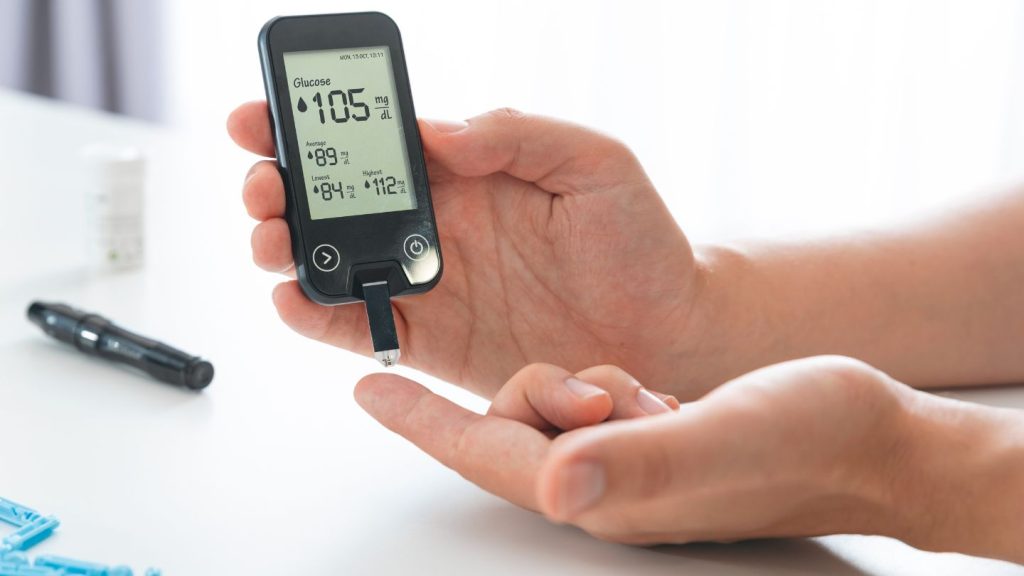
Cortisol signals the liver to release glucose into the bloodstream, preparing your body for “fight or flight.” In short bursts during genuine emergencies, this response is helpful. When cortisol spikes occur constantly due to chronic stress, the ongoing glucose release becomes problematic.
Chronic cortisol elevation can gradually reduce insulin sensitivity, meaning your body’s cells become less responsive to insulin’s signals. The pancreas then needs to produce more insulin to move sugar into cells effectively.
Higher insulin levels favor fat storage, particularly central or visceral fat around the organs. This pattern contributes to insulin resistance and can eventually lead to prediabetes or type 2 diabetes.
Early warning signs of developing insulin resistance include:
- Energy crashes, especially in the afternoon
- Intense sugar cravings after meals
- Rising fasting blood sugar or HbA1c on blood tests
- Difficulty losing weight despite calorie restriction
If you have a larger waistline plus risk factors like high blood pressure or a family history of type 2 diabetes, discussing screening for prediabetes or metabolic syndrome with your doctor is worthwhile. Blood sugar spikes can often be improved significantly with dietary and lifestyle changes when caught early.
Poor Sleep, Recovery, and Motivation
The stress-sleep connection creates one of the most vicious cycles affecting weight loss. Chronic stress makes it harder to fall asleep or stay asleep, often resulting in fragmented sleep of less than 6-7 hours per night.
Poor sleep itself raises cortisol the following day, increases hunger hormones, and lowers satiety hormones. You wake up tired, hungry, and less equipped to make healthy choices, which increases stress, which further disrupts sleep.
When you’re not recovering adequately from exercise, cortisol stays elevated longer, and you may experience increased soreness and fatigue. This makes regular movement feel harder and less appealing, even when you know it would help.
Quality sleep of 7-9 hours is linked to healthier cortisol rhythms, better appetite control, and more efficient weight loss. Prioritizing a consistent bedtime routine, with fixed sleep and wake times, a wind-down period before bed, and a cool, dark bedroom, can gradually restore balance to both sleep and cortisol patterns.
Common Causes of High Cortisol in Everyday Life
While serious medical conditions causing high cortisol are uncommon, many modern lifestyle factors can keep cortisol higher than ideal for extended periods. Understanding these triggers helps you identify which ones apply to your situation. Chronic stress-related behaviors mirror patterns seen in discussions around weight gain after bariatric surgery, where lifestyle and hormonal factors intersect.
Common contributors to chronically elevated cortisol:
- Chronic psychological stress: Work pressure, caregiving, relationship difficulties, financial strain
- Inadequate or irregular sleep: Less than 7 hours consistently, variable bedtimes, poor sleep quality
- High caffeine intake: Particularly consuming caffeine throughout the day or into the afternoon
- Alcohol and nicotine use: Both can spike cortisol and disrupt sleep architecture
- Overtraining: High-intensity workouts every day without adequate rest and recovery
- Highly processed diet: Ultra-processed foods and refined sugars may contribute to inflammation and stress responses
- Certain medications: Including steroid medications, some stimulants, and hormonal treatments
Important note: If you’re taking steroid medications for conditions like asthma, autoimmune diseases, or after an organ transplant, you may experience higher cortisol effects. Never change or stop these medications without medical guidance, as doing so can be dangerous.
Major life events, such as bereavement, divorce, job loss, relocation, and serious illness, can temporarily raise cortisol and affect weight. A short-term weight plateau during these challenging times isn’t “failure.” Your body is responding normally to extraordinary circumstances.
Read More: Weight Loss Surgery or Weight Loss Medication: What’s Best for Me?
Practical Strategies to Lower Cortisol and Lose Belly Fat
- Get the right kind of exercise: Focus on moderate activity like walking and balanced strength training while avoiding daily high-intensity workouts that can keep cortisol elevated and slow belly fat loss.
- Manage and reduce daily stress: Use simple, consistent stress-reduction tools such as breathing exercises, mindfulness, time outdoors, and healthy boundaries to lower cortisol and improve resilience.
- Prioritize consistent, high-quality sleep: Aim for 7–9 hours of sleep with regular schedules and good sleep hygiene, as poor sleep directly disrupts cortisol balance and weight regulation.
- Eat to support cortisol balance and belly fat loss: Choose balanced meals with protein, fiber, healthy fats, and regular timing to stabilize blood sugar and avoid cortisol spikes.
- Be mindful of caffeine and alcohol: Limit caffeine to earlier in the day and reduce alcohol intake to protect sleep quality and prevent cortisol from staying chronically elevated.
Sustainable stress reduction and habit consistency are essential for long-term success, aligning with principles used in how to keep the weight off after bariatric surgery, where long-term metabolic balance is emphasized.
When to Seek Medical Help

While lifestyle changes help most people manage stress-related cortisol elevation, some cases require medical care. Long-term stress management plays a role comparable to strategies used in keeping the weight off after bariatric surgery, where consistency outweighs short-term intensity. Conditions like long-term steroid use or suspected Cushing’s syndrome need physician-guided treatment, which may include surgery, radiation, medication adjustments, or cortisol-lowering drugs. Supplements marketed as cortisol blockers often lack strong evidence, so medical guidance is essential. Seek evaluation for rapid central weight gain, muscle weakness, facial rounding, easy bruising, poor healing, or persistent stress and sleep problems that disrupt daily life, as these may signal a condition needing specialized care.
Read More: The Benefits of Losing Weight with a Bariatric Weight-Loss Procedure
Wrapping Up
Cortisol does not act alone, but chronic stress can strongly influence fat storage, appetite, sleep, and metabolic health. Addressing stress through balanced exercise, quality sleep, nutrition, and medical support when needed creates the conditions for sustainable fat loss, including reductions in stubborn abdominal weight over time.
At Lenox Hill Bariatric Surgery Program, we help evaluate whether lifestyle strategies or surgical options are appropriate for long-term success with weight loss surgery in NYC through personalized, evidence-based care. We offer advanced procedures, including duodenal switch surgery, endoscopic sleeve, gastric bypass, gastric sleeve, sips procedure, and adjustable gastric banding. Contact us to schedule a consultation and let our team support your journey with clarity, confidence, and expert guidance.
Frequently Asked Questions
Can you test your cortisol levels at home?
Home saliva cortisol tests can offer limited insight into daily cortisol patterns, but results are affected by timing, meals, activity, and stress. They cannot diagnose disorders. Accurate evaluation requires supervised lab testing and interpretation by a healthcare provider who considers symptoms, history, and additional studies.
How long does it take for belly fat to decrease after lowering stress?
Timelines vary widely. Many people notice better sleep, energy, and fewer cravings within two to four weeks. Visible waistline changes usually take several months of consistent habits. Visceral fat responds to sustained lifestyle changes, not rapid fixes or short-term stress reduction.
Does intermittent fasting help with cortisol and belly fat?
Moderate time-restricted eating may help some people, but aggressive fasting can raise cortisol, especially in highly stressed individuals or those with disordered eating histories. Women may be more sensitive. A conservative approach with close attention to symptoms is recommended before committing.
Is there a specific cortisol-lowering diet?
No single diet directly lowers cortisol, but Mediterranean-style eating supports stable blood sugar and healthy hormone rhythms. Balanced meals with protein, fiber, and healthy fats reduce cortisol spikes. Adequate nutrients from whole foods help support stress resilience and long-term weight management.
Can you target belly fat with exercises if cortisol is high?
Spot reduction is not possible, even with targeted abdominal exercises. Strength training builds muscle and improves metabolism, while cardio and stress management support fat loss. As cortisol normalizes and healthy habits continue, abdominal fat gradually decreases along with overall body fat.