

How Do Daily Habits Enhance Weight Maintenance After A Gastric Sleeve Surgery
After gastric sleeve surgery, the first 12-18 months often bring a remarkable transformation. Most patients experience rapid weight loss, improved health markers, and renewed confidence. However, as many bariatric surgery patients discover, maintaining that success requires a fundamental shift in how you approach daily life.
Understanding how daily habits enhance weight maintenance after gastric sleeve surgery becomes crucial once the initial “honeymoon phase” ends. While your smaller stomach provides a powerful tool, long-term success depends on the healthy habits you build and maintain every single day. Research shows that patients who develop consistent routines around nutrition, physical activity, emotional wellness, and medical follow-up are significantly more likely to prevent weight regain and achieve long-term success.
The journey from rapid weight loss to sustainable weight maintenance isn’t just about willpower; it’s about creating a new lifestyle that supports your transformed body and goals. Let’s explore the specific daily habits that can help you maintain your weight loss and continue thriving years after gastric sleeve surgery.
Key Takeaways
- Daily protein-focused meals of 500-700 calories with 80-100g protein prevent weight regain after gastric sleeve surgery
- A consistent exercise routine of 150 minutes of cardio plus 2-3 strength training sessions weekly maintains muscle mass and metabolism
- Taking daily vitamin and mineral supplements and regular blood work monitoring at 3, 6, and 12 months prevents nutritional deficiencies
- Participating in support groups and maintaining emotional wellness habits reduces emotional eating triggers
- Food journaling and portion tracking help identify eating patterns that could lead to weight regain
Essential Daily Nutrition Habits for Long-Term Success
Your relationship with food fundamentally changes after sleeve gastrectomy, and developing the right eating habits becomes essential for preventing weight regain. The key lies in understanding that your smaller stomach requires you to make every calorie count while ensuring adequate nutrition.
Focus on High-Protein Foods and Calorie Control
Consuming 500-700 calories daily while focusing on high-protein foods like eggs, lean meats, seafood, and Greek yogurt forms the foundation of post-bariatric surgery nutrition. Your daily protein intake should reach 80-100 grams to preserve muscle mass and promote satiety. This protein-first approach helps prevent muscle loss while keeping you feeling satisfied longer than high-calorie foods would.
Many patients find success by structuring their meals around lean protein sources like chicken breast, fish, cottage cheese, and red meat in moderation. These foods provide the essential amino acids your body needs while supporting your weight loss goals. Following clear calorie-intake ranges after gastric sleeve surgery helps patients stay consistent without slipping into under-eating or unplanned grazing.
Establish Structured Meal Patterns
Eating 3-5 small meals throughout the day, limiting portions to 1/3 to 1/2 cup per meal, helps maintain the restriction benefits of your gastric sleeve. This structured approach prevents the grazing behavior that often leads to weight gain in bariatric surgery patients.
Each meal should prioritize protein, followed by non-starchy vegetables, and small amounts of complex carbohydrates if tolerated. Avoid foods that are high in sugar, fried foods, and processed options that can trigger cravings and contribute to weight regain.
Track Food Intake and Stay Hydrated
Maintaining a daily food journal to monitor nutrition and identify eating triggers proves invaluable for long-term success. Apps can help you track calories, protein, and eating patterns, allowing you to spot potential problems before they become significant.
Staying hydrated with 1.5-2 liters of water daily while avoiding drinking with meals helps optimize digestion and satiety. Carbonated beverages should be avoided as they can cause discomfort and potentially stretch your smaller stomach over time.
Make Smart Food Choices
Your bariatric surgery team and registered dietitian will guide you toward whole foods that support your nutritional needs. Focus on soft foods initially, progressing to solid foods as tolerated. Fresh fruits in moderation, raw vegetables when appropriate, and avoiding starchy foods help maintain stable blood sugar and support continued weight loss.
Understanding which foods to avoid, including high-fat, high-sugar options and empty-calorie beverages, helps you make consistent choices that align with your weight loss goals.
Read more: Essential Guide: What Foods and Drinks Should You Avoid After Bariatric Surgery
Daily Exercise Routines That Support Weight Maintenance
Physical activity plays a crucial role in maintaining weight loss after gastric sleeve surgery. Regular exercise not only burns calories but also preserves muscle mass, boosts metabolism, and supports emotional health. The key is starting gradually and building sustainable routines that fit your lifestyle.
Begin with Walking and Build Gradually
Start with 5-minute walks twice daily, gradually increasing to 15 minutes twice daily as your recovery progresses. This gentle beginning helps your body adapt while reducing the risk of complications. Most patients can begin light walking within the first week after surgery, with approval from their bariatric surgery team.
Walking provides an excellent foundation because it’s low-impact, accessible, and can be easily modified based on your fitness level and schedule. As you build endurance, these short walks will evolve into longer sessions that significantly contribute to your daily calorie burn.
Develop a Comprehensive Cardio Routine
Aim for 30-45 minutes of aerobic exercise 3-5 times per week, including activities like walking, swimming, or biking. These activities support cardiovascular health while helping maintain the metabolic benefits of your weight loss. Swimming can be particularly beneficial as it’s gentle on joints while providing full-body exercise.
Target 150-300 minutes of combined cardio and strength training weekly for optimal results. This recommendation aligns with general fitness guidelines but becomes especially important for bariatric surgery patients who need to counteract the natural metabolic slowdown that accompanies weight loss.
Incorporate Strength Training for Muscle Preservation
Including resistance training with light weights 2-3 days weekly helps build muscle mass and prevent the muscle loss that can occur with rapid weight loss. Start with light resistance and focus on proper form rather than heavy weights.
Strength training provides unique benefits for bariatric surgery patients by preserving lean body mass, which helps maintain a higher metabolic rate. This makes it easier to maintain your weight loss over time, as muscle tissue burns more calories at rest than fat tissue.
Read more: Exercises for Optimal Health After Weight Loss Surgery
Choose Sustainable Activities
The most effective exercise routine is one you can maintain consistently. Choose exercises that fit your lifestyle and schedule to ensure long-term adherence. Whether that’s dancing, hiking, swimming, or gym workouts, the best program is the one you’ll actually follow.
Monitor your progress and be prepared to adjust routines to overcome weight-loss plateaus. Your body will adapt to exercise over time, so varying your activities and intensity can help maintain progress and prevent boredom. Some patients ask about reversal later on, but it’s typically considered only in rare medical situations, which is why long-term habit consistency remains the best prevention tool.
Supplement and Medication Management
After gastric sleeve surgery, your body’s ability to absorb certain nutrients changes, making vitamin and mineral supplements essential for long-term health. Proper supplement management prevents nutritional deficiencies that could undermine your energy levels, mood, and overall success.
Essential Daily Supplementation
Taking daily vitamin and mineral supplements as prescribed helps prevent nutrient deficiencies that commonly develop after bariatric surgery. Your digestive system’s reduced capacity means you must be more intentional about meeting your nutritional needs through targeted supplementation.
Most patients require a comprehensive bariatric multivitamin, calcium with vitamin D, vitamin B12, and iron supplements. Taking mineral supplements daily becomes a non-negotiable part of your routine, much like taking any other prescribed medication.
Medication Form and Timing Considerations
Use capsule, chewable, or liquid medications when possible, and crush tablets for the first 3 months post-surgery as recommended by your bariatric team. Your smaller stomach may have difficulty processing large pills, so working with your pharmacist and medical team ensures proper absorption.
Certain medications may need adjustment after surgery. NSAIDs should typically be avoided indefinitely after gastric bypass, while gastric sleeve patients may resume them after 3 months with approval from their surgeon. Always consult your bariatric surgery team before making any medication changes.
Regular Monitoring and Follow-Up
Schedule regular blood tests at 3, 6, and 12 months post-surgery, then annually to monitor for nutritional deficiencies and overall health. These regular visits with your bariatric surgery team allow for early detection and treatment of any issues before they become serious.
Blood work helps identify deficiencies in vitamins, minerals, and protein levels, allowing your team to adjust your supplement regimen accordingly. This proactive approach prevents complications and supports your long-term health and weight maintenance goals.
Read more: The Importance of Follow-Up After Gastric Sleeve Care Surgery
Emotional Wellness and Mental Health Habits
The psychological aspects of maintaining weight loss after gastric sleeve surgery are just as important as the physical habits. Developing strong emotional wellness practices helps prevent emotional eating and builds resilience for long-term success.
Practice Self-Compassion and Realistic Expectations
Practice self-compassion and view setbacks as normal parts of the journey, not moral failures. Weight maintenance is rarely a straight line, and building resilience means learning to restart healthy habits after temporary setbacks rather than abandoning your goals entirely.
Understanding that emotional eating patterns may resurface during times of stress, celebration, or challenge helps you prepare alternative coping strategies. This awareness allows you to respond thoughtfully rather than react impulsively to emotional triggers.
Develop Non-Food Coping Strategies
Developing coping strategies for stress that don’t involve food becomes essential for long-term success. Activities like meditation, journaling, calling a friend, or engaging in hobbies provide healthy outlets for managing difficult emotions.
Many patients find that the emotional relationship with food that contributed to their weight gain before surgery can resurface during challenging times. Having a toolkit of alternative responses helps break these patterns and maintain your progress.
Seek Professional Support When Needed
Seek mental health support if experiencing guilt, low motivation, or emotional eating patterns. Working with a therapist who understands the unique challenges of post-bariatric life can provide valuable tools and perspectives.
Addressing binge eating and emotional eating behaviors with professional support often proves crucial for patients who’ve struggled with these issues in the past. Don’t wait until patterns become entrenched; early intervention is most effective.
Build Emotional Resilience

Focus on building resilience by developing a growth mindset about your journey. Each day presents an opportunity to practice healthy habits, and viewing challenges as learning experiences rather than failures supports long-term success.
Building emotional resilience also involves developing realistic expectations about weight maintenance. Understanding that some fluctuation is normal and focusing on overall trends rather than daily variations helps maintain perspective and motivation.
Building and Maintaining Support Systems
Long-term success after gastric sleeve surgery rarely happens in isolation. Building and maintaining strong support systems provides accountability, encouragement, and practical guidance throughout your maintenance journey. Many patients also find that structured gastric sleeve support groups, especially online options, make it easier to stay accountable and emotionally steady during maintenance.
Participate in Support Groups
Attend regular bariatric support group meetings, including virtual Zoom sessions when in-person meetings aren’t convenient. These groups provide a connection with others who understand the unique challenges of life after weight loss surgery.
Support groups offer practical tips, emotional support, and accountability that can be crucial during difficult periods. Hearing how others have navigated challenges and maintained their success provides both inspiration and concrete strategies you can implement.
Maintain Professional Relationships
Maintain regular follow-up appointments with your bariatric surgery team, even years after surgery. These relationships provide medical oversight and early intervention when challenges arise.
Communicate early with your team when experiencing weight regain or other challenges. Early intervention is often more effective than waiting until problems become significant. Your team can provide resources, adjust treatment plans, or recommend additional support services.
Engage with Like-Minded Communities
Join activities and groups that support your new healthy lifestyle goals. Whether that’s fitness classes, hiking groups, healthy cooking clubs, or online communities, surrounding yourself with people who share your values reinforces positive habits.
Engaging with others who understand the post-surgery journey provides motivation and accountability that can be especially valuable during challenging times. These relationships often provide the encouragement needed to maintain consistency with daily habits.
Leverage Technology and Remote Support
Many patients benefit from apps, online communities, and telehealth options that provide ongoing support and monitoring. These tools can supplement in-person relationships and provide support when you need it most.
Technology can also help with tracking, goal-setting, and connecting with others in similar situations. Finding the right combination of in-person and digital support creates a comprehensive network that supports your long-term success.
Daily Monitoring and Tracking Habits
Consistent self-monitoring helps you stay aware of patterns and catch potential problems before they become significant. These tracking habits provide valuable feedback that guides your daily choices and long-term success. Tracking becomes even more important when you understand the most common reasons weight gain happens after bariatric surgery, many of which start as small daily patterns.
Regular Weight Monitoring
Weigh yourself regularly to identify weight trends early and prevent significant regain. While daily weighing isn’t necessary for everyone, weekly or bi-weekly check-ins help you stay aware of your progress and catch fluctuations early.
Understanding normal weight fluctuations versus concerning trends helps you respond appropriately. Small increases can often be addressed with minor adjustments to diet or exercise, while larger patterns may require more significant interventions.
Food and Portion Tracking
Keep a daily food diary tracking portions, calories, and eating triggers. This awareness helps identify patterns that might lead to weight regain and allows for early course correction.
Monitoring portion sizes helps prevent stomach stretching and maintain the restriction benefits of your gastric sleeve surgery. Even years after surgery, paying attention to portion sizes remains crucial for maintaining your tool’s effectiveness.
Exercise and Activity Monitoring
Track exercise activities and progress to maintain motivation and identify areas for improvement. Whether using a fitness app, wearable device, or simple log, monitoring helps you stay consistent with your physical activity goals.
Recording your activities also helps you see progress over time, which can be motivating during periods when weight loss plateaus. Celebrating non-scale victories, like increased endurance or strength, supports long-term adherence.
Read more: What To Know About Exercising After Bariatric Surgery
Emotional and Stress Monitoring
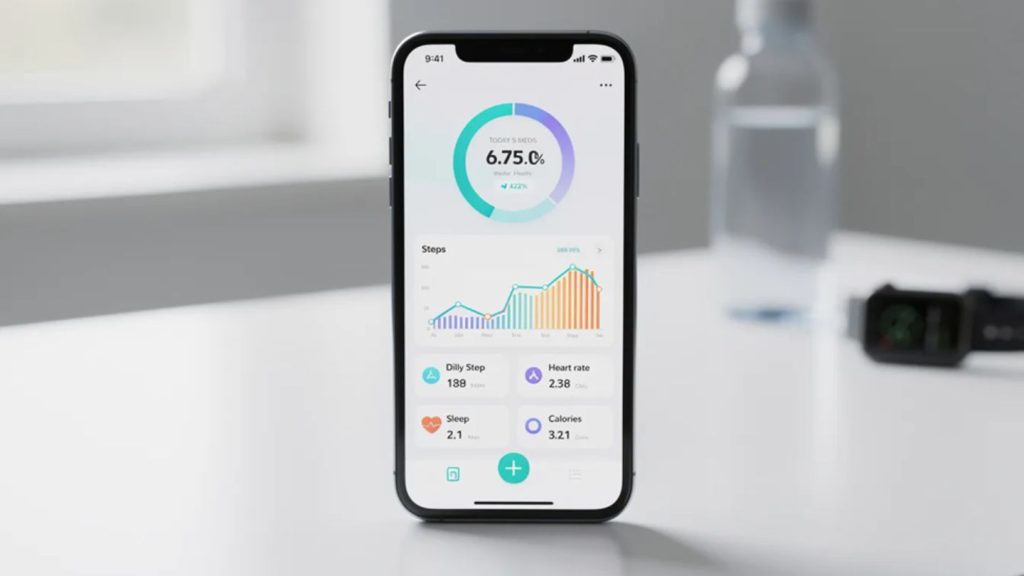
Record emotional states and stress levels to identify patterns affecting eating habits. Understanding your triggers helps you develop more effective coping strategies and prevent emotional eating episodes.
This type of monitoring can reveal connections between life events, stress levels, and eating behaviors that might not be obvious otherwise. Armed with this awareness, you can proactively manage challenging periods more effectively.
Lifestyle Habits: How can Daily Routine Help After Gastric Sleeve
Creating a lifestyle that naturally supports weight maintenance involves building habits that become automatic over time. These broader lifestyle changes create an environment where healthy choices become the easy choices. Daily lifestyle structure matters because lasting results after gastric sleeve surgery come from repeatable routines, not short bursts of motivation.
Commit to Daily Health Priorities
Commit to viewing each day as an opportunity to prioritize health and well-being rather than focusing solely on weight loss. This mindset shift helps maintain motivation even during periods when the scale doesn’t move as expected.
Developing a daily routine that incorporates healthy habits makes them more automatic over time. When nutritious eating, regular exercise, and self-care become routine, they require less conscious effort to maintain.
Establish Consistent Sleep Patterns
Establish consistent sleep schedules, as poor sleep affects hunger hormones and weight maintenance. Adequate sleep supports the hormonal balance that helps regulate appetite and makes it easier to make healthy food choices throughout the day.
Most adults need 7-9 hours of quality sleep per night. Creating a bedtime routine, limiting screen time before bed, and maintaining consistent sleep and wake times support both weight maintenance and overall health.
Read more: Optimal Sleeping Tips: How to Sleep After Gastric Sleeve Surgery
Plan and Prepare for Success
Plan meals and snacks in advance to avoid impulsive food choices that might undermine your goals. Meal planning and preparation create a structure that supports consistent, healthy eating patterns.
Create environments that support healthy choices by removing tempting processed foods from your home and stocking nutritious options. Making healthy choices easier and less convenient choices harder supports long-term success.
Practice Mindful Eating
Practice mindful eating by chewing thoroughly and eating slowly over 30 minutes. This approach helps you recognize satiety signals and prevents overeating that could stretch your stomach over time.
Mindful eating also enhances the enjoyment and satisfaction you get from meals, which can reduce the urge to seek satisfaction through additional food or snacking throughout the day.
Manage Alcohol Consumption
Limit alcohol consumption or avoid it completely, consulting your bariatric team first about what’s appropriate for your situation. Alcohol provides empty calories and can lower inhibitions around food choices, potentially undermining your maintenance efforts.
Some patients find that alcohol affects them differently after surgery, with increased sensitivity and faster absorption. Understanding these changes helps you make informed decisions about whether and how much alcohol fits into your maintenance plan.
Read more: Drinking Alcohol After Gastric Sleeve & Other Bariatric Surgery: Can You Do It?
Your Next Step Toward Lasting Success
Daily habits are what turn gastric sleeve surgery from a powerful procedure into a lifelong win. When you stay consistent with protein-first meals, hydration, movement, supplements, mindful eating, and regular follow-ups, you protect your results long after the “honeymoon phase” ends. The small choices you repeat each day keep your metabolism supported, your nutrition on track, and your mindset strong, so weight maintenance feels sustainable instead of stressful.
At the Lenox Hill Bariatric Surgery Program, we’re built for exactly this kind of long-term success. Our team is known for experienced, individualized bariatric care, including advanced approaches and ongoing guidance for life after surgery. If you’re considering a gastric sleeve in NYC or need help maintaining results after one, reach out to us to explore the safest, most effective path for your goals. Along with sleeve support, we also offer a full range of options like gastric bypass, adjustable gastric banding, SIPS procedure, duodenal switch, and endoscopic sleeve, so you can choose a plan that truly fits your body and future.
Frequently Asked Questions
How soon after gastric sleeve surgery should I establish daily habits?
Begin establishing healthy daily habits immediately after surgery, starting with liquid diet protocols and gradually advancing to solid foods over 6-8 weeks. Exercise habits can begin with short 5-minute walks within the first week, progressively increasing as recovery allows. Your bariatric surgery team will provide specific timelines based on your individual healing progress, but building these habits early creates the foundation for long-term success.
What should I do if my daily habits aren’t preventing weight regain?
Contact your bariatric surgery team immediately if you notice consistent weight gain despite following your daily habits. They may recommend adjusting your diet plan, adding weight loss medications like Semaglutide or Liraglutide, or exploring other interventions before weight regain becomes significant. Early intervention is crucial, as smaller regains are typically easier to address than larger ones. Your team might also evaluate for potential complications or recommend additional support services like counseling or nutrition coaching.
How do I maintain daily habits during busy work schedules or travel?
Plan portable protein-rich snacks, pack supplements in weekly pill organizers, schedule short 10-15 minute exercise sessions, and research restaurant options in advance. Many patients find success with meal prep on weekends and using fitness apps for quick home workouts during busy periods. Building flexibility into your routine while maintaining core habits like protein intake and supplement timing helps you stay consistent even when life gets hectic.
Are there specific daily habits that prevent the stomach from stretching after sleeve surgery?
Focus on eating slowly over 30 minutes, stopping before feeling completely full, avoiding carbonated beverages, and maintaining small portion sizes (1/3 to 1/2 cup per meal). Avoid grazing or constant snacking throughout the day, which can gradually stretch the stomach pouch. Practicing mindful eating and paying attention to your body’s satiety signals helps preserve the restriction benefits of your surgery over time.
How long do I need to maintain these intensive daily habits after gastric sleeve surgery?
These daily habits should become permanent lifestyle changes rather than temporary measures. While the initial post-surgery period requires stricter adherence, maintaining core habits like protein focus, regular exercise, supplement intake, and portion control is essential for lifelong weight maintenance and health. Many successful patients find that these habits become more natural and automatic over time, requiring less conscious effort while remaining just as important for long-term success.