

What Tests Are Done Before Bariatric Surgery?
Preparing for bariatric surgery is one of the most transformative steps toward lasting weight loss and improved health. Before surgery, your care team will require several pre-operative tests to make sure your body is ready for the procedure and recovery. Whether you’re planning a gastric bypass or VSG (Vertical Sleeve Gastrectomy), these tests ensure your safety, uncover any hidden medical conditions, and help personalize your surgical plan for the best outcome. Let’s take a closer look at what tests are done before bariatric surgery, why they’re important, and how you can prepare for them.
Why Pre-Operative Testing Matters
Before any weight loss procedure, it’s crucial for your surgeon to understand how your body will respond to anesthesia and surgery. These VSG tests and other pre-operative evaluations identify potential risks, such as vitamin deficiencies, heart or lung problems, or metabolic conditions that could affect your recovery.
Simply put, these tests ensure that your surgery is safe, effective, and tailored to your health needs.
Common Tests Done Before Bariatric Surgery
Every patient’s testing process may vary slightly depending on their medical history and the type of surgery they’re having. However, most bariatric programs include a standard group of physical, lab, and psychological tests to evaluate overall health and readiness. And if you’re considering weight loss surgery in New York City, reach out to our clinic today. We offer a variety of bariatric procedures that can help you maintain your ideal figure and long-term health.
1. Physical Exam & Medical History Review
The first step before any bariatric surgery is a complete physical exam. Your surgeon will evaluate your body mass index (BMI), discuss your medical history, and check for conditions such as diabetes, hypertension, or thyroid disorders. During this stage, your care team also determines whether you qualify for a bariatric procedure based on your medical background and BMI.
This exam gives your care team a baseline understanding of your health and helps determine which additional VSG tests or screenings you may need.
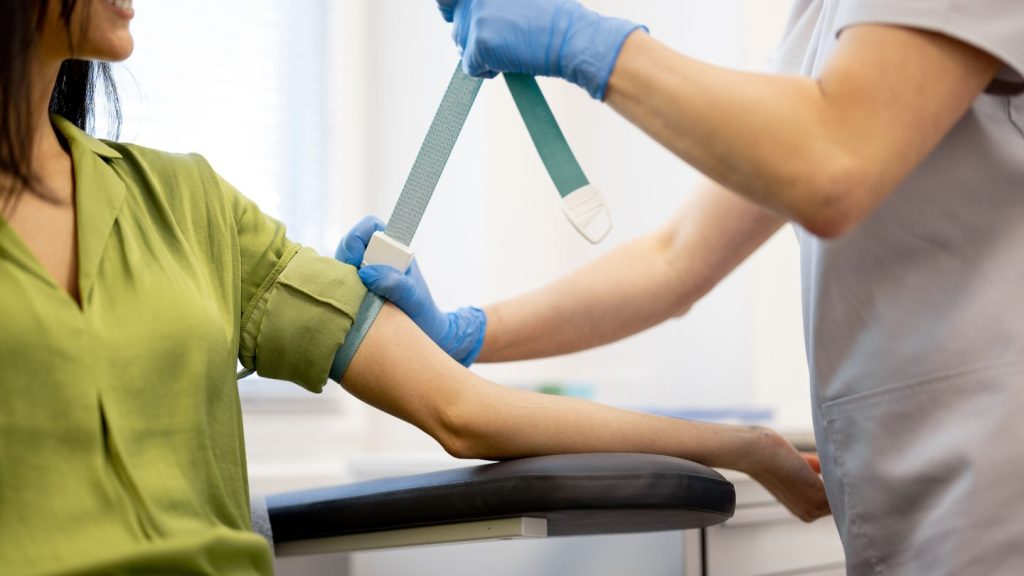
2. Blood Tests
Blood tests are among the most essential VSG lab tests before surgery. They reveal key information about your internal health and nutrient balance. Common VSG blood tests include:
- Complete Blood Count (CBC): Screens for anemia or infection.
- Comprehensive Metabolic Panel: Checks kidney and liver function.
- Thyroid Function Tests: Identifies hormonal issues that can affect metabolism.
- Vitamin & Nutrient Levels: Measures iron, B12, calcium, and vitamin D levels.
- Glucose & Lipid Panels: Evaluates cholesterol and blood sugar control.
These tests help ensure your body can heal properly after surgery and reduce the risk of complications.
3. Urine Test Before Bariatric Surgery

Patients often ask, “Why do I need a urine test before gastric bypass surgery?”
A urine test provides valuable insights into kidney function, hydration status, and the presence of any infections. It can also detect traces of nicotine or substances that might interfere with anesthesia or healing.
This test may seem simple, but it’s a key step in ensuring your bariatric surgery is performed safely and successfully.
4. Drug Test Before Bariatric Surgery
Some hospitals or programs require a drug test before bariatric surgery to ensure that you’re free from substances that could pose a risk during anesthesia or recovery.
If the test detects nicotine, alcohol, or recreational drugs, your surgery might be postponed until you can demonstrate a drug-free period.
Staying substance-free before surgery helps protect your healing process and lowers your risk of surgical complications.
5. Imaging & Diagnostic Tests
Depending on your surgeon’s recommendations, imaging and diagnostic testing may be part of your VSG test process. Common tests include:
- Ultrasound: Checks for gallstones or fatty liver disease.
- Barium Swallow (Upper GI Series): Evaluates your esophagus and stomach shape.
- Electrocardiogram (EKG): Monitors your heart rhythm and overall cardiac health.
These imaging tests help your surgeon anticipate any challenges during surgery and plan accordingly for a safer procedure.
6. Sleep Study for Sleep Apnea
If you snore heavily, wake up tired, or experience daytime fatigue, your doctor may order a sleep study before bariatric surgery.
This test detects obstructive sleep apnea (OSA),a condition that can increase anesthesia risks and affect post-op recovery.
If sleep apnea is diagnosed, you’ll likely receive a CPAP device to ensure safe breathing during and after surgery.
7. Cardiac and Pulmonary Function Tests
If you have a history of heart or lung disease, your provider may request specialized testing before approving you for surgery, such as:
- Cardiac Stress Test: Evaluates how your heart responds to exertion.
- Pulmonary Function Test (PFT): Measures how well your lungs move air and oxygen.
These tests are essential for patients undergoing VSG or gastric bypass who have cardiovascular or respiratory conditions.
8. Psychiatric Evaluation
Undergoing bariatric surgery is not just a physical journey; it’s an emotional one, too. A psychiatric evaluation ensures you’re mentally prepared for the lifestyle changes that follow weight loss surgery. For patients still deciding between surgical and non-surgical approaches, it can help to compare weight-loss surgery and weight-loss medication options to find what aligns best with your goals and lifestyle. This test helps identify emotional or behavioral factors that might affect your success, such as eating patterns, stress coping mechanisms, or body image concerns.
Far from being a judgmental test, this evaluation supports your overall well-being and long-term success after surgery.
Other or Specialized Pre-Operative Tests
Your surgeon may also recommend other tests depending on your individual health. These can include:
- Endoscopy or Colonoscopy (to check for ulcers, bleeding, or other digestive issues)
- Hormone and Fertility Tests
- Liver Function Tests (especially if you have fatty liver or hepatitis)
- Diabetes Management Panels (for glucose and insulin resistance)
These specialized tests ensure that every health factor is considered before proceeding with your VSG or gastric bypass surgery. If you’re exploring different weight loss procedures, such as Lap Band or sleeve gastrectomy, understanding who may be eligible for Lap Band surgery can help you determine which bariatric option best fits your health goals and surgical needs.
How to Prepare for Your Pre-Operative Testing
To make the testing process smoother and more efficient:
- Follow fasting instructions before blood or imaging tests.
- Bring all medications and supplements you take to each appointment.
- Avoid alcohol, nicotine, or drugs before and during your pre-op period.
- Ask your provider about insurance coverage for pre-op testing.
- Plan ahead for scheduling; some tests, such as a sleep study, may take extra time.
Preparing properly helps prevent delays and ensures accurate test results.
Get Ready for a Safe, Successful Bariatric Journey
Completing your pre-operative tests is the first step toward a healthier, more confident life. These bariatric and VSG lab tests help your care team design a personalized, safe, and effective plan, setting you up for long-term success. A gastric sleeve in NYC can help you slim down to the figure you’ve always dreamed of.
For expert guidance and compassionate care, trust the Lenox Hill Bariatric Surgery Program. Our specialists provide comprehensive pre-op evaluations, personalized surgical plans, and dedicated post-op support to help you achieve your weight loss goals safely and confidently.
FAQs About Bariatric Surgery Testing
What tests are done before VSG?
Before VSG, you’ll typically undergo blood tests, urine analysis, an EKG, a sleep study, and a psychiatric evaluation to ensure your body is ready for surgery.
What is the purpose of a VSG test?
A VSG test helps your surgical team evaluate your readiness for anesthesia, detect hidden health concerns, and reduce surgical risks.
Do I need a drug test before bariatric surgery?
Yes, many programs include a drug test to ensure safe anesthesia and healing.
Why is a urine test done before gastric bypass surgery?
It checks kidney function and screens for infections or substances that could interfere with surgery.
How long does pre-op testing take?
The testing process typically takes one to three weeks, depending on how quickly appointments are scheduled and results are processed.
Can I “fail” a pre-operative test?
No one fails pre-op testing. If something abnormal appears, your care team will treat or manage it before surgery to ensure the best possible outcome.