Living life as an obese person comes with its fair share of challenges. There are many ways to address your weight, such as improving your diet, exercise, and lifestyle routines.
However, lap band surgery is an incredibly safe and effective operation that you can consider as well. At Lenox Hill Hospital, our lap band surgeons have expertise in helping you lower your BMI, blood pressure, diabetes, and other health problems.
At the same time, you can enjoy a new, slimmer version of yourself every time you look in the mirror. That being said, let’s talk about what kind of diet you should expect after a lap band surgery.
What Is Lap Band Surgery?
Lap band surgery is also called adjustable gastric banding. This procedure is minimally invasive and helps you lose weight. Of course, bariatric surgeries have several additional benefits. One of the main benefits of lap band surgery is that it is completely reversible.
In fact, no big incisions or permanent body modifications to your digestive tract are necessary.
Here’s How Lap Band Surgery Works
Using an FDA-approved adjustable medical device, the surgeon will make your pouch. Essentially, it causes you to consume less food.
By combining lap bands with the right diet, you can achieve both rapid and sustainable weight loss. That being said, let’s talk about what kind of diet you should have after your lap band surgery.
Diet After Lap Band Surgery
Once you’ve undergone lap band surgery in NYC, you’ll begin the recovery process and your lap band post op diet. For the first couple of days during your recovery, the best foods to eat with lap band recovery are clear liquids only.
As you ramp up back to a normal diet, you’ll be able to drink additional liquids and pureed foods. So, don’t worry, eating after lap band surgery is possible sooner than you might think.
Some of the foods you’ll be able to consume during the recovery are protein shakes in order to get the right amount of macronutrients throughout your day. Once a few weeks have passed, your surgeon will be able to help you reintroduce foods to your diet again.
You’ll want to stay in close communication with your doctor.
Scrambled eggs, meats, mashed potatoes, and other soft foods can be reintroduced again. Then, gradually, you can reintroduce harder foods like lean meats, vegetables, or beans.
Restrictions After Lap Band Surgery
There are some diet restrictions to keep in mind. As mentioned, you’ll go on a fully liquid diet in the first couple of days or weeks. After this, you’ll want to keep portion sizes very small. Also limit sugar, fat, and carbohydrates.
These will contribute to extra acid, but they’ll also work against your weight loss goals. Long term after your lap band surgery, you should stick to lean meats, vegetables, and legumes.
Ensure you’re drinking plenty of water to stay hydrated. Also integrate fiber into your diet to aid with digestion since your intestines will function somewhat differently.
Digestive issues like gas are a frustrating reality for many bariatric surgery patients. While weight loss is the primary goal, side effects like bloating, flatulence, and abdominal pressure can significantly impact daily comfort. Fortunately, there are proven ways to manage and even eliminate post-surgical gas issues, whether they appear immediately after surgery or years down the line.
This blog explores the causes of gas after bariatric surgery, what to watch for, and effective strategies to regain comfort and control.
Why Gas Happens After Bariatric Surgery
Gastric bypass and sleeve gastrectomy procedures dramatically change how your digestive system processes food. After these surgeries, many patients report experiencing gas after gastric bypass, including bloating, foul odor, and abdominal pressure. These symptoms may result from changes in gut bacteria, faster digestion, or food intolerance.
Some individuals experience excessive gas years after gastric bypass, indicating that post-op symptoms don’t always resolve with time. Factors such as diet, gut flora, and medication all influence how gas behaves in the long term.
Introducing solid food after gastric sleeve surgery too soon can strain the healing stomach and trigger discomfort or complications. Following the recommended diet phases, liquids, purees, soft foods, and finally solids, protects recovery and supports long-term success.
Common Triggers for Gas After Surgery
Gas after bariatric surgery is typically caused by a combination of food intake and digestive changes.
Dietary Offenders
Foods high in sulfur (like broccoli, cabbage, and eggs)
Sugar alcohols (found in sugar-free gum or candy)
Dairy products (if lactose intolerance develops)
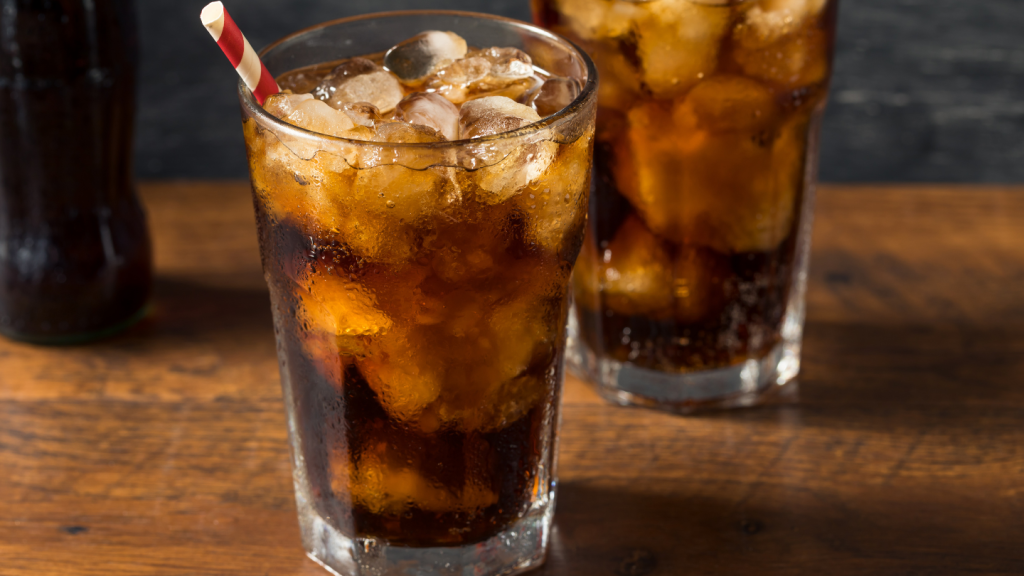
Carbonated beverages, which introduce air into the stomach
These contribute to flatulence after gastric bypass and may also trigger discomfort in sleeve patients.
Certain foods to avoid after bariatric surgery are best left off the menu to reduce irritation and promote steady healing. High-fat fried dishes, sugary treats, and raw fibrous vegetables are particularly difficult to digest.
Swallowing excess air during meals or eating too quickly can worsen bloating. Even healthy foods can create trapped gas after a gastric bypass if not properly chewed and digested.
Symptoms That Need Attention
Not all gas is routine. If you’re experiencing persistent discomfort, it’s important to rule out more serious complications.
Smelly gas after gastric bypass may indicate food malabsorption or gut bacterial imbalance
Gas accompanied by bloating, cramping, or sharp pain could point to an obstruction
If flatulence is combined with diarrhea or nausea, check in with your bariatric care team
Learning how to relieve gas pain after a gastric sleeve or bypass is key to long-term recovery and comfort. Consistently eating past fullness after gastric sleeve surgery can lead to risks of overeating after gastric sleeve surgery, gradually stretching the stomach pouch and undermining weight-loss goals.
Ulcers after gastric bypass surgery often develop from excess stomach acid, irritation caused by certain foods or drinks, the use of pain relievers like NSAIDs, or infection with H. pylori. Effective treatment combines acid-reducing medication with dietary adjustments and the elimination of triggers such as smoking, helping patients protect their digestive health long-term. Addressing these risks is important when persistent gas is paired with pain or bleeding.
How To Get Rid Of Gas After Gastric Bypass
Fortunately, relief is possible with the right approach. Here are several proven strategies:
1. Adjust Your Diet
Avoid known gas-forming foods, especially those that include sugar alcohols or high fiber content. Keep a food journal to track your body’s responses. The key to how to prevent gas after gastric bypass often lies in what (and how) you eat.
2. Eat Slower and Chew Thoroughly
Rushed meals introduce air into your digestive system. Slowing down your eating pace reduces air swallowing, making it easier for your body to process food without bloating.
3. Use Targeted Supplements
Some patients find relief through:
Simethicone (Gas-X) for short-term relief
Probiotics to rebalance gut bacteria
Digestive enzymes, if recommended by a provider
Always consult your bariatric team before starting supplements, especially if you’re dealing with excessive gas after gastric bypass.
Physical Techniques to Relieve Pressure
Daily movement and light activity go a long way in helping your digestive system work efficiently. Walking after meals, yoga stretches, and even simple breathing exercises can ease the discomfort of trapped gas after gastric bypass.
Many patients also benefit from lying on their left side or using heat packs to ease abdominal pressure.
It’s one thing to manage gas at home, but public situations are another challenge.
Planning Ahead
Avoid known trigger foods before social gatherings. Keep simethicone on hand for emergencies and wear odor-neutralizing undergarments if needed.
Mental Strategies
Embarrassment is common, but shouldn’t keep you isolated. Learning how to get rid of gas after gastric bypass includes building confidence and having quick, calm responses ready if a situation arises.
When to Seek Medical Support
If lifestyle changes aren’t enough, it’s time to speak with a bariatric professional.
Persistent pain
Offensive or extreme odor
Inability to pass gas or stool
Frequent gas after bariatric surgery disrupts daily life
Your surgeon or dietitian can assess for malabsorption, SIBO (small intestinal bacterial overgrowth), or nutrient deficiencies that may be contributing to symptoms.
Final Thoughts
Gas is a frustrating but manageable part of life after bariatric surgery. Whether you’re dealing with smelly gas after gastric bypass, pressure after meals, or discomfort during social outings, solutions are available. Diet changes, mindful eating, targeted supplements, and physical activity all contribute to reducing symptoms and restoring comfort.
For ongoing support, individualized dietary planning, and help understanding your unique symptoms, the team at Lenox Hill Bariatric Surgery Program provides expert, long-term care. Their specialists guide patients through every stage of recovery, offering practical solutions to manage gas and other post-surgical concerns. With professional support and evidence-based strategies, patients seeking services for a gastric sleeve in New York can feel confident knowing relief and lasting digestive wellness are within reach. In addition, we also specialize in lap band surgery, duodenal switch surgery, and gastric bypass surgery in NYC. To learn more about which option best fits your health goals, contact us today.
After losing weight, many people consider bariatric surgeries. Two common types of bariatric surgery are gastric sleeve and gastric bypass. That being said, there are some similarities and differences that you should know about.
So keep reading this post. We’ll explore gastric sleeve vs gastric bypass and their differences. Keep in mind, you should always consult with a surgeon before considering any weight loss procedure. But this basic understanding will help you know your options.
Before getting into the difference between gastric sleeve and gastric bypass, let’s talk about bariatric surgery. After all, the sleeve vs bypass depends on some basic understanding.
Essentially, bariatric surgery just means weight loss surgery. When someone has obesity, it can cause issues with their health. This includes hypertension, diabetes, and more. Therefore, bariatric surgery is any kind of surgery that helps you reduce your overall weight and fat content.
What Is Gastric Sleeve Surgery?
When looking at gastric sleeve surgery vs bypass, it’s important to know that gastric sleeve surgery is incredibly effective, just as a bypass is. Gastric sleeve surgery is also sometimes referred to as laparoscopic sleeve gastrectomy.
During a gastric sleeve surgery, around 80% of your stomach is removed via surgery. This causes your stomach to produce less of the hunger hormone called ghrelin. Your new stomach will be shaped like a banana and be significantly smaller.
So while you’ll have less hunger, you’ll also be able to consume less food physically. This combination allows you to drop weight faster than before. It can help you keep your blood sugar under control as well.
What Is Gastric Bypass Surgery?
As the second part of the sleeve gastrectomy vs gastric bypass comparison, let’s look at the bypass.
Gastric bypass surgery is also sometimes called the golden standard of weight loss surgery. Depending on your needs, it may be the best operation for you in order to lose weight safely. During this operation, the surgeon will staple your stomach and create a smaller pouch while blocking off a lower portion of your existing stomach pouch.
From here, part of your intestine is connected to your small upper pouch. After the middle section of the small intestine is newly connected, food and liquid will bypass your existing stomach.
You will absorb fewer calories because the food will also bypass the first section of your small intestine. Along with feeling less hungry, the effect of absorbing fewer calories will lead to better weight loss and overall health.
What’s The Difference Between Gastric Bypass And Gastric Sleeve?
Choosing the right procedure is key. And when it comes to what is the difference between gastric bypass and gastric sleeve, there are a few important factors to keep in mind.
A major difference between bypass and sleeve is the amount of your stomach that is removed.
Whereas gastric sleeve surgery is fairly straightforward, gastric bypass requires additional steps. Again, the surgeon must connect part of the intestine to the upper stomach pouch.
For this reason, gastric bypass can also come with additional side effects. Still, gastric bypass can often provide longer-lasting weight loss results and better control of blood sugar.
Understanding which operation is best for you requires a consultation with a qualified medical expert.
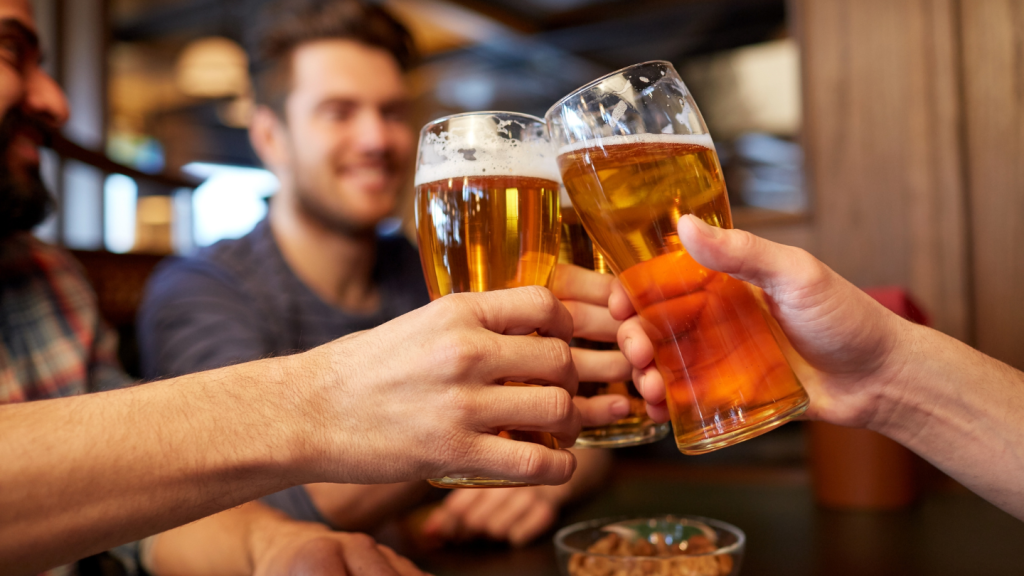
For many patients, the road to better health through bariatric surgery is filled with major milestones, one of the most misunderstood being alcohol consumption. As the body transforms following procedures like the gastric sleeve or gastric bypass, so does the way it reacts to substances like alcohol. The common question, when can I drink alcohol after gastric sleeve?, doesn’t have a one-size-fits-all answer. But what is certain: drinking after bariatric surgery is no longer business as usual.
Whether you’re a few weeks post-op or approaching the one-year mark, understanding when and how to safely reintroduce alcohol is crucial. Let’s explore what you need to know.
How Alcohol Impacts You Differently After Bariatric Surgery
Alcohol metabolism changes dramatically after bariatric procedures, particularly the gastric sleeve. The surgery reduces your stomach’s size and alters digestion, meaning alcohol passes into your bloodstream faster and more intensely. Patients often report feeling the effects of one drink as if they’ve had three, an alarming shift for anyone used to social or occasional drinking.
This is also why asking how long after gastric sleeve can you drink alcohol isn’t just about healing timelines, it’s about whether your body is physically ready to handle alcohol at all. Your new anatomy no longer processes alcohol like it used to. This puts you at greater risk for overconsumption, dehydration, and in some cases, alcohol dependency.
Drinking alcohol after bariatric surgery demands caution because the body absorbs alcohol faster, increasing the risk of discomfort, nutrient issues, and long-term dependency.
When Can You Safely Start Drinking Alcohol Again?
Most surgeons recommend waiting at least 6 to 12 months after surgery before considering alcohol. That may sound extreme, but this guideline exists for a reason: your body is going through a complex period of metabolic adaptation and internal healing.
The first year after bariatric surgery focuses on phased eating plans, hydration, and vitamin support, helping patients adapt physically and emotionally while maintaining steady weight loss.
Still, plenty of people start searching when can you drink alcohol after gastric sleeve or how long after a gastric sleeve can you drink alcohol just weeks into recovery. And some even experiment with drinking alcohol 3 weeks after a gastric sleeve, thinking a few sips won’t hurt. This is where complications start.
Drinking too soon can:
Irritate your healing stomach lining
Interfere with nutrient absorption
Trigger dumping syndrome
Leads to addiction due to altered alcohol tolerance
So if you’re wondering, alcohol 1 month after gastric sleeve, is it safe?, the answer is a hard no. One month in, your body is still adjusting, and even mild alcohol exposure can undo progress or cause severe side effects.
What Happens If You Drink Too Early?
Let’s say someone ignores medical advice and indulges anyway. What happens?
First, they’re likely to feel alcohol’s effects much more quickly. Even half a drink can bring on symptoms like dizziness, nausea, or vomiting. The stomach, now smaller and more sensitive, absorbs alcohol rapidly, sending it into the bloodstream with minimal buffering. As a result, patients become intoxicated faster, and crash harder.
This reaction can create a false sense of tolerance: I only had one drink, and I feel fine.But it’s deceptive. Your blood alcohol level may be higher than it feels, impairing your judgment and potentially leading to dangerous situations. This risk is especially high during the early post-op period.
Understanding the Long-Term Risks
While many people focus on how long after bariatric surgery can you drink alcohol, it’s equally important to ask what happens long term. Studies show that post-bariatric patients may be more prone to developing alcohol use disorder. There’s a physiological basis for this. The surgery not only changes how alcohol is absorbed, but also how the brain responds to it.
You may find yourself craving alcohol more often or drinking more than intended. This is why bariatric professionals encourage patients to treat alcohol as a long-term lifestyle consideration, not just something to resume once the waiting period ends.
Knowing the foods to avoid after bariatric surgery, such as sugary drinks, high-fat meals, and dry or tough foods, protects digestive health and supports lasting weight management.
Best Practices If You Choose to Drink Later On
Once you get the green light from your medical team and you’re several months (preferably a year) post-op, it’s possible to enjoy a drink occasionally. But strategy is everything.
Here’s how to do it safely:
Eat beforehand to slow alcohol absorption
Avoid sugary or high-carb cocktails that can trigger dumping syndrome
Stay away from carbonated mixers which expand in the stomach and cause bloating
Sip slowly, don’t down drinks like before surgery
Avoid alcohol on an empty stomach, as it hits harder than ever
The question isn’t just how long after gastric sleeve can I drink alcohol, but rather how can I drink responsibly without compromising my results?
The Problem With Carbonated Drinks and Alcohol Mixers
Some patients might assume switching to hard seltzers or bubbly wine makes things easier, but carbonation brings its own set of problems. After gastric sleeve surgery, carbonated drinks can stretch your stomach pouch, cause gas pain, and make you feel uncomfortably full, or worse, nauseated.
Many surgeons recommend steering clear of carbonation entirely. If you’re set on having a cocktail, stick to flat mixers like diluted juice or water-based infusions. The less stress you put on your digestive system, the better your chances of avoiding complications.
The decision to resume alcohol isn’t as simple as flipping a switch once you hit the six-month mark. It’s about weighing the risks, listening to your body, and being honest with yourself about why you want to drink. Not everyone can return to alcohol safely, and that’s okay.
If you’re still asking how long after gastric sleeve can you drink alcohol or when can you drink after gastric sleeve, it’s time to speak with a bariatric care team that understands your full journey, not just the surgery itself. The Lenox Hill Bariatric Surgery Program, a leading provider of gastric sleeve in New York care, offers comprehensive post-operative support, helping patients navigate long-term lifestyle decisions, including whether and how to reintroduce alcohol. Our multidisciplinary team guides each step of recovery, ensuring your choices align with your health goals. In addition, we offer a full spectrum of weight loss surgery in NY, including lap band surgery, endoscopic sleeve gastroplasty, and more, to support your journey toward better health. Contact us today to begin your personalized path to recovery.