...
Skip to main content
186 East 76th St First Floor, NY 10021

Author: jefftormey

Menstrual Changes After Gastric Sleeve Surgery

If you’ve noticed changes in your menstrual cycle after gastric sleeve surgery, you’re not alone. These alterations are a common and typically temporary part of your body’s remarkable transformation journey. Understanding why these menstrual changes occur and what to expect can provide peace of mind during your recovery and help you navigate this important aspect of your overall reproductive health.

Gastric sleeve surgery creates profound shifts in your body’s hormonal landscape, particularly as you experience significant weight loss. Your menstrual cycle, being closely tied to hormonal balance, naturally responds to these changes. While this can feel concerning, especially when dealing with irregular periods or other associated symptoms, most women find that their cycles stabilize and often improve compared to their pre-surgery patterns.

Key Takeaways

  • Approximately 70% of women experience some form of menstrual changes after sleeve surgery, primarily due to rapid weight loss and hormonal fluctuations
  • Most menstrual irregularities are temporary and typically stabilize within 6-12 months as your body adjusts to its new weight and hormonal balance
  • Women with polycystic ovary syndrome often see significant improvements in cycle regularity and fertility following sleeve surgery
  • Common changes include heavier bleeding, irregular timing, altered cycle length, and increased cramping during the initial post-surgery period
  • While most changes are normal, seek medical advice for extremely heavy bleeding, severe pain, or persistent irregularities beyond one year

Understanding Post-Surgery Menstrual Changes

When you undergo bariatric surgery, particularly gastric sleeve surgery, your body embarks on a complex process of adaptation. Research shows that approximately 70% of women experience some type of menstrual cycle changes following their procedure. This high percentage reflects the intimate connection between weight, hormones, and reproductive function.

These post-surgery menstrual changes typically begin within the first 2-3 months after your operation, coinciding with the period of most rapid weight loss. During this time, your body is working hard to adjust to its new reality – processing fewer calories, adapting to hormonal shifts, and healing from the surgical procedure itself.

It’s crucial to understand that experiencing menstrual changes doesn’t indicate that something has gone wrong. Rather, these alterations are often a sign that your body is responding positively to the metabolic improvements brought about by your weight loss surgery. Many women who struggled with irregular menstrual cycles before surgery find that their reproductive health actually improves significantly in the long term.

The timeline for these changes varies among individuals, but most women notice that their menstrual patterns begin to stabilize between 6 and 12 months post-surgery. Factors that can influence this timeline include your age, pre-surgery menstrual history, the rate of your weight loss, and any underlying conditions such as polycystic ovary syndrome.

Why Gastric Sleeve Surgery Affects Your Menstrual Cycle

Understanding the mechanisms behind how bariatric surgery affects your menstrual cycle can help demystify the changes you’re experiencing. The relationship between weight, hormones, and reproductive function is complex and multifaceted.

Hormonal fluctuations occur as your fat tissue decreases. Adipose tissue, or fat tissue, plays a crucial role in hormone production, particularly estrogen. As you lose weight rapidly after sleeve surgery, your estrogen levels fluctuate, directly impacting your menstrual cycle. This reduction in fat tissue means less peripheral conversion of hormones, which can temporarily disrupt the delicate balance your reproductive system relies on.

Improved insulin sensitivity represents another significant factor in menstrual cycle changes. Many women who undergo weight loss surgery previously struggled with insulin resistance, a condition that can severely disrupt reproductive-related hormones. As your insulin sensitivity improves post-surgery, your body’s production of androgens decreases, and your overall hormonal balance becomes more stable.

The surgical stress itself also contributes to temporary hormonal adjustments. Your body perceives surgery as a significant stressor, triggering cortisol release and potentially suppressing normal reproductive hormone patterns temporarily. Additionally, the nutritional changes that occur post-surgery – including reduced caloric intake and potential vitamin deficiencies – can influence hormone regulation.

Rapid weight loss specifically affects the hypothalamic-pituitary-ovarian axis, the complex communication system that controls your menstrual cycle. When your body loses weight quickly, this system may temporarily slow down or become irregular as it adapts to your new metabolic state.

Common Types of Menstrual Changes

The spectrum of menstrual changes that can occur post-surgery varies widely among women. Understanding these different patterns can help you recognize what’s normal and when to seek additional medical support.

Heavier or prolonged bleeding affects approximately 8% of women after gastric sleeve surgery. This increase in menstrual flow can be particularly challenging if you’re already dealing with anemia, which affects about 30% of women undergoing bariatric procedures. The combination of heavier bleeding and existing iron deficiency can lead to increased fatigue and other associated symptoms.

Irregular cycle timing is perhaps the most common change women experience. Your cycles may become unpredictable – arriving earlier or later than expected, or sometimes being skipped entirely. This irregularity typically reflects your body’s adjustment to new hormone levels and usually stabilizes over time.

Changes in cycle length can manifest as either shorter or longer cycles than you experienced before surgery. Research indicates that about 17% of women notice decreased cycle length, while 10% experience longer cycles. These changes often correlate with your body’s new hormonal patterns and typically normalize as your weight stabilizes.

Increased menstrual cramping and PMS symptoms affect approximately 18% of women post-surgery. Interestingly, some women who previously had relatively pain-free periods may experience more discomfort, while others who struggled with severe cramping may find relief. This variation often relates to whether you’re transitioning from anovulatory to ovulatory cycles.

Spotting between periods can occur during the adjustment phase. While this can be concerning, it typically represents hormonal fluctuations rather than a serious medical issue. However, persistent spotting should be evaluated by your healthcare provider.

Timeline: What to Expect Month by Month

First 3 Months Post-Surgery

During this initial period, you’ll likely experience the most dramatic hormonal fluctuations and cycle irregularities. Your body is working intensively to adapt to rapid weight loss, reduced caloric intake, and the surgical stress response. Many women report missed periods or extremely heavy bleeding during this time.

This is when tracking your menstrual patterns becomes particularly valuable. Note any changes in flow, timing, pain levels, and other associated symptoms. Remember that dramatic changes during this period are typically temporary and part of your body’s natural adjustment process. Some of the bloating or pelvic heaviness people feel early on isn’t only menstrual — how to get rid of trapped post-op gas and digestive shifts can intensify abdominal pressure and cramp-like sensations. Simple movement, hydration, and meal pacing often help relieve that discomfort.

Nutritional focus during these early months is crucial for supporting your overall recovery, including your reproductive health. Ensure you’re following your post-surgery supplement protocol and maintaining adequate nutrition within your reduced caloric intake. The first few weeks can feel unpredictable, so having a recovery routine matters — focusing on sleep, gentle walking, hydration, and patience with your body’s pace can reduce stress and support steadier healing. Small comfort strategies during recovery often make the hormonal transition feel far more manageable.

3-12 Months Post-Surgery

As you progress through this phase, you should begin to see gradual stabilization of your menstrual patterns. While some irregularities may continue, they typically become less dramatic and more predictable. This period often represents the transition phase, where your body is finding its new normal.

Many women notice that their energy levels improve during this time, which can positively impact their menstrual cycle experience. The continued improvement in insulin sensitivity and other metabolic markers also supports more stable reproductive function.

If you have polycystic ovary syndrome, this is often when you’ll begin to see the most significant improvements in cycle regularity. The reduction in insulin resistance and androgen levels typically becomes more pronounced during this timeframe.

Beyond One Year

By this point, most women have achieved significant menstrual recovery and more predictable cycles. Your hormonal balance should have largely adapted to your new weight and metabolic state. If you continue to experience significant irregularities beyond 12-18 months, this may indicate the need for additional medical evaluation.

This is also the timeframe when many women feel confident about family planning decisions, as their reproductive function has typically stabilized. However, always discuss timing with your healthcare team, as individual recovery varies.

PCOS and Gastric Sleeve Surgery Benefits

For women with polycystic ovary syndrome, gastric sleeve surgery often provides remarkable improvements in reproductive health. PCOS affects menstrual cycles through multiple mechanisms, including insulin resistance, elevated androgen levels, and chronic inflammation – all factors that can improve significantly with substantial weight loss.

Mechanisms of improvement in PCOS patients are particularly well-documented. As insulin sensitivity improves following surgery, your ovaries produce fewer androgens, allowing for more normal follicle development and ovulation. Research shows that women with polycystic ovary syndrome PCOS who undergo sleeve surgery experience significant reductions in total testosterone and calculated free testosterone levels within six months.

Specific cycle improvements are often dramatic. Studies indicate that women with PCOS see their menstruation frequency increase from an average of 4.7 cycles per year before surgery to over 10 cycles per year at long-term follow-up. Additionally, about 75-80% of PCOS patients achieve regular cycles within six months of surgery, compared to essentially zero before the procedure.

Enhanced fertility outcomes represent one of the most significant benefits for PCOS patients. Many women who previously required fertility treatments find they can conceive naturally after achieving substantial weight loss through sleeve surgery. However, it’s important to note that this improved fertility means effective contraception becomes crucial if you’re not planning for pregnancy.

Reduced associated symptoms of PCOS, including hirsutism, acne, and metabolic syndrome, often improve alongside menstrual regularity. The comprehensive nature of these improvements reflects the systemic metabolic benefits of significant weight loss in treating the underlying insulin resistance that drives many PCOS symptoms.

Managing Menstrual Health After Surgery

Managing Menstrual Health After Surgery

Proactive management of your reproductive health following obesity surgery supports optimal outcomes and helps you navigate any challenges that arise during your recovery.

Nutritional support forms the foundation of healthy menstrual function post-surgery. Following your prescribed supplement regimen is crucial, particularly ensuring adequate iron, vitamin D, vitamin B12, and folate intake. These nutrients directly support reproductive hormone production and overall menstrual health. Following a week-by-week post-sleeve eating diet helps stabilize hormones while your body adapts, because consistent protein, fluids, and nutrient timing reduce the swings that can throw cycles off. When nutrition is steady, menstrual patterns usually settle faster.

A balanced diet rich in anti-inflammatory foods can also support hormonal balance. Focus on incorporating omega-3 fatty acids, lean proteins, complex carbohydrates, and plenty of colorful vegetables within your post-surgery eating plan.

Cycle tracking becomes invaluable during your recovery period. Whether using a smartphone app or traditional calendar method, documenting your cycle length, flow intensity, pain levels, and other symptoms helps you and your healthcare team identify patterns and potential concerns.

Stress management plays a crucial role in supporting stable menstrual cycles. The hormonal stress response can significantly impact reproductive function, so incorporating stress-reduction techniques like meditation, gentle yoga, or regular walking can support your overall recovery.

Exercise considerations should balance the benefits of physical activity for hormonal health with your post-surgery limitations. As you’re cleared for more activity, regular moderate exercise can help regulate menstrual cycles and support overall well-being. However, excessive exercise during rapid weight loss periods can sometimes worsen menstrual irregularities. Digestion changes can also influence how your cycle feels. Constipation is common after sleeve surgery and can worsen bloating, pelvic pressure, and period discomfort, especially in the rapid-loss phase.

Seek Medical Attention: Can Gastric Sleeve Affect Your Period

While most menstrual symptoms after gastric sleeve surgery are normal and temporary, certain symptoms require prompt medical evaluation to ensure your safety and well-being.

Extremely heavy bleeding warrants immediate attention. If you’re soaking through a pad or tampon every hour for several consecutive hours, or if you experience large blood clots (larger than a quarter), contact your healthcare provider immediately. This level of bleeding can quickly lead to dangerous anemia, especially if you’re already iron-deficient.

Severe bleeding that lasts longer than two weeks represents another red flag requiring evaluation. While some cycle irregularity is expected, prolonged bleeding can indicate hormonal imbalances that need medical management or other underlying conditions requiring treatment.

Signs of severe anemia include extreme fatigue, shortness of breath, dizziness, rapid heartbeat, or pale skin. These symptoms can occur when heavy menstrual bleeding combines with already compromised iron stores, creating a potentially serious medical situation.

Persistent irregular cycles beyond 12-18 months post-surgery may indicate the need for hormonal evaluation or other interventions. While some variation is normal, continued significant irregularity after your weight has stabilized warrants investigation.

Severe pain that interferes with your daily activities or is significantly worse than your pre-surgery experience should be evaluated. While some increase in menstrual cramping can be normal, debilitating pain may indicate other issues requiring treatment.

Nutritional Factors Affecting Menstrual Health

Nutritional Factors Affecting Menstrual Health

The nutritional changes that occur after bariatric procedures can significantly impact your reproductive health, making careful attention to specific nutrients particularly important.

Iron deficiency represents a critical concern, especially when combined with any increase in menstrual bleeding. Iron supports not only red blood cell production but also optimal reproductive function. Working closely with your healthcare team to monitor iron levels and adjust supplementation as needed is essential.

Vitamin D plays a crucial role in hormone regulation and reproductive function. Many women are deficient in vitamin D before surgery, and malabsorption issues post-surgery can exacerbate this deficiency. Adequate vitamin D levels support regular ovulation and overall reproductive health.

B-vitamin complex, particularly B12 and folate, supports proper hormone metabolism and overall reproductive function. These nutrients become particularly important if you’re planning for pregnancy in the future, as they’re crucial for fetal development.

Omega-3 fatty acids can help reduce inflammation and support hormonal balance. Including foods rich in omega-3s or discussing supplementation with your healthcare team can support menstrual health and overall well-being.

Magnesium and zinc also play supportive roles in reproductive hormone regulation. While these are often included in comprehensive multivitamin formulations, discuss with your team whether additional supplementation might benefit your specific situation.

Contraception Considerations After Surgery

The improved fertility that often follows metabolic and bariatric surgery creates important considerations for contraceptive planning, especially during the critical first 12-18 months post-surgery.

Absorption concerns affect hormonal contraceptives, particularly in procedures involving malabsorption. While sleeve surgery primarily restricts intake rather than absorption, the rapid weight loss and potential gastrointestinal changes can still affect how your body processes hormonal birth control.

Timing recommendations suggest avoiding pregnancy for 12-18 months after surgery to allow for weight stabilization and nutritional balance. During this period, reliable contraception becomes particularly important as your fertility may be higher than it was before surgery. Another lifestyle factor to plan carefully is alcohol. After a gastric sleeve, alcohol absorbs faster and can hit harder than before, so even small amounts may affect your hormones, energy, and judgment around food choices.

Alternative contraceptive methods may be recommended during your initial recovery period. Long-acting reversible contraceptives (LARCs) such as IUDs or implants provide reliable pregnancy prevention without concerns about absorption or daily compliance.

The importance of consultation cannot be overstated. Discuss your contraceptive needs with both your bariatric team and gynecologist to ensure you’re using the most appropriate method for your individual situation and recovery timeline.

The reality is that many women who undergo weight loss surgery experience improved fertility relatively quickly, often while they’re still in the rapid weight loss phase. Planning ahead for contraception ensures you can focus on your recovery and weight loss goals without the concern of unplanned pregnancy during this critical period.

Your Next Step Toward Confident, Long-Term Results

Menstrual changes after bariatric surgery can feel unexpected, but in most cases, they’re a normal part of your body recalibrating during rapid weight loss. As hormones shift and metabolism improves, your cycle may be heavier, lighter, earlier, or irregular for a while—then gradually settle into a new, healthier rhythm. The key is staying consistent with your nutrition, supplements, follow-ups, and self-tracking, so you can support recovery and spot anything that needs medical attention. With the right guidance, many women not only stabilize their cycles within months but also see better overall reproductive health and energy as their weight loss progresses.

If you’re considering a gastric sleeve in New York or want expert support managing life after surgery, the Lenox Hill Bariatric Surgery Program is here for you with advanced, patient-first care and procedures tailored to your goals. Our team has deep experience with complex bariatric cases and long-term outcomes, including sleeve-based and metabolic surgeries. When you’re ready, explore the full range of options we offer—duodenal switch, endoscopic sleeve, gastric bypass, gastric sleeve, and SIPS procedure. Reach out to us to talk through your symptoms, your goals, and the safest path forward—so you can feel informed, supported, and fully in control of your next chapter.

Frequently Asked Questions

How long do menstrual irregularities typically last after gastric sleeve surgery?

Most women see their menstrual cycles stabilize within 6-12 months after surgery, though some may experience changes for up to 18 months. The timeline varies based on individual factors like age, pre-surgery menstrual history, rate of weight loss, and overall health status. Women with pre-existing conditions like PCOS often see improvements beginning within 3-6 months, with continued improvement over time.

Can gastric sleeve surgery cause me to stop having periods completely?

Temporary cessation of periods (amenorrhea) can occur in the first few months after surgery due to rapid weight loss and hormonal fluctuations. This typically resolves as your body adjusts to its new weight and hormonal balance. However, complete long-term loss of menstruation is rare in women of childbearing age and should be evaluated by a healthcare provider if it persists beyond 6 months.

Will my fertility improve after gastric sleeve surgery?

Many women experience improved fertility after significant weight loss from gastric sleeve surgery, especially those with PCOS or obesity-related fertility issues. Studies show that women with PCOS see dramatic improvements in ovulation and cycle regularity. However, doctors typically recommend waiting 12-18 months after surgery before attempting pregnancy to ensure nutritional stability and weight stabilization for optimal maternal and fetal health.

Should I adjust my birth control after gastric sleeve surgery?

Yes, you should discuss contraception changes with your healthcare provider. While sleeve surgery doesn’t typically affect absorption as much as bypass procedures, rapid weight loss and altered body composition may still impact the effectiveness of some hormonal birth control methods. Your doctor may recommend alternative contraceptive methods during the initial post-surgery period, particularly long-acting options like IUDs.

Are there specific supplements I should take to support menstrual health after surgery?

Follow your bariatric surgeon’s standard supplement protocol, which typically includes iron, vitamin D, B12, and comprehensive multivitamins. For menstrual health specifically, ensure adequate iron intake (especially important if you experience heavier bleeding), vitamin D for hormone regulation, and B-vitamins for reproductive function. Some women benefit from omega-3 fatty acids and magnesium, but always consult your healthcare team before adding supplements beyond the standard post-surgery regimen.

When Can You Travel by Plane After Weight Loss Surgery?

Planning to travel after your weight loss surgery can feel overwhelming, especially when you’re still in the early stages of recovery. Whether you’re eager to return home after having your procedure performed elsewhere or planning a well-deserved vacation to celebrate your commitment to health, understanding when it’s safe to fly is crucial for your well-being and recovery progress.

The good news is that with proper planning, medical support, and timing, most patients can travel safely after bariatric surgery. However, the specific timeline varies depending on several factors, including your type of procedure, healing process, and individual health circumstances. Let’s explore everything you need to know about flying safely after your weight loss surgery.

Key Takeaways

  • Most bariatric surgeons recommend waiting 6-8 weeks before flying to allow proper healing of your stomach and surgical sites
  • Patients who have minimally invasive laparoscopic procedures may receive clearance to fly as early as 10-14 days with surgeon approval
  • Deep vein thrombosis poses the greatest risk when flying after weight loss surgery due to prolonged immobility and recent surgical trauma
  • Always obtain written medical clearance from your healthcare provider before booking any flights, regardless of how well you feel
  • Long-haul flights over 4 hours require additional safety precautions and may need to be postponed for up to 8 weeks post-surgery

When is it Safe to Fly After Bariatric Surgery?

The timing of when you can safely fly after bariatric surgery depends primarily on your specific procedure and individual recovery progress. Here’s what you can typically expect:

Standard Recommendations by Procedure Type

Gastric Sleeve Surgery: Most surgeons recommend waiting 6-8 weeks before flying, as this allows the extensive staple line along your stomach to heal properly. Your digestive system needs this time to recover from the significant changes made during the gastric sleeve procedure.

Gastric Bypass: Due to the complexity of creating new connections in your digestive system, patients typically wait 6-8 weeks before air travel. The healing process for the anastomoses (surgical connections) requires this extended timeline.

Lap Band Surgery: This less invasive procedure may allow travel after 2-3 weeks, though your surgeon will evaluate your specific recovery.

Duodenal Switch: As the most complex bariatric procedure, patients often wait 8 weeks or more before flying, particularly for long flight distances.

Since recovery timelines depend on the type of weight-loss treatment you choose, it helps to understand how surgical options compare with medication-based approaches when planning future travel.

Minimally Invasive vs. Open Surgery Considerations

If you underwent laparoscopic (minimally invasive) bariatric procedures, your surgeon may clear you to fly as early as 10-14 days post-surgery. The smaller incisions heal faster and carry lower complication risks compared to open surgery approaches.

Open surgical procedures require significantly longer recovery periods, typically 8 weeks minimum before air travel is considered safe.

Emergency Travel Situations

In rare circumstances where immediate travel is necessary, some patients may fly with a medical escort and comprehensive safety protocols. This requires written consent from your surgeon and often includes prescription anticoagulation medication to prevent blood clots.

Factors That Determine Your Flight Readiness

Your body’s ability to handle air travel safely depends on multiple factors that your healthcare provider will evaluate:

Individual Healing Progress

Every patient’s recovery follows a unique timeline. Your surgeon will assess:

  • Absence of fever, nausea, or severe pain
  • Stable vital signs and normal wound healing
  • Ability to walk independently without assistance
  • Tolerance of your prescribed diet and proper fluid intake
  • No signs of complications or infections

Flight readiness also indicates a person as a good candidate for bariatric surgery—patients with stronger baseline mobility and fewer complications often meet recovery milestones sooner.

Type of Bariatric Surgery

Surgery TypeTypical Clearance TimeSpecial Considerations
Gastric Sleeve6-8 weeksStaple line healing is critical
Gastric Bypass6-8 weeksMultiple surgical connections
Lap Band2-3 weeksLess invasive approach
Duodenal Switch8+ weeksMost complex procedure

Current Mobility and Comfort Level

Your surgeon will evaluate whether you can:

  • Walk through an airport without excessive fatigue
  • Sit comfortably for extended periods
  • Manage your food intake and medication schedule independently
  • Handle the physical demands of travel

Medical Risks of Flying Too Soon After Surgery

Understanding the potential risks helps you make informed decisions about your travel plans and emphasizes why medical clearance is essential.

Deep Vein Thrombosis (DVT)

Blood clots represent the most serious risk when flying after weight loss surgery. Your risk increases dramatically in the first 6 weeks following any bariatric procedure due to:

  • Surgical trauma that triggers your body’s clotting mechanisms
  • Reduced mobility during early recovery
  • Prolonged sitting during flights, especially those over 4 hours
  • Cabin pressure changes that can affect circulation

Warning Signs of DVT:

  • Leg pain, swelling, or warmth in your calf or thigh
  • Redness along the affected leg
  • Sudden onset of these symptoms

If blood clots travel to your lungs (pulmonary embolism), symptoms may include chest pain, shortness of breath, or lightheadedness. This medical emergency requires immediate attention.

Dehydration and Nutritional Complications

The postoperative period requires careful attention to your fluid intake and nutritional needs. Air travel presents unique challenges:

Cabin Environment Effects:

  • Extremely dry air (only 10-20% humidity) accelerates dehydration
  • Your limited stomach capacity makes maintaining proper fluid balance more challenging
  • Risk of electrolyte imbalance increases when you can’t consume normal fluid volumes

Nutritional Concerns:

  • Difficulty maintaining your prescribed eating schedule
  • Limited access to appropriate foods during travel
  • Increased risk of nausea from cabin pressure changes
  • Potential for food poisoning from unfamiliar airport or airline foods

Wound Healing Complications

Your surgical sites need protected conditions to heal properly:

  • Cabin pressure changes can affect internal sutures and healing tissues
  • Recirculated airplane air increases infection risk
  • Limited ability to properly care for incision sites during long flights
  • Gas pain from pressure changes can cause significant discomfort

Essential Pre-Flight Preparations

Proper preparation is crucial for a safe and comfortable journey. Many of the same planning habits that set you up for a smooth surgery recovery—like organizing medications and understanding post-op needs—also make flying safer later on. Your medical care team will guide you through these important steps:

Medical Clearance Documentation

Required Documentation:

  • Written clearance letter from your bariatric surgeon
  • Complete medication list with dosages and schedules
  • Emergency contact information for your surgical team
  • List of any medical concerns or recent symptoms

Medication Management

Pack at least a 7-day supply of all medications in your carry-on luggage, including:

  • Pain medication (in original prescription bottles)
  • Anti-nausea medication if prescribed
  • Vitamins and supplements as directed
  • Any anticoagulation medication your surgeon prescribes

Because nutrient absorption changes after bariatric procedures, staying consistent with your daily vitamin routine matters even more during travel, when hydration and meal timing can be off.

Travel Insurance and Medical Planning

  • Verify your travel insurance covers recent surgery complications
  • Research medical facilities at your destination
  • Carry your insurance cards and emergency medical information
  • Schedule a follow-up appointment within one week of return if traveling internationally

Pre-Flight Checklist

One Week Before Travel:

  • Confirm medical clearance is current
  • Pack all medications with extra supplies
  • Arrange for aisle seat reservations
  • Purchase compression stockings
  • Plan a meal and snack strategy

Day of Travel:

  • Take medications as prescribed
  • Wear compression stockings
  • Pack a water bottle and protein shakes
  • Bring medical documentation
  • Allow extra time for security and walking

Tips for a Safe Flight Experience

Making your journey as comfortable and safe as possible requires attention to several important factors:

Seating and Movement Strategy

Choose an Aisle Seat: This allows easy access to restrooms and provides space to stand and stretch every hour. The ability to move freely is essential for preventing blood clots and managing any discomfort. Simple circulation-boosting movements recommended for post-surgery recovery—like gentle leg and ankle exercises—are especially helpful on flights to lower the risk of clotting.

Movement Schedule:

  • Stand and walk for 2-3 minutes every hour
  • Perform ankle pumps and calf raises every 30 minutes while seated
  • Do seated marching exercises to promote circulation
  • Avoid crossing your legs for extended periods

Compression and Circulation Support

Wear graduated compression stockings rated 15-20 mmHg throughout your journey. These medical-grade compression socks help prevent blood pooling in your legs and significantly reduce DVT risk.

Hydration and Nutrition Management

Staying Hydrated:

  • Sip water continuously, aiming for small amounts every 15-20 minutes
  • Avoid carbonated beverages that can cause gas pain
  • Limit caffeine and alcohol, which contribute to dehydration
  • Bring your own water bottle to ensure access to fluids

Managing Food Intake:

Managing Food Intake:
  • Pack protein shakes or approved liquid supplements
  • Avoid airplane meals, which often contain high sodium and processed ingredients
  • Stick strictly to your post-surgery diet plan
  • Eat slowly and chew thoroughly, as cabin pressure can increase feelings of fullness

Comfort and Temperature Management

Many patients experience increased sensitivity to temperature changes after significant weight loss. Pack layers of comfortable clothing and a small blanket for temperature regulation during the flight.

When to Delay Your Travel Plans

Recognizing warning signs that indicate you should postpone travel protects your health and prevents complications:

Medical Red Flags

Immediate Concerns:

  • Fever above 100.4°F (38°C) within 48 hours of travel
  • Persistent nausea, vomiting, or inability to keep fluids down
  • Severe pain that limits your movement or daily activities
  • Signs of wound infection (redness, warmth, swelling, discharge)

Recent Medical Events

Delay travel if you’ve experienced:

  • Emergency room visits related to surgery complications
  • Hospitalization for any reason since your procedure
  • New symptoms that haven’t been evaluated by your surgeon
  • Changes in medication or treatment plan within the past week

Surgeon Recommendations

Your healthcare provider may recommend postponing travel based on:

  • Your individual healing timeline
  • Specific risk factors in your medical history
  • Complexity of your planned travel itinerary
  • Availability of appropriate medical care at your destination

Always prioritize your surgeon’s advice over any general timeline recommendations. They understand your unique situation and recovery progress better than anyone else.

Personalized Advice for Your Journey

Personalized Advice for Your Journey

Remember that every patient’s recovery journey is unique. While these guidelines provide important general information, your surgeon’s personalized advice takes precedence. They understand your specific procedure, medical history, and individual risk factors.

The key to successful travel after weight loss surgery lies in patience with your healing process, open communication with your medical support team, and careful preparation. Most patients who follow their surgeon’s recommendations enjoy safe and comfortable journeys that mark exciting milestones in their health transformation.

Your commitment to following medical guidance demonstrates the same dedication that led you to choose bariatric surgery in the first place. With proper planning and medical clearance, you can look forward to many years of healthy, active travel as you continue to stay healthy and enjoy the benefits of your procedure.

If you have any concerns about traveling after your weight loss surgery, don’t hesitate to discuss them with your healthcare provider. They’re your best resource for ensuring that your travel plans support your ongoing recovery and long-term success.

Fly With Confidence After Surgery

Flying after bariatric surgery is absolutely doable—but only when your body is truly ready. The safest takeaway is to respect your healing timeline, follow your surgeon’s clearance, and plan ahead for hydration, mobility, and comfort. Waiting for the recommended window, especially for longer trips, helps protect you from complications like blood clots or dehydration and ensures your recovery stays on track. With patience and the right precautions, air travel can be a smooth part of your new, healthier lifestyle.

When you’re preparing for travel—or even deciding which procedure best fits your goals—we’re here to guide you every step of the way. At Lenox Hill Bariatric Surgery Program, our team focuses on individualized care and minimally invasive approaches, helping patients feel supported from surgery day through long-term success. If you’re considering weight loss surgery in NY, we’ll help you explore the full range of options, including the duodenal switch, endoscopic sleeve, gastric bypass, gastric sleeve, and SIPS procedure, so you can confidently choose the path that matches your health needs and future plans.

FAQ

Can I take shorter domestic flights sooner than international flights after bariatric surgery?

Yes, domestic flights under 3 hours may receive approval as early as 2-3 weeks post-surgery in some cases, while international flights typically require waiting 6-8 weeks. The longer duration of international travel increases DVT risk and limits access to your familiar medical care team if complications arise. Your surgeon will consider both flight duration and destination medical resources when making recommendations.

What should I do if I experience severe symptoms while flying after weight loss surgery?

Immediately alert the flight crew and request medical assistance. Carry your surgeon’s contact information and medical clearance letter at all times. For serious symptoms like chest pain, difficulty breathing, or severe abdominal pain, ask the crew to contact ground medical support and consider requesting a priority landing. Don’t hesitate to seek help—flight crews are trained to handle medical emergencies and can coordinate with medical professionals on the ground.

Are there special considerations for connecting flights and layovers after bariatric surgery?

Allow minimum 2-hour connections to accommodate slower walking pace, frequent bathroom breaks, and the need to stretch regularly. Consider breaking very long journeys with overnight stops to reduce stress on your healing body. During layovers, prioritize walking and staying hydrated rather than rushing between gates. The extra time reduces travel stress and helps prevent complications associated with prolonged immobility.

Should I follow any special dietary restrictions while flying after weight loss surgery?

Stick strictly to your post-surgery diet plan and avoid airline meals, which often contain high sodium and processed ingredients that can cause discomfort or nausea. Pack approved protein snacks and supplements in your carry-on. Eat slowly and chew thoroughly, as cabin pressure changes can make you feel full more quickly than usual. Focus on small, frequent sips of water throughout the flight rather than large amounts at once.

What medications should I avoid before flying after bariatric surgery?

Avoid sleep aids, anti-anxiety medications, or any drugs that might prevent regular movement during the flight, as immobility significantly increases blood clot risk in post-surgical patients. Always consult with your surgeon before taking any new medications or changing your prescribed regimen before travel. They may actually prescribe specific medications like blood thinners to help prevent complications during your flight, especially for longer journeys or higher-risk patients.

How Do Daily Habits Enhance Weight Maintenance After A Gastric Sleeve Surgery

After gastric sleeve surgery, the first 12-18 months often bring a remarkable transformation. Most patients experience rapid weight loss, improved health markers, and renewed confidence. However, as many bariatric surgery patients discover, maintaining that success requires a fundamental shift in how you approach daily life.

Understanding how daily habits enhance weight maintenance after gastric sleeve surgery becomes crucial once the initial “honeymoon phase” ends. While your smaller stomach provides a powerful tool, long-term success depends on the healthy habits you build and maintain every single day. Research shows that patients who develop consistent routines around nutrition, physical activity, emotional wellness, and medical follow-up are significantly more likely to prevent weight regain and achieve long-term success.

The journey from rapid weight loss to sustainable weight maintenance isn’t just about willpower; it’s about creating a new lifestyle that supports your transformed body and goals. Let’s explore the specific daily habits that can help you maintain your weight loss and continue thriving years after gastric sleeve surgery.

Key Takeaways

  • Daily protein-focused meals of 500-700 calories with 80-100g protein prevent weight regain after gastric sleeve surgery
  • A consistent exercise routine of 150 minutes of cardio plus 2-3 strength training sessions weekly maintains muscle mass and metabolism
  • Taking daily vitamin and mineral supplements and regular blood work monitoring at 3, 6, and 12 months prevents nutritional deficiencies
  • Participating in support groups and maintaining emotional wellness habits reduces emotional eating triggers
  • Food journaling and portion tracking help identify eating patterns that could lead to weight regain

Essential Daily Nutrition Habits for Long-Term Success

Your relationship with food fundamentally changes after sleeve gastrectomy, and developing the right eating habits becomes essential for preventing weight regain. The key lies in understanding that your smaller stomach requires you to make every calorie count while ensuring adequate nutrition.

Focus on High-Protein Foods and Calorie Control

Consuming 500-700 calories daily while focusing on high-protein foods like eggs, lean meats, seafood, and Greek yogurt forms the foundation of post-bariatric surgery nutrition. Your daily protein intake should reach 80-100 grams to preserve muscle mass and promote satiety. This protein-first approach helps prevent muscle loss while keeping you feeling satisfied longer than high-calorie foods would.

Many patients find success by structuring their meals around lean protein sources like chicken breast, fish, cottage cheese, and red meat in moderation. These foods provide the essential amino acids your body needs while supporting your weight loss goals. Following clear calorie-intake ranges after gastric sleeve surgery helps patients stay consistent without slipping into under-eating or unplanned grazing.

Establish Structured Meal Patterns

Eating 3-5 small meals throughout the day, limiting portions to 1/3 to 1/2 cup per meal, helps maintain the restriction benefits of your gastric sleeve. This structured approach prevents the grazing behavior that often leads to weight gain in bariatric surgery patients.

Each meal should prioritize protein, followed by non-starchy vegetables, and small amounts of complex carbohydrates if tolerated. Avoid foods that are high in sugar, fried foods, and processed options that can trigger cravings and contribute to weight regain.

Track Food Intake and Stay Hydrated

Maintaining a daily food journal to monitor nutrition and identify eating triggers proves invaluable for long-term success. Apps can help you track calories, protein, and eating patterns, allowing you to spot potential problems before they become significant.

Staying hydrated with 1.5-2 liters of water daily while avoiding drinking with meals helps optimize digestion and satiety. Carbonated beverages should be avoided as they can cause discomfort and potentially stretch your smaller stomach over time.

Make Smart Food Choices

Your bariatric surgery team and registered dietitian will guide you toward whole foods that support your nutritional needs. Focus on soft foods initially, progressing to solid foods as tolerated. Fresh fruits in moderation, raw vegetables when appropriate, and avoiding starchy foods help maintain stable blood sugar and support continued weight loss.

Understanding which foods to avoid, including high-fat, high-sugar options and empty-calorie beverages, helps you make consistent choices that align with your weight loss goals.

Daily Exercise Routines That Support Weight Maintenance

Physical activity plays a crucial role in maintaining weight loss after gastric sleeve surgery. Regular exercise not only burns calories but also preserves muscle mass, boosts metabolism, and supports emotional health. The key is starting gradually and building sustainable routines that fit your lifestyle.

Begin with Walking and Build Gradually

Start with 5-minute walks twice daily, gradually increasing to 15 minutes twice daily as your recovery progresses. This gentle beginning helps your body adapt while reducing the risk of complications. Most patients can begin light walking within the first week after surgery, with approval from their bariatric surgery team.

Walking provides an excellent foundation because it’s low-impact, accessible, and can be easily modified based on your fitness level and schedule. As you build endurance, these short walks will evolve into longer sessions that significantly contribute to your daily calorie burn.

Develop a Comprehensive Cardio Routine

Aim for 30-45 minutes of aerobic exercise 3-5 times per week, including activities like walking, swimming, or biking. These activities support cardiovascular health while helping maintain the metabolic benefits of your weight loss. Swimming can be particularly beneficial as it’s gentle on joints while providing full-body exercise.

Target 150-300 minutes of combined cardio and strength training weekly for optimal results. This recommendation aligns with general fitness guidelines but becomes especially important for bariatric surgery patients who need to counteract the natural metabolic slowdown that accompanies weight loss.

Incorporate Strength Training for Muscle Preservation

Including resistance training with light weights 2-3 days weekly helps build muscle mass and prevent the muscle loss that can occur with rapid weight loss. Start with light resistance and focus on proper form rather than heavy weights.

Strength training provides unique benefits for bariatric surgery patients by preserving lean body mass, which helps maintain a higher metabolic rate. This makes it easier to maintain your weight loss over time, as muscle tissue burns more calories at rest than fat tissue.

Choose Sustainable Activities

The most effective exercise routine is one you can maintain consistently. Choose exercises that fit your lifestyle and schedule to ensure long-term adherence. Whether that’s dancing, hiking, swimming, or gym workouts, the best program is the one you’ll actually follow.

Monitor your progress and be prepared to adjust routines to overcome weight-loss plateaus. Your body will adapt to exercise over time, so varying your activities and intensity can help maintain progress and prevent boredom. Some patients ask about reversal later on, but it’s typically considered only in rare medical situations, which is why long-term habit consistency remains the best prevention tool.

Supplement and Medication Management

After gastric sleeve surgery, your body’s ability to absorb certain nutrients changes, making vitamin and mineral supplements essential for long-term health. Proper supplement management prevents nutritional deficiencies that could undermine your energy levels, mood, and overall success.

Essential Daily Supplementation

Taking daily vitamin and mineral supplements as prescribed helps prevent nutrient deficiencies that commonly develop after bariatric surgery. Your digestive system’s reduced capacity means you must be more intentional about meeting your nutritional needs through targeted supplementation.

Most patients require a comprehensive bariatric multivitamin, calcium with vitamin D, vitamin B12, and iron supplements. Taking mineral supplements daily becomes a non-negotiable part of your routine, much like taking any other prescribed medication.

Medication Form and Timing Considerations

Use capsule, chewable, or liquid medications when possible, and crush tablets for the first 3 months post-surgery as recommended by your bariatric team. Your smaller stomach may have difficulty processing large pills, so working with your pharmacist and medical team ensures proper absorption.

Certain medications may need adjustment after surgery. NSAIDs should typically be avoided indefinitely after gastric bypass, while gastric sleeve patients may resume them after 3 months with approval from their surgeon. Always consult your bariatric surgery team before making any medication changes.

Regular Monitoring and Follow-Up

Schedule regular blood tests at 3, 6, and 12 months post-surgery, then annually to monitor for nutritional deficiencies and overall health. These regular visits with your bariatric surgery team allow for early detection and treatment of any issues before they become serious.

Blood work helps identify deficiencies in vitamins, minerals, and protein levels, allowing your team to adjust your supplement regimen accordingly. This proactive approach prevents complications and supports your long-term health and weight maintenance goals.

Emotional Wellness and Mental Health Habits

The psychological aspects of maintaining weight loss after gastric sleeve surgery are just as important as the physical habits. Developing strong emotional wellness practices helps prevent emotional eating and builds resilience for long-term success.

Practice Self-Compassion and Realistic Expectations

Practice self-compassion and view setbacks as normal parts of the journey, not moral failures. Weight maintenance is rarely a straight line, and building resilience means learning to restart healthy habits after temporary setbacks rather than abandoning your goals entirely.

Understanding that emotional eating patterns may resurface during times of stress, celebration, or challenge helps you prepare alternative coping strategies. This awareness allows you to respond thoughtfully rather than react impulsively to emotional triggers.

Develop Non-Food Coping Strategies

Developing coping strategies for stress that don’t involve food becomes essential for long-term success. Activities like meditation, journaling, calling a friend, or engaging in hobbies provide healthy outlets for managing difficult emotions.

Many patients find that the emotional relationship with food that contributed to their weight gain before surgery can resurface during challenging times. Having a toolkit of alternative responses helps break these patterns and maintain your progress.

Seek Professional Support When Needed

Seek mental health support if experiencing guilt, low motivation, or emotional eating patterns. Working with a therapist who understands the unique challenges of post-bariatric life can provide valuable tools and perspectives.

Addressing binge eating and emotional eating behaviors with professional support often proves crucial for patients who’ve struggled with these issues in the past. Don’t wait until patterns become entrenched; early intervention is most effective.

Build Emotional Resilience

Build Emotional Resilience

Focus on building resilience by developing a growth mindset about your journey. Each day presents an opportunity to practice healthy habits, and viewing challenges as learning experiences rather than failures supports long-term success.

Building emotional resilience also involves developing realistic expectations about weight maintenance. Understanding that some fluctuation is normal and focusing on overall trends rather than daily variations helps maintain perspective and motivation.

Building and Maintaining Support Systems

Long-term success after gastric sleeve surgery rarely happens in isolation. Building and maintaining strong support systems provides accountability, encouragement, and practical guidance throughout your maintenance journey. Many patients also find that structured gastric sleeve support groups, especially online options, make it easier to stay accountable and emotionally steady during maintenance.

Participate in Support Groups

Attend regular bariatric support group meetings, including virtual Zoom sessions when in-person meetings aren’t convenient. These groups provide a connection with others who understand the unique challenges of life after weight loss surgery.

Support groups offer practical tips, emotional support, and accountability that can be crucial during difficult periods. Hearing how others have navigated challenges and maintained their success provides both inspiration and concrete strategies you can implement.

Maintain Professional Relationships

Maintain regular follow-up appointments with your bariatric surgery team, even years after surgery. These relationships provide medical oversight and early intervention when challenges arise.

Communicate early with your team when experiencing weight regain or other challenges. Early intervention is often more effective than waiting until problems become significant. Your team can provide resources, adjust treatment plans, or recommend additional support services.

Engage with Like-Minded Communities

Join activities and groups that support your new healthy lifestyle goals. Whether that’s fitness classes, hiking groups, healthy cooking clubs, or online communities, surrounding yourself with people who share your values reinforces positive habits.

Engaging with others who understand the post-surgery journey provides motivation and accountability that can be especially valuable during challenging times. These relationships often provide the encouragement needed to maintain consistency with daily habits.

Leverage Technology and Remote Support

Many patients benefit from apps, online communities, and telehealth options that provide ongoing support and monitoring. These tools can supplement in-person relationships and provide support when you need it most.

Technology can also help with tracking, goal-setting, and connecting with others in similar situations. Finding the right combination of in-person and digital support creates a comprehensive network that supports your long-term success.

Daily Monitoring and Tracking Habits

Consistent self-monitoring helps you stay aware of patterns and catch potential problems before they become significant. These tracking habits provide valuable feedback that guides your daily choices and long-term success. Tracking becomes even more important when you understand the most common reasons weight gain happens after bariatric surgery, many of which start as small daily patterns.

Regular Weight Monitoring

Weigh yourself regularly to identify weight trends early and prevent significant regain. While daily weighing isn’t necessary for everyone, weekly or bi-weekly check-ins help you stay aware of your progress and catch fluctuations early.

Understanding normal weight fluctuations versus concerning trends helps you respond appropriately. Small increases can often be addressed with minor adjustments to diet or exercise, while larger patterns may require more significant interventions.

Food and Portion Tracking

Keep a daily food diary tracking portions, calories, and eating triggers. This awareness helps identify patterns that might lead to weight regain and allows for early course correction.

Monitoring portion sizes helps prevent stomach stretching and maintain the restriction benefits of your gastric sleeve surgery. Even years after surgery, paying attention to portion sizes remains crucial for maintaining your tool’s effectiveness.

Exercise and Activity Monitoring

Track exercise activities and progress to maintain motivation and identify areas for improvement. Whether using a fitness app, wearable device, or simple log, monitoring helps you stay consistent with your physical activity goals.

Recording your activities also helps you see progress over time, which can be motivating during periods when weight loss plateaus. Celebrating non-scale victories, like increased endurance or strength, supports long-term adherence.

Emotional and Stress Monitoring

Emotional and Stress Monitoring

Record emotional states and stress levels to identify patterns affecting eating habits. Understanding your triggers helps you develop more effective coping strategies and prevent emotional eating episodes.

This type of monitoring can reveal connections between life events, stress levels, and eating behaviors that might not be obvious otherwise. Armed with this awareness, you can proactively manage challenging periods more effectively.

Lifestyle Habits: How can Daily Routine Help After Gastric Sleeve

Creating a lifestyle that naturally supports weight maintenance involves building habits that become automatic over time. These broader lifestyle changes create an environment where healthy choices become the easy choices. Daily lifestyle structure matters because lasting results after gastric sleeve surgery come from repeatable routines, not short bursts of motivation.

Commit to Daily Health Priorities

Commit to viewing each day as an opportunity to prioritize health and well-being rather than focusing solely on weight loss. This mindset shift helps maintain motivation even during periods when the scale doesn’t move as expected.

Developing a daily routine that incorporates healthy habits makes them more automatic over time. When nutritious eating, regular exercise, and self-care become routine, they require less conscious effort to maintain.

Establish Consistent Sleep Patterns

Establish consistent sleep schedules, as poor sleep affects hunger hormones and weight maintenance. Adequate sleep supports the hormonal balance that helps regulate appetite and makes it easier to make healthy food choices throughout the day.

Most adults need 7-9 hours of quality sleep per night. Creating a bedtime routine, limiting screen time before bed, and maintaining consistent sleep and wake times support both weight maintenance and overall health.

Plan and Prepare for Success

Plan meals and snacks in advance to avoid impulsive food choices that might undermine your goals. Meal planning and preparation create a structure that supports consistent, healthy eating patterns.

Create environments that support healthy choices by removing tempting processed foods from your home and stocking nutritious options. Making healthy choices easier and less convenient choices harder supports long-term success.

Practice Mindful Eating

Practice mindful eating by chewing thoroughly and eating slowly over 30 minutes. This approach helps you recognize satiety signals and prevents overeating that could stretch your stomach over time.

Mindful eating also enhances the enjoyment and satisfaction you get from meals, which can reduce the urge to seek satisfaction through additional food or snacking throughout the day.

Manage Alcohol Consumption

Limit alcohol consumption or avoid it completely, consulting your bariatric team first about what’s appropriate for your situation. Alcohol provides empty calories and can lower inhibitions around food choices, potentially undermining your maintenance efforts.

Some patients find that alcohol affects them differently after surgery, with increased sensitivity and faster absorption. Understanding these changes helps you make informed decisions about whether and how much alcohol fits into your maintenance plan.

Your Next Step Toward Lasting Success

Daily habits are what turn gastric sleeve surgery from a powerful procedure into a lifelong win. When you stay consistent with protein-first meals, hydration, movement, supplements, mindful eating, and regular follow-ups, you protect your results long after the “honeymoon phase” ends. The small choices you repeat each day keep your metabolism supported, your nutrition on track, and your mindset strong, so weight maintenance feels sustainable instead of stressful.

At the Lenox Hill Bariatric Surgery Program, we’re built for exactly this kind of long-term success. Our team is known for experienced, individualized bariatric care, including advanced approaches and ongoing guidance for life after surgery. If you’re considering a gastric sleeve in NYC or need help maintaining results after one, reach out to us to explore the safest, most effective path for your goals. Along with sleeve support, we also offer a full range of options like gastric bypass, adjustable gastric banding, SIPS procedure, duodenal switch, and endoscopic sleeve, so you can choose a plan that truly fits your body and future.

Frequently Asked Questions

How soon after gastric sleeve surgery should I establish daily habits?

Begin establishing healthy daily habits immediately after surgery, starting with liquid diet protocols and gradually advancing to solid foods over 6-8 weeks. Exercise habits can begin with short 5-minute walks within the first week, progressively increasing as recovery allows. Your bariatric surgery team will provide specific timelines based on your individual healing progress, but building these habits early creates the foundation for long-term success.

What should I do if my daily habits aren’t preventing weight regain?

Contact your bariatric surgery team immediately if you notice consistent weight gain despite following your daily habits. They may recommend adjusting your diet plan, adding weight loss medications like Semaglutide or Liraglutide, or exploring other interventions before weight regain becomes significant. Early intervention is crucial, as smaller regains are typically easier to address than larger ones. Your team might also evaluate for potential complications or recommend additional support services like counseling or nutrition coaching.

How do I maintain daily habits during busy work schedules or travel?

Plan portable protein-rich snacks, pack supplements in weekly pill organizers, schedule short 10-15 minute exercise sessions, and research restaurant options in advance. Many patients find success with meal prep on weekends and using fitness apps for quick home workouts during busy periods. Building flexibility into your routine while maintaining core habits like protein intake and supplement timing helps you stay consistent even when life gets hectic.

Are there specific daily habits that prevent the stomach from stretching after sleeve surgery?

Focus on eating slowly over 30 minutes, stopping before feeling completely full, avoiding carbonated beverages, and maintaining small portion sizes (1/3 to 1/2 cup per meal). Avoid grazing or constant snacking throughout the day, which can gradually stretch the stomach pouch. Practicing mindful eating and paying attention to your body’s satiety signals helps preserve the restriction benefits of your surgery over time.

How long do I need to maintain these intensive daily habits after gastric sleeve surgery?

These daily habits should become permanent lifestyle changes rather than temporary measures. While the initial post-surgery period requires stricter adherence, maintaining core habits like protein focus, regular exercise, supplement intake, and portion control is essential for lifelong weight maintenance and health. Many successful patients find that these habits become more natural and automatic over time, requiring less conscious effort while remaining just as important for long-term success.

SADI vs Duodenal Switch: Key Differences in Bariatric Surgery

When traditional weight loss methods haven’t worked, and you’re facing severe obesity, advanced bariatric procedures like SADI and duodenal switch represent hope for transformation. These powerful weight loss surgery options go beyond simple restriction, fundamentally changing how your body processes food and manages metabolism.

If you’re exploring bariatric surgery options for grade IV obesity, understanding the key differences between SADI and traditional duodenal switch can help you make an informed decision about your weight loss journey. Both procedures offer significant weight loss and improved health, but they differ in complexity, risks, and long-term outcomes.

Key Takeaways

  • SADI-S uses a single intestinal connection while traditional duodenal switch (BPD/DS) requires two anastomoses, making SADI-S simpler and potentially safer
  • Both procedures combine sleeve gastrectomy with intestinal bypass for patients with a BMI over 50, achieving 70-100% excess weight loss
  • Traditional duodenal switch generally produces greater weight loss but carries higher risks of nutritional deficiencies and surgical complications
  • SADI-S offers comparable weight loss outcomes with shorter operative time, reduced complexity, and fewer complications
  • Both surgeries require lifelong vitamin supplementation and regular monitoring to prevent malnutrition

What Are SADI and Duodenal Switch Procedures

Both SADI and duodenal switch are advanced bariatric procedures that combine restrictive and malabsorptive elements to help patients lose weight effectively. These complex surgery options are specifically designed for individuals with severe obesity who need more than what traditional gastric bypass surgery or the gastric sleeve procedure can provide.

SADI-S (Single Anastomosis Duodenal-Ileal bypass with sleeve gastrectomy) represents a newer, simplified approach to duodenal switch surgery. This procedure creates only one connection between the small intestine and duodenum, making it technically less complex while still providing powerful metabolic benefits. The single anastomosis duodenal switch maintains the effectiveness of traditional duodenal switch procedures while reducing surgical complexity.

BPD/DS (Biliopancreatic diversion with duodenal switch), often called the traditional duodenal switch, has been the gold standard for super-obesity treatment since its development in 1988. This duodenal switch bpd ds approach requires two separate intestinal connections, creating a more complex but highly effective weight loss procedure.

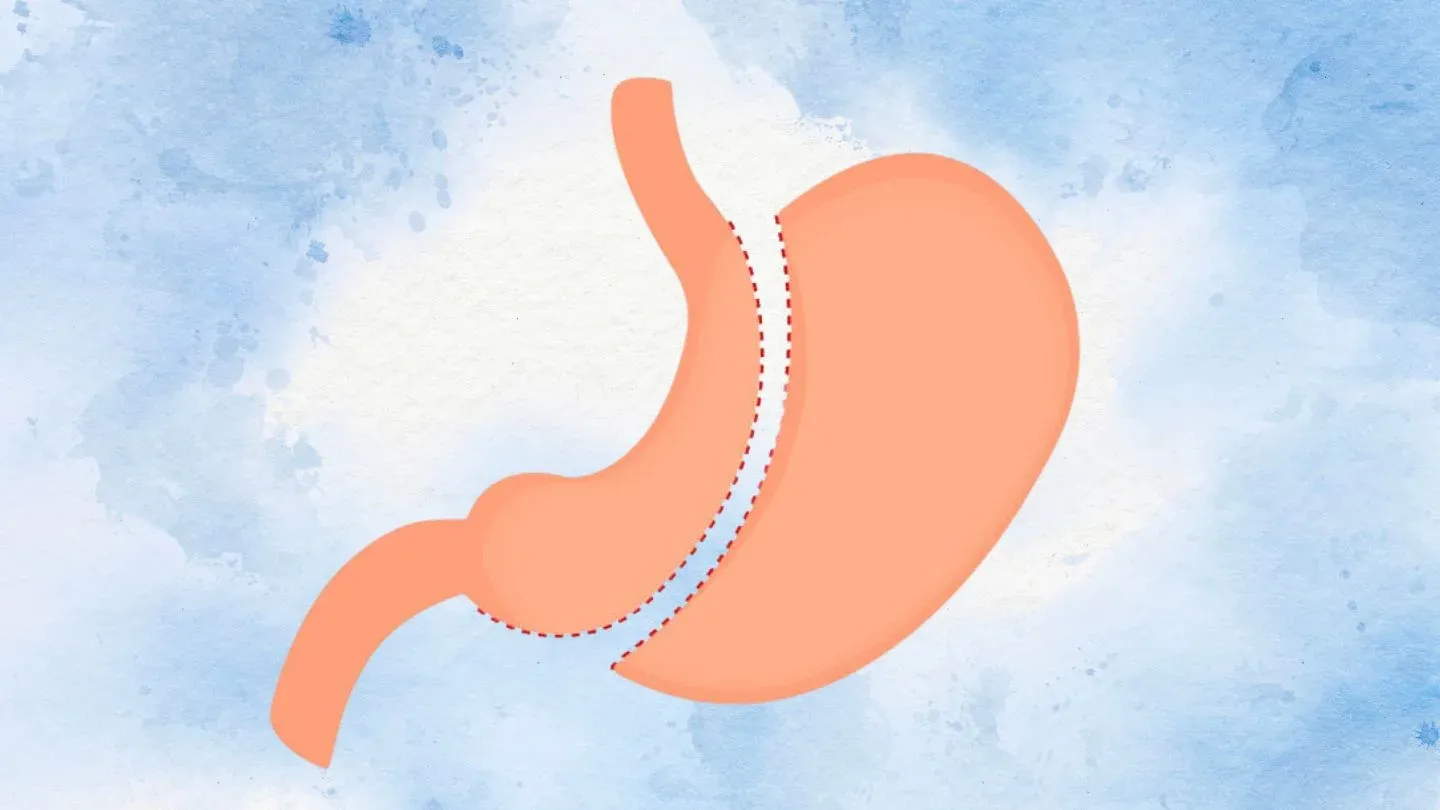
Both procedures begin with sleeve gastrectomy, removing approximately 80% of the stomach to create a smaller stomach. This gastric sleeve surgery component reduces the stomach to about 2-4 ounces, immediately limiting food intake and reducing hunger hormones. The sleeve gastrectomy procedure preserves the pyloric valve, which helps prevent dumping syndrome compared to other bariatric procedures.

The historical development shows how surgical innovation has evolved to balance effectiveness with safety. While the traditional DS has decades of proven results, the newer loop duodenal switch design addresses some limitations of the original procedure while maintaining comparable outcomes for weight control.

Key Surgical Differences Between SADI and Duodenal Switch

The fundamental difference between these two procedures lies in their intestinal connection approach, which significantly impacts surgical complexity and patient outcomes.

Number of Anastomoses: The most critical difference is that SADI-S creates only one anastomosis (intestinal connection), while BPD/DS requires two separate connections. This single anastomosis design in SADI makes it a less technically demanding procedure with a lower risk of complications. The traditional duodenal switch’s dual-anastomosis approach requires more extensive bowel rearrangement, increasing operative time and potential for surgical complications.

Operative Time Differences: SADI-S typically takes 2-3 hours to complete, while traditional duodenal switch procedures often require 3-4 hours or more. This shorter operative time translates to reduced anesthesia exposure and lower risk of post-surgery complications.

Intestinal Configuration: The two procedures create different intestinal pathways. SADI uses a loop design where digestive juices and food mix in a longer common channel, while BPD/DS creates separate pathways for food and pancreatic juices that only meet in a very short common segment. This difference affects how essential nutrients are absorbed and influences the severity of malabsorption.

Bile Flow Management: Both procedures address bile reflux prevention, but through different mechanisms. SADI’s loop configuration may have a slightly higher risk of bile reflux in some patients, though modern surgical techniques have largely addressed this concern. The traditional duodenal switch’s Y-shaped configuration provides more complete separation of bile from the stomach.

Laparoscopic Technique: Both procedures can be performed using a minimally invasive laparoscopic technique, though SADI’s simpler design makes it more consistently achievable through small incisions. Most experienced bariatric surgeons prefer the laparoscopic approach for both procedures when possible, as it reduces recovery time and complications.

Weight Loss and Metabolic Outcomes

Both SADI and traditional duodenal switch deliver exceptional results for significant weight loss and metabolic improvement, ranking among the most effective weight loss procedures available.

Expected Weight Loss: Patients can expect 70-100% excess weight loss with both procedures, though traditional duodenal switch may produce slightly greater weight loss in some cases. Most patients lose 75-85% of their excess weight within 18-24 months, with SADI showing comparable results to BPD/DS in medium-term studies. These outcomes represent some of the best weight loss results available in bariatric surgery.

Diabetes Resolution: Both procedures achieve remarkable diabetes resolution rates, with up to 95% of patients experiencing significant improvement or complete remission of type 2 diabetes. The bypass with sleeve gastrectomy design in both procedures creates powerful hormonal changes that improve insulin sensitivity and glucose control, often within days of surgery.

Timeline for Results: Patients typically see rapid initial weight loss in the first 3-6 months post-surgery, with continued progress over 18-24 months. The faster weight loss compared to restrictive procedures alone reflects the malabsorptive component that reduces calorie absorption from food intake.

Cardiovascular Benefits: Both procedures effectively address high blood pressure and high cholesterol, with many patients reducing or eliminating cardiovascular medications within the first year. The dramatic weight loss and metabolic changes contribute to improved heart disease risk profiles.

Sleep Apnea Resolution: The significant weight loss achieved helps resolve sleep apnea in 80-90% of patients, dramatically improving sleep quality and overall health. This improvement often occurs relatively early in the weight loss journey, as even moderate weight reduction can open airways.

Metabolic Syndrome: The combination of weight loss, improved insulin sensitivity, and hormonal changes helps reverse metabolic syndrome in most patients, addressing multiple health issues simultaneously for improved health outcomes.

Complications and Risk Profiles

Complications and Risk Profiles

Understanding the complication profiles of both procedures helps patients make informed decisions about their surgical options and long-term health management.

SADI-S Lower Risk Profile: The single anastomosis design reduces several risk factors associated with complex surgery. With only one connection between intestines, there’s a lower risk of anastomotic leaks, a reduced chance of bowel obstruction, and fewer opportunities for technical complications. This translates to fewer complications overall and potentially shorter hospital stays.

BPD/DS Complexity Risks: The traditional duodenal switch’s dual-anastomosis design inherently carries higher surgical complexity. While still very safe in experienced hands, the additional intestinal connection increases the potential for leak, stricture, or other anastomosis-related complications.

Nutritional Deficiency Comparison: Both procedures carry the risk of nutritional deficiencies, particularly fat-soluble vitamins (A, D, E, K), but traditional DS typically has higher rates of severe vitamin deficiency. The longer common channel in SADI may reduce the severity of malabsorption while maintaining weight loss effectiveness. Protein deficiency, iron deficiency, and calcium deficiency require ongoing monitoring for both procedures.

Dumping Syndrome: Both procedures have relatively low rates of dumping syndrome compared to gastric bypass surgery, thanks to the preserved pyloric valve from the sleeve gastrectomy component. When dumping syndrome does occur, it’s typically milder and more manageable than with other weight loss procedures.

Bowel Movement Changes: Patients should expect changes in bowel habits with both procedures. Loose bowel movements and more frequent bowel movements are common, though SADI patients may experience somewhat better stool consistency than traditional DS patients due to the longer absorptive segment.

Long-term Complications: Both procedures require vigilant monitoring for potential complications over time, including nutritional surveillance, bone health assessment, and ongoing evaluation of digestive function.

Recovery and Long-term Care Requirements

Recovery from both SADI and traditional duodenal switch follows similar patterns, though SADI’s simpler surgical approach may offer some advantages in the immediate post-operative period.

Hospital Stay: Most patients stay 1-3 days in the hospital after either procedure, with SADI patients sometimes experiencing slightly shorter stays due to the less complex surgery. The hospital team monitors for any immediate complications and ensures patients can tolerate liquids before discharge.

Recovery Timeline: Patients typically return to normal activities within 2-4 weeks, with full recovery taking about 6 weeks for both procedures. The laparoscopic technique used for both surgeries minimizes tissue trauma and speeds healing compared to open surgery approaches. Most people can resume short drives once they’re off narcotic pain meds and feel alert and comfortable—often within about a day, though surgeon clearance should guide the exact timing.

Dietary Progression: Both procedures require careful dietary progression starting with a liquid diet for the first week, advancing through a full liquid diet, then puree, and finally solid foods over about 6-8 weeks. This gradual progression allows the new anatomy to heal while patients learn to eat with their smaller stomachs. Carbonated beverages are usually avoided in the early months because gas can cause pressure, discomfort, and stretching in the smaller stomach, so patients reintroduce them only if their care team approves.

Lifelong Supplementation: Both procedures require comprehensive vitamin and mineral supplementation for life. Patients need specialized bariatric multivitamins, calcium citrate, iron, vitamin B12, and fat-soluble vitamins. The supplementation regimen is extensive but crucial for preventing deficiency-related complications. Some patients notice lightheadedness or dizziness early on, often tied to dehydration, low blood pressure, or vitamin/mineral shifts, which is why hydration and labs matter so much in follow-up.

Follow-up Schedule: Intensive monitoring is essential for both procedures, with frequent visits and laboratory testing in the first two years, then periodic monitoring for life. Blood work typically checks for nutritional deficiencies, liver function, and metabolic markers every 3-6 months initially, then annually long-term.

Protein Requirements: Both procedures significantly increase protein needs, with patients requiring 80-120 grams of high-quality protein daily to prevent protein deficiency and maintain muscle mass during weight loss. Because long-term success depends on habits and consistency, ongoing support—through follow-ups, nutrition coaching, and peer groups—helps patients stay on track physically and emotionally.

Candidate Selection Criteria

Candidate Selection Criteria

Proper patient selection is crucial for successful outcomes with either SADI or traditional duodenal switch, as both are reserved for specific clinical situations.

BMI Requirements: Both procedures are typically reserved for patients with a BMI of 50 or higher, or a BMI of 40+ with significant medical comorbidities like diabetes, sleep apnea, or cardiovascular disease. These represent the most severe cases of obesity where maximum weight loss intervention is needed.

Health Conditions: Ideal candidates often have multiple obesity-related health issues, including type 2 diabetes, high blood pressure, sleep apnea, and metabolic syndrome. Patients with severe, poorly controlled diabetes may particularly benefit from the powerful metabolic effects of these procedures.

Previous Surgery History: Both procedures are excellent options for revisional surgery when previous bariatric procedures haven’t achieved desired outcomes. SADI is particularly popular for converting failed gastric sleeve surgery, as the existing sleeve can be utilized with the addition of the intestinal bypass.

Psychological Readiness: Success requires significant lifestyle changes and adherence to complex supplementation regimens. Candidates must demonstrate understanding of the commitment required and readiness to follow post-operative guidelines strictly.

Medical History Considerations: A Comprehensive evaluation of medical history helps determine the safest approach. Factors like previous abdominal surgery, inflammatory bowel disease, and bleeding disorders may influence procedure choice. Before moving forward with either procedure, patients typically complete a full pre-op workup—blood tests, cardiac and pulmonary clearance, imaging, and other evaluations—to confirm safety and readiness for surgery.

Surgeon Expertise: Both procedures require experienced bariatric surgeons with specific training in these complex techniques. The learning curve is significant, making surgeon selection crucial for optimal outcomes.

Cost and Insurance Considerations

The financial aspects of SADI and traditional duodenal switch procedures require careful consideration, as both represent significant investments in long-term health.

Insurance Coverage: Coverage varies significantly between insurance plans and procedures. Traditional duodenal switch has longer-established coverage patterns, while SADI-S coverage may be more variable as it’s a newer procedure. Many plans cover both when medical necessity criteria are met, including BMI requirements and documented comorbidities.

Self-Pay Costs: For patients paying out of pocket, costs can range from $17,995 at some specialized centers, though prices vary significantly by geographic location and facility. The investment includes not just the surgery but comprehensive pre-operative evaluation and post-operative care programs.

Payment Options: Many bariatric centers offer financing plans to make these life-changing procedures more accessible. Payment plans may spread costs over several years with various interest rate options.

Long-term Value: When considering costs, it’s important to factor in the long-term savings from reduced medications, fewer medical complications, and improved quality of life. Many patients see significant reductions in costs for diabetes medications, blood pressure medications, and other obesity-related treatments.

Hidden Costs: Budgeting should include ongoing costs for specialized vitamins and supplements, which can cost $100-200 monthly for life. Regular follow-up care, laboratory testing, and potential complications should also be considered in long-term financial planning.

Employer Benefits: Some progressive employers offer specific benefits for bariatric surgery, recognizing the long-term health and productivity benefits for their workforce.

Choosing the Right Path for Lasting Weight Loss

Both SADI-S and the traditional duodenal switch are highly effective options for people with severe obesity, delivering major weight loss and powerful metabolic improvements. The key difference comes down to surgical design: SADI-S offers a simpler single-connection approach with a lower complication profile, while the classic duodenal switch tends to produce slightly greater loss but requires more complex anatomy changes and closer nutritional vigilance. The best choice is ultimately the one that fits your health needs, risk tolerance, and long-term ability to follow the required supplementation and follow-up plan.

If you’re weighing options for bariatric surgery in New York, we can help you move from research to a confident, surgeon-guided decision. Lenox Hill Bariatric Surgery Program supports clinics and patients by making trustworthy medical guidance easier to find online, and we encourage you to explore the full range of advanced treatments—whether that’s the SIPS procedure, a duodenal switch approach, endoscopic sleeve solutions, gastric bypass, or gastric sleeve surgery—so your next step is based on clarity, not guesswork.

Frequently Asked Questions

Which procedure is safer – SADI or traditional duodenal switch?

SADI-S generally has a lower risk profile due to its simpler single-anastomosis design, which reduces the chance of leak, stricture, and other surgical complications. However, both procedures are very safe when performed by experienced bariatric surgeons. The safety advantage of SADI comes primarily from reduced operative complexity and shorter surgery time, but individual risk factors and surgeon expertise are equally important considerations.

Can these surgeries be reversed if complications occur?

While technically possible, reversal of either procedure is extremely complex and rarely performed. Instead of reversal, surgeons typically modify the anatomy to address specific complications – for example, lengthening the common channel if severe malnutrition occurs, or revising connections if there are mechanical problems. The complexity of reversal is why careful patient selection and experienced surgical teams are so crucial.

How do these procedures compare to gastric bypass in terms of effectiveness?

Both SADI and duodenal switch typically produce greater weight loss than gastric bypass surgery, particularly in patients with very high BMI. While gastric bypass achieves about 60-70% excess weight loss, these duodenal switch procedures often achieve 75-85% or more. They’re also more effective for diabetes resolution and metabolic improvements, but require more intensive long-term nutritional management than gastric bypass.

What specific vitamins and supplements are required after each surgery?

Both procedures require comprehensive lifelong supplementation including: high-potency bariatric multivitamins, calcium citrate (1200-1500mg daily), iron (if deficient), vitamin B12, vitamin D3 (often high doses), and fat-soluble vitamins A, E, and K. SADI patients may require slightly less intensive supplementation than traditional DS patients due to better nutrient absorption, but both groups need regular monitoring and adjustment of their regimens based on blood work.

How long before patients see maximum weight loss results from each procedure?

Most patients reach their maximum weight loss between 18 and 24 months after surgery with both procedures. The weight loss trajectory typically shows rapid loss in the first 6 months (often 50-60% of total expected loss), continued steady loss through 12-18 months, and then stabilization. Some patients may continue gradual weight loss beyond two years, while others may experience minor weight regain that usually stabilizes at 18-24 months post-surgery.

Woman Drinking Protein Shake

5 High-Protein Shakes Ideal for Post-Bariatric Diets

After undergoing bariatric surgery, one of the most important aspects of your recovery and long-term success is proper nutrition. Because your stomach size and absorption capacity are reduced, it becomes harder to get enough nutrients, especially protein, through food alone. That’s where protein shakes for bariatric patients play a vital role.

These shakes are designed to be easy to digest, nutrient-rich, and high in protein while remaining low in sugar and calories. Whether you’ve had a gastric sleeve, gastric bypass, or another weight loss surgery, choosing the best protein shakes for bariatric patients can significantly impact your healing and results.

Why Protein Is Essential After Bariatric Surgery

Protein is the foundation for tissue repair, energy, and immune support. After surgery, your body relies on protein to help wounds heal, prevent muscle loss, and support fat burning. Since your intake is limited, protein drinks for bariatric patients provide a convenient and effective solution to meet daily requirements.

Most patients need 60–80 grams of protein per day, though this can vary depending on your specific surgery. Protein shakes after gastric bypass or sleeve surgery make it easier to meet this goal, especially during the early stages when solid food may still be difficult to tolerate.

Choosing the best protein drink for bariatric patients means focusing on those that are high in protein, low in sugar, and enriched with vitamins and minerals. Along with shakes, incorporating a variety of high-protein foods for bariatric patients can help sustain energy levels, improve muscle recovery, and make your post-surgery diet more satisfying.

  • High in protein (at least 20g per serving)
  • Low in sugar (less than 5g)
  • Easily digestible (whey isolate or plant-based)
  • Enriched with vitamins and minerals

Now, let’s dive into the top five best protein shakes for after surgery, delicious, balanced, and bariatric-approved.

1. Chocolate Peanut Butter Protein Shake

Rich, creamy, and satisfying, the chocolate peanut butter protein shake is a classic post-surgery favorite. Each serving typically contains 25–30 grams of protein, providing long-lasting energy while keeping you full between meals.

The combination of whey protein and peanut butter delivers a balance of healthy fats and essential amino acids, helping repair tissues and build lean muscle mass. Because it’s low in sugar and high in flavor, it’s one of the best protein shakes for bariatric patients who crave something indulgent without compromising their diet.

2. Vanilla Bean Protein Shake

2. Vanilla Bean Protein Shake

If you prefer a simple and light flavor, the vanilla bean protein shake is perfect. It’s smooth, easy to digest, and can be customized with fruits, cinnamon, or a drop of almond extract for extra taste.

With about 25 grams of protein per serving, it’s a great choice for gastric sleeve patients or those just beginning to transition from liquid to soft foods. Because of its mild flavor, it’s also excellent for patients with sensitive stomachs after surgery.

This shake remains one of the best protein shakes for gastric sleeve patients and a staple in many post-op diets.

3. Strawberry Banana Protein Shake

For those who like a refreshing fruit twist, the strawberry banana protein shake offers natural sweetness and plenty of nutrients. It’s made with high-quality whey or pea protein and is packed with antioxidants, fiber, and vitamin C,  all of which help your body recover faster.

It’s particularly beneficial as a mid-morning or afternoon pick-me-up when energy dips. Light on the stomach and rich in essential nutrients, this drink is among the most well-balanced protein shakes for bariatric patients.

4. Mint Chip Protein Shake

Refreshing and flavorful, the mint chip protein shake adds variety to your post-surgery routine. It’s rich in 25–30 grams of protein, low in sugar, and helps curb sweet cravings.

The cooling mint can also ease nausea,  a common side effect during early recovery. For this reason, it’s one of the best protein shakes for after surgery, especially when you’re craving something sweet but light.

Blend it with a few ice cubes and sugar-free chocolate chips for a texture boost that feels indulgent yet stays healthy.

5. Orange Creamsicle Protein Shake

The orange creamsicle protein shake delivers a nostalgic flavor that combines citrus and vanilla in a smooth, refreshing way. It typically contains 20–25 grams of protein and essential nutrients like calcium and vitamin D, both of which support healing and bone health.

This shake works beautifully for gastric bypass patients who need variety in their protein intake without feeling overly full. It’s gentle on the stomach, easy to digest, and helps maintain hydration while keeping you nourished.

How to Choose the Right Protein Shake After Bariatric Surgery

When selecting the best protein shakes for bariatric patients, check the nutrition label carefully. Look for:

  • Whey isolate or plant-based protein (for better absorption)
  • Low sugar (less than 5g per serving)
  • Moderate calories (around 150–200 per shake)
  • Essential vitamins (especially B12, iron, and calcium)

Avoid shakes with artificial sweeteners, heavy fats, or fillers; these can cause bloating or interfere with digestion after surgery. If you’re struggling with tolerance, consult your bariatric team about the best protein shakes for gastric sleeve patients or protein drinks for bariatric patients suited to your unique needs.

Tips for Drinking Protein Shakes After Gastric Bypass or Sleeve

Tips for Drinking Protein Shakes After Gastric Bypass or Sleeve
  • Start slow: Introduce shakes in the first few days after surgery when solids are restricted.
  • Sip throughout the day: Drinking slowly helps prevent discomfort or nausea.
  • Stay consistent: Protein should be part of every meal or snack plan.
  • Vary your options: Rotate between chocolate, fruit, and vanilla flavors to avoid boredom.
  • Don’t skip hydration: Complement shakes with plenty of water.

Regular use of protein shakes after gastric bypass or sleeve surgery ensures better healing, stable energy, and long-term weight maintenance.

Conclusion

Getting the right amount of protein after bariatric surgery is crucial for recovery, healing, and maintaining long-term weight loss results. The best protein shakes for bariatric patients make it easy to meet your daily nutrition goals without straining your digestive system. From creamy chocolate blends to refreshing fruit-based options, each shake offers essential nutrients that promote muscle preservation, boost energy, and support your body’s transformation after surgery. Consistency is key; integrating protein shakes after gastric bypass or sleeve surgery into your routine can make a remarkable difference in your overall success and well-being.

For patients seeking expert guidance on nutrition and post-surgery care, the Lenox Hill Bariatric Surgery Program provides personalized support every step of the way. Our specialists offer customized meal plans, long-term weight management strategies, and advanced bariatric care tailored to your unique health goals. To learn more about bariatric nutrition, recovery, and ongoing support, visit NYC Bariatrics,  your trusted destination for comprehensive bariatric care in New York City.

FAQs About Protein Shakes for Bariatric Patients

How many protein shakes should I have per day after surgery?

Usually, 1–2 shakes per day, depending on your surgeon’s advice and your dietary plan.

Can protein shakes replace meals permanently?

Initially, yes,  but over time, they should complement small, balanced meals.

What’s the best protein shake for gastric sleeve patients?

Low-carb, high-protein options like vanilla bean or strawberry banana are ideal.

Are homemade protein shakes a good option?

Yes, you can blend your own using protein powder, milk alternatives, and fresh fruit.

How long should I continue drinking protein shakes after surgery?

Many patients incorporate them long-term to meet daily protein goals and support maintenance.

Women Holding Weights On A Sidewalk

What To Know About Exercising After Bariatric Surgery

After undergoing bariatric surgery, your journey toward a healthier, more active lifestyle doesn’t end in the operating room; it’s just beginning. Regular exercise after bariatric surgery is one of the most effective ways to maintain weight loss, build strength, and improve your overall well-being.

While surgery helps reduce calorie intake and limit stomach size, consistent movement helps your body adjust, increases energy levels, and protects your long-term success. But knowing “when can I exercise after bariatric surgery” and which activities are safe is crucial to ensure a smooth recovery and long-term success after your procedure.

Why Exercise Matters After Bariatric Surgery

Physical activity plays a key role in helping bariatric patients reach and maintain their ideal weight. Beyond burning calories, exercise helps strengthen muscles, improve heart health, and prevent the loss of lean body mass that can occur during rapid weight loss.

Engaging in regular exercise after bariatric surgery also helps boost mood, increase energy, and improve self-confidence. It’s a valuable tool for adjusting to your new lifestyle and preventing future weight regain. Understanding the relationship between bariatric surgery vs. diet and exercise can also help patients make informed decisions about their long-term weight management and health goals.

Some patients worry about why you should not exercise after weight loss surgery, fearing that early activity could cause complications. However, when done gradually and under medical supervision, exercise is one of the safest and most beneficial ways to recover.

How Long After Bariatric Surgery Can You Exercise?

The most common question patients ask is: “How soon after gastric bypass can I exercise?” or “When can I start exercising after gastric sleeve surgery?”

The answer depends on your procedure type and how your body heals. Most surgeons recommend beginning light activity within a few days post-surgery. Here’s a general timeline:

  • First 1–2 weeks: Start with short, slow walks several times a day to boost circulation.
  • Weeks 3–6: Gradually increase your walking distance and frequency. Gentle stretching and deep breathing exercises can also help.
  • After 6–8 weeks: Once your surgeon approves, introduce low-impact cardio, cycling, or light resistance workouts.

Always follow your doctor’s specific recommendations ,  recovery looks different for every individual.

Safe Exercises After Bariatric Surgery

Choosing the best exercises after bariatric surgery is about finding low-impact, sustainable activities that won’t strain your healing body. Some great options include:

  • Walking: An easy, joint-friendly way to improve endurance and circulation.
  • Swimming or water aerobics: Ideal for cardiovascular health and joint flexibility.
  • Yoga and stretching: Helps with mobility, posture, and relaxation.
  • Cycling: Builds leg strength and supports calorie burn without overexertion.

If you’ve had a gastric sleeve procedure, start slow with exercise after gastric sleeve and focus on movements that promote gradual recovery rather than intensity. Once you’ve established a routine, understanding exercises for optimal health after weight loss surgery can help you build endurance, improve flexibility, and maintain long-term fitness success.

When Can I Lift Weights After Gastric Sleeve?

When Can I Lift Weights After Gastric Sleeve?

Building muscle is essential for maintaining metabolism and long-term success. However, it’s important to know when I can lift weights after a gastric sleeve safely.

Typically, patients can begin resistance training about 6 to 8 weeks post-surgery. Start with bodyweight movements such as wall pushups or squats, and slowly progress to light dumbbells or resistance bands. Avoid heavy lifting or abdominal strain until your doctor clears you. Remember, consistency and form matter far more than the weight you lift.

Why You Should Be Cautious With Exercise After Weight Loss Surgery

Although activity is vital, knowing why you should not exercise too soon after weight loss surgery can prevent setbacks. Exercising aggressively or too early may lead to hernias, dehydration, dizziness, or even slowed healing.

The key is moderation: stay active, but listen to your body. Allow it time to recover, hydrate regularly, and never push past discomfort.

Exercise After Gastric Sleeve: How to Build Up Gradually

Your recovery after a sleeve gastrectomy is a gradual process. Exercise after a gastric sleeve should start with gentle walks and slowly progress as your stamina improves.

Focus on:

  • Daily walks: Start with 5–10 minutes and increase by a few minutes every few days.
  • Low-impact cardio: Swimming or cycling after a few weeks builds endurance.
  • Strength training: Introduce this later to maintain lean muscle and prevent sagging skin.

Consistency is key. Even 20–30 minutes of activity daily can significantly boost your results.

How Soon After Gastric Bypass Can I Exercise?

Patients recovering from gastric bypass often ask, “How soon after gastric bypass can I exercise?” Most can begin gentle walking within days after surgery.

Avoid strenuous movements early on and prioritize posture, hydration, and breathing. Over time, integrate aerobic activities like swimming or light resistance work. Always consult your surgeon before resuming moderate or high-intensity routines.

Best Exercises After Bariatric Surgery for Long-Term Success

Best Exercises After Bariatric Surgery for Long-Term Success

Once you’re cleared for full activity, focus on maintaining an exercise plan that includes:

  • Cardio workouts: Walking, cycling, or swimming for 30–45 minutes, 4–5 times weekly.
  • Strength training: 2–3 sessions per week to maintain muscle and support metabolism.
  • Flexibility exercises: Yoga or stretching to prevent stiffness.

The best exercises after bariatric surgery are those you enjoy,  consistency matters more than intensity.

Practical Tips for Exercising Safely

  • Always warm up and cool down to prevent injury.
  • Stay hydrated before, during, and after workouts.
  • Wear comfortable, supportive shoes.
  • Avoid exercising immediately after eating.
  • Celebrate progress, not perfection.

Building a routine that fits your lifestyle helps ensure long-term success and satisfaction.

Conclusion

Exercise after bariatric surgery is essential for maintaining your health, preventing weight regain, and boosting confidence. Whether you’re recovering from a gastric sleeve or gastric bypass, incorporating movement into your routine helps you build strength, improve endurance, and enhance long-term results.

For professional support and personalized care, trust the Lenox Hill Bariatric Surgery Program. Our team of skilled bariatric surgeons and specialists guides patients throughout every phase,  from surgery to full recovery and beyond. If you’re ready to begin your journey with expert-led guidance and ongoing care, visit NYC Bariatrics today to learn more about our bariatric surgery and weight loss programs in New York City.

FAQs About Exercise After Bariatric Surgery

When can I start exercising after bariatric surgery?

You can start gentle walking as early as a few days after surgery, gradually increasing activity.

What are the best exercises after bariatric surgery?

Low-impact workouts like walking, swimming, cycling, and yoga are ideal.

When can I lift weights after a gastric sleeve?

Usually around 6–8 weeks post-op, starting with light resistance.

Why should I avoid intense workouts right away?

Early overexertion can strain healing tissues or slow recovery.

How long after bariatric surgery can I exercise regularly?

Most patients can begin structured exercise around 2 months post-surgery.

Person Holding Digestive System Cutout

Differences Between Mini Gastric Bypass Vs. Gastric Bypass

The mini gastric bypass, also known as the one-anastomosis gastric bypass (OAGB), is a modified version of the traditional bypass. It’s designed to achieve similar results through a simpler surgical technique.

In this procedure, the surgeon creates a narrow, tubular stomach pouch and connects it to a single loop of the small intestine, unlike the standard bypass, which involves two separate intestinal connections. This simplified design shortens operation time and can reduce certain surgical risks. When comparing mini bypass vs gastric bypass, the mini version offers a slightly shorter hospital stay, faster recovery, and comparable weight loss outcomes for most patients.

Gastric Bypass vs Mini Bypass: Understanding the Key Differences

Although both procedures lead to substantial weight loss and improved health, their surgical approaches, risks, and recovery processes differ in important ways. Let’s look at the main difference between mini bypass and gastric bypass.

1. Surgical Technique

In gastric bypass vs mini bypass, the key distinction lies in how the intestines are rerouted.

  • Mini gastric bypass: One connection between the stomach and small intestine (single-loop).
  • Gastric bypass: Two connections (Roux-en-Y configuration).

This means mini gastric bypass surgery is technically simpler and generally shorter to perform, often resulting in a reduced anesthesia time.

2. Surgery Duration and Hospital Stay

Mini gastric bypass surgery typically takes about 60–90 minutes, while the traditional gastric bypass may take 2–3 hours. Most mini bypass patients are discharged within one or two days, whereas gastric bypass patients might stay two to three days for observation and recovery.

3. Weight Loss and Metabolic Effects

Both procedures offer dramatic weight loss and long-term success when paired with healthy lifestyle changes.

  • Mini gastric bypass: May result in faster early weight loss due to greater malabsorption.
  • Gastric bypass: Slightly slower initial results but proven, steady long-term outcomes.

Both surgeries also have strong metabolic benefits, including improved blood sugar control and remission of diabetes.

4. Nutrient Absorption and Vitamin Deficiency Risk

Nutrient Absorption and Vitamin Deficiency Risk

Because the mini gastric bypass bypasses a longer segment of the small intestine, it may cause more nutrient malabsorption than traditional bypass. This can lead to deficiencies in iron, calcium, vitamin B12, and folate.

Patients undergoing either surgery must take lifelong vitamin and mineral supplements and follow a monitored nutrition plan to stay healthy.

5. Recovery and Downtime

Mini gastric bypass recovery is typically faster, allowing most patients to return to normal activities within two weeks. In contrast, gastric bypass recovery can take three to four weeks due to its more complex surgical structure.

However, both procedures require gradual reintroduction of foods, adherence to post-surgery diet guidelines, and careful follow-up with your bariatric team. Recovery experiences can vary from person to person, depending on health, activity level, and adherence to post-op care.

6. Complications and Risks

All surgeries carry risks, but gastric bypass vs mini bypass differs slightly in the type of potential complications.

  • Mini gastric bypass: Lower risk of surgical complications such as leakage, but a slightly higher chance of bile reflux.
  • Gastric bypass: Lower bile reflux risk, but a more complex surgical process.

Both procedures have very low mortality and complication rates when performed by experienced bariatric surgeons.

7. Reversibility and Revision Options

The mini gastric bypass can be more easily revised or converted to another weight loss surgery if necessary. In contrast, the gastric bypass is more permanent and technically challenging to reverse. This makes the mini bypass a flexible choice for certain patients who may need adjustments later.

Benefits of Gastric Bypass Surgery

The gastric bypass remains a time-tested choice for patients with obesity and related metabolic conditions. Its benefits include:

  • Long-term weight maintenance success
  • Extensive clinical research and safety data
  • Effective diabetes remission
  • Reduced appetite and hormonal changes promoting fullness
  • Significant improvement in obesity-related diseases

Because of its proven results, the gastric bypass is often recommended for patients with severe obesity or complex metabolic issues.

Benefits of Mini Gastric Bypass Surgery

The mini gastric bypass offers several appealing advantages, especially for those who want effective results with less invasive surgery.

  • Shorter operation and hospital stay
  • Comparable weight loss to traditional bypass
  • Easier revision if required
  • Lower risk of internal hernias
  • Faster return to normal daily activity

For the right candidate, gastric bypass vs mini bypass can deliver equally strong outcomes with potentially fewer surgical complexities.

Risks and Side Effects of Both Procedures

Risks and Side Effects of Both Procedures

Potential side effects can occur with both types of bypass surgery. These may include:

  • Nutrient deficiencies (iron, calcium, vitamin D, B12)
  • Dumping syndrome (rapid emptying of food into the intestine)
  • Stomach ulcers or inflammation
  • Bile reflux (slightly more common with mini bypass)
  • Rare surgical complications like leakage or infection

With proper post-operative care and medical monitoring, these risks are minimal and manageable.

Which Procedure Is Right for You?

Deciding between mini gastric bypass vs gastric bypass depends on multiple factors, including:

  • Your BMI and overall health
  • Whether you have conditions like acid reflux or diabetes
  • Your personal goals for weight loss and recovery
  • Your surgeon’s recommendation based on anatomy and lifestyle

Both procedures are effective, but the “better” choice depends on your unique health profile and long-term commitment to lifestyle changes.

Conclusion

In the comparison of mini bypass vs gastric bypass, both procedures offer effective and lasting results for weight loss and improved metabolic health. Each has its advantages; the mini gastric bypass is simpler, with a shorter recovery time, while the traditional gastric bypass has decades of proven success and lower bile reflux risk. Choosing between the two depends on your health profile, lifestyle goals, and the advice of a qualified bariatric surgeon.

When you contact the gastric bypass surgery experts in NYC at the Lenox Hill Bariatric Surgery Program, our experienced surgeons will help you make an informed, confident decision. We provide comprehensive evaluations, personalized treatment plans, and advanced minimally invasive techniques to ensure the best possible outcomes for your weight-loss journey. Learn more about your options for gastric sleeve surgery in NYC, or schedule a consultation today to start your path toward a healthier life.

Frequently Asked Questions:

What is a mini gastric bypass vs a gastric bypass?

A mini gastric bypass uses one intestinal connection, while a traditional gastric bypass uses two. Both limit food intake and nutrient absorption to promote weight loss.

Which surgery is safer, mini or gastric bypass?

Both are safe when performed by experienced bariatric surgeons. Mini bypass has a slightly faster recovery, while gastric bypass has longer-term data.

Can a mini gastric bypass be reversed?

Yes, it’s generally easier to revise or reverse a mini gastric bypass than a traditional bypass.

Which procedure causes more nutrient deficiency?

Mini bypass may lead to slightly higher malabsorption, but both require vitamin supplementation for life.

How long is the recovery after surgery?

Mini gastric bypass recovery usually takes about two weeks, while gastric bypass recovery may take three to four weeks.

Roll Of Toilet Paper And A Stethoscope

Moderate And Severe Constipation After Gastric Sleeve: Is It Normal?

If you’re experiencing constipation after gastric sleeve surgery or gastric bypass, you’re not alone. Constipation is one of the most common side effects after bariatric surgery, especially in the early recovery stages. While it can be uncomfortable, it’s usually temporary and can be managed with the right care and adjustments to your diet and lifestyle.

Understanding why constipation happens after gastric sleeve or bariatric surgery will help you take simple steps to relieve discomfort and support healthy digestion as your body heals.

Why Constipation Happens After Bariatric Surgery

Constipation after bariatric surgery occurs for several reasons. The digestive system changes significantly following procedures like gastric sleeve or bypass, which impacts how your body processes food and absorbs nutrients. Below are the most common causes of gastric sleeve constipation and ways to address them. Along with constipation, some patients also experience bloating or trapped gas after surgery. If you’re dealing with this kind of discomfort, knowing how to get rid of gas after gastric bypass or gastric sleeve can help you feel more comfortable during recovery.

1. Reduced Fiber Intake

After surgery, your diet focuses on protein-rich foods and easily digestible liquids. This helps healing but also means you’re consuming less fiber, one of the key nutrients that keeps digestion regular. A lack of fiber is one of the most common causes of constipation after gastric sleeve surgery.

2. Dehydration

Drinking enough fluids after surgery can be challenging because your stomach is smaller and fills quickly. When you don’t get enough water, stool can harden and become difficult to pass, leading to constipation after gastric sleeve or constipation after VSG (Vertical Sleeve Gastrectomy).

Aim to sip water throughout the day instead of drinking large amounts at once. Staying hydrated helps soften stools and promotes regular bowel movements.

3. Iron and Calcium Supplements

Iron and calcium supplements are necessary after bariatric surgery to prevent nutrient deficiencies, but they can slow digestion. Many patients notice constipation after gastric sleeve when they start these supplements. Talk to your surgeon or dietitian about timing and formulations that minimize this side effect.

4. Pain Medications

Prescription pain relievers, particularly narcotics, can slow intestinal motility and lead to severe constipation after gastric sleeve. If you need pain medication, ask your doctor about alternatives or stool softeners to help prevent constipation.

5. Lack of Physical Activity

After surgery, reduced movement is common due to soreness or fatigue. However, staying inactive for too long can slow digestion. Light walking throughout the day stimulates bowel function and helps reduce constipation after bariatric surgery.

Is Constipation After Gastric Sleeve Normal?

Is Constipation After Gastric Sleeve Normal?

Yes, constipation after gastric sleeve and other bariatric procedures is normal during recovery. Your digestive tract needs time to adjust to a smaller stomach, lower calorie intake, and new eating habits. Recovery looks different for everyone, and comfort plays a big role in healing well. Understanding tips to feel better during gastric sleeve surgery recovery can help you ease discomfort, stay hydrated, and get back to normal faster.

Most patients experience constipation for the first few days to two weeks after surgery. Once your diet expands and your hydration improves, bowel movements typically return to normal. If you experience severe constipation after gastric sleeve that lasts longer than two weeks or causes significant pain, consult your bariatric surgeon.

Common Symptoms of Constipation After Gastric Sleeve Surgery

Recognizing the signs of gastric sleeve constipation early can help you take quick action:

  • Fewer than three bowel movements per week
  • Hard, dry, or small stools
  • Straining or discomfort during bowel movements
  • Bloating, cramping, or abdominal pain
  • Feeling like you haven’t fully emptied your bowels

If symptoms persist or worsen, it’s important to contact your doctor. Severe or untreated constipation can lead to further complications like hemorrhoids or bowel obstruction.

How to Avoid Constipation After Gastric Sleeve

Fortunately, constipation is manageable. As your digestive system adapts, following the gastric sleeve diet guidelines can help you stay regular. Here’s how to avoid constipation after a gastric sleeve and promote better digestive health during recovery and beyond.

1. Stay Hydrated

Drink at least 64 ounces of water daily. If that feels overwhelming, try sipping every few minutes throughout the day. Water is essential for softening stool and aiding digestion, making it one of the simplest ways to prevent constipation after gastric sleeve.

2. Add Fiber Gradually

As your diet progresses, slowly introduce high-fiber foods like pureed fruits, vegetables, and oatmeal. Adding too much fiber too quickly can cause gas or bloating, so increase intake gradually and always follow your dietitian’s guidance.

3. Move Every Day

Gentle movement like walking helps stimulate the intestines and prevents constipation after VSG. Even short walks after meals can make a big difference in bowel regularity and comfort.

4. Avoid Constipating Foods

Processed foods, refined grains, and high-fat dairy products can worsen gastric sleeve and constipation issues. Stick to lean proteins, soft vegetables, and hydration-friendly options like soups and smoothies.

5. Review Your Supplements

If you notice constipation worsening after starting supplements, ask your provider about iron alternatives or formulations that are easier on digestion. Never stop taking prescribed vitamins without medical advice.

6. Consider Stool Softeners or Fiber Supplements

If diet and hydration aren’t enough, your doctor may recommend gentle stool softeners or fiber supplements. Products like docusate sodium or Benefiber can relieve constipation after gastric sleeve surgery safely, but always follow medical guidance.

When to Call Your Bariatric Surgeon

Mild constipation is expected after surgery, but if symptoms become severe or prolonged, contact your care team.
Reach out immediately if you have:

  • No bowel movement for 5–7 days
  • Abdominal pain or swelling
  • Vomiting or nausea
  • Blood in your stool

Your surgeon may adjust your supplements, hydration plan, or medications to help restore regularity.

Long-Term Digestive Health After Bariatric Surgery

Long-Term Digestive Health After Bariatric Surgery

Once your recovery stabilizes, maintaining healthy digestion helps prevent constipation after bariatric surgery in the future.
Here’s how to support long-term gut health:

  • Eat balanced meals with lean protein, fiber, and healthy fats.
  • Stay active daily, even light walks count.
  • Keep hydration a top priority.
  • Monitor your bowel habits and report changes to your care team.

As your body adjusts, bowel movements should become more regular and comfortable.

Conclusion

If you’re considering gastric sleeve surgery in NYC, the experienced team at the Lenox Hill Bariatric Surgery Program is here to help. Gastric sleeve surgery is a safe and effective solution for long-term weight loss and improved health when supported by proper nutrition, exercise, and medical follow-up. Our multidisciplinary team focuses on delivering personalized care before, during, and after your procedure to ensure a smooth recovery and sustainable results.

When managed properly, you can significantly reduce constipation after sleeve surgery and enjoy better digestive health throughout your weight-loss journey. Our board-certified surgeons use the most advanced, minimally invasive techniques to help you achieve your goals safely and comfortably. Whether you’re exploring surgical options or seeking ways to improve your post-operative wellness, we’re here to guide you every step of the way. Begin your new life today with the Lenox Hill Bariatric Surgery Program, a trusted leader in New York City bariatric surgery.

FAQs About Constipation After Gastric Sleeve and Bypass

Does gastric sleeve cause constipation?

Yes. Gastric sleeve surgery can cause constipation because of dietary changes, reduced fluid intake, and slower digestion during recovery.

How long does constipation last after gastric sleeve surgery?

Most patients experience constipation for a few days to two weeks after surgery. If it lasts longer, your doctor may adjust your supplements or hydration plan.

Is constipation after bariatric surgery normal?

Yes, constipation after bariatric surgery is very common and typically short-term. It improves as your diet, hydration, and activity levels stabilize.

How can I relieve constipation after gastric sleeve?

Drink more fluids, increase fiber slowly, move regularly, and take stool softeners if recommended by your doctor.

When should I call my surgeon?

If you experience severe constipation after gastric sleeve, abdominal pain, or no bowel movement for several days, contact your bariatric care team right away.

Vitamins Needed After Weight Loss Surgery

After weight loss surgery, your body undergoes significant changes in how it absorbs nutrients. While these procedures, like gastric sleeve and gastric bypass, help with effective weight reduction, they can also reduce your ability to absorb essential vitamins and minerals.

To stay healthy, energized, and prevent long-term complications, it’s crucial to follow a personalized supplement plan. Knowing what vitamins to take after bariatric surgery helps ensure you get the nutrients your body needs to recover and thrive.

Why Vitamins Are Essential After Weight Loss Surgery

Bariatric surgery changes how your digestive system processes food, meaning it can no longer absorb nutrients as efficiently as before. It is essential to know which vitamins are needed after weight loss surgery and how they support your long-term recovery. Without proper supplementation, this can lead to vitamin deficiencies that affect your energy levels, bone strength, and overall wellness.

Taking vitamins after weight loss surgery helps maintain:

  • Strong bones and teeth
  • Healthy red blood cells
  • Proper nerve function
  • Stable energy and metabolism

Even with a nutritious diet, most patients will need lifelong supplementation. The right weight loss surgery vitamins are a simple yet powerful way to protect your health after bariatric surgery.

What Are the Best Vitamins to Take After Bariatric Surgery?

There isn’t a one-size-fits-all vitamin plan. The exact vitamins after weight loss surgery depend on the type of procedure you’ve had and your lab results. However, several supplements are recommended for most bariatric patients.

1. Multivitamin

A bariatric-specific multivitamin is the foundation of your supplement routine. These multivitamins are specially formulated to meet your new nutritional needs after surgery.

  • Choose a bariatric multivitamin rather than a regular over-the-counter brand.
  • Avoid gummy vitamins, they often lack iron and other essential nutrients.
  • Typically, bariatric multivitamins should be taken once or twice daily.

Taking a high-quality multivitamin after gastric sleeve or gastric bypass helps prevent multiple deficiencies at once, including vitamins A, D, E, K, and folic acid.

2. Vitamin B12

Vitamin B12 is essential for energy, brain function, and nerve health. After bariatric surgery, your body produces less intrinsic factor, a substance needed to absorb B12 properly.

  • B12 deficiency can cause fatigue, weakness, or nerve damage.
  • It can be taken under the tongue (sublingually), via nasal spray, or through monthly injections.
  • It’s a key part of every gastric bypass vitamins list and gastric sleeve vitamins list.

Regular B12 supplementation ensures you maintain focus, energy, and mood stability post-surgery.

3. Vitamin D

Vitamin D supports calcium absorption and bone strength. Many patients are already deficient before surgery, and absorption decreases further afterward.

  • Combine Vitamin D with calcium for optimal benefits.
  • Dosage typically ranges from 3,000 IU to 6,000 IU daily, depending on bloodwork.
  • Essential for both vitamins after gastric sleeve and gastric bypass patients.

A lack of Vitamin D can lead to fatigue, depression, or bone pain, making this supplement a lifelong necessity.

4. Calcium Citrate

4. Calcium Citrate

Calcium is vital for bone density and heart health. However, after surgery, the body struggles to absorb calcium carbonate, making calcium citrate the preferred form.

  • Take 1,200–1,500 mg of calcium citrate per day, divided into smaller doses.
  • Never take calcium at the same time as iron, it can reduce absorption.
  • Supports long-term bone health and prevents osteoporosis.

Calcium citrate is one of the most important vitamins to take after gastric sleeve surgery due to its easy absorption and bone-protecting benefits.

5. Iron

Iron is critical for producing healthy red blood cells and preventing anemia. Because the stomach’s acid levels decrease after bariatric surgery, iron absorption becomes more difficult.

  • Women, in particular, may need higher doses of iron after surgery.
  • Take iron separately from calcium for best results.
  • Look for a bariatric-specific iron supplement that includes Vitamin C for absorption.

Iron is a must-have in any gastric sleeve vitamins list or gastric bypass vitamins list.

6. Thiamine (Vitamin B1)

Thiamine, also known as Vitamin B1, helps the body turn food into energy and supports nerve function. Rapid weight loss, vomiting, or poor eating habits after surgery can cause a deficiency.

  • Early deficiency symptoms include fatigue, confusion, and muscle weakness.
  • Most bariatric multivitamins include B1, but separate supplementation may be needed.

Taking B1 regularly can prevent serious nerve-related issues in the future.

Why You Need a Consistent Vitamin Routine

Taking vitamins after gastric sleeve or gastric bypass is not a temporary step, it’s a lifelong commitment to maintaining your health. Consistency helps you:

  • Stay energized and focused
  • Support wound healing and metabolism
  • Prevent complications like anemia or neuropathy
  • Maintain muscle strength and bone density

Skipping doses can quickly lead to vitamin deficiencies, even if you feel fine at first. Following your doctor’s vitamin schedule is key to long-term success.

How to Build Your Bariatric Vitamin Routine

Creating a vitamin routine after surgery doesn’t have to be complicated. Follow these steps for best results:

  1. Take vitamins daily – Make it part of your morning or bedtime routine.
  2. Space out your supplements – Take calcium and iron at different times.
  3. Stay hydrated – Water supports nutrient absorption.
  4. Get regular bloodwork – Every 3–6 months, check your vitamin levels with your bariatric provider.

For the first few months, chewable or liquid vitamins may be easier to digest. As your stomach heals, you can transition to capsules or tablets.

Common Mistakes to Avoid with Bariatric Vitamins

Common Mistakes to Avoid with Bariatric Vitamins

Even the best vitamins after gastric sleeve or bypass won’t help if you take them incorrectly. Avoid these common errors:

  • Using regular pharmacy vitamins instead of bariatric-specific ones
  • Taking all supplements at once (some block each other’s absorption)
  • Forgetting to separate iron and calcium doses
  • Skipping follow-up lab appointments

These simple habits can make a major difference in your recovery and long-term wellness.

Recognizing Vitamin Deficiency Symptoms

Skipping your prescribed supplements can have serious health effects over time. Understanding the potential risks of not taking bariatric vitamins after surgery helps prevent nutrient deficiencies before they occur. Even with regular supplementation, your needs may change over time. Watch for signs of vitamin deficiency, such as:

  • Persistent fatigue or weakness
  • Hair thinning or brittle nails
  • Pale skin or shortness of breath
  • Tingling in hands or feet
  • Muscle cramps or bone pain

If you experience any of these, contact your bariatric care team promptly to adjust your vitamin plan.

Choosing the Right Bariatric Vitamins

When choosing vitamins after weight loss surgery, quality matters. Look for brands specifically formulated for bariatric patients. These ensure proper nutrient levels and easy digestion. Some patients wonder if gummy vitamins are a suitable option after bariatric surgery. While they may seem convenient, they often lack essential nutrients like iron and B12.   

  • Prioritize chewable or capsule forms for better absorption.
  • Ensure your supplements contain adequate iron, calcium, B12, and Vitamin D.
  • Review your plan with your doctor or registered dietitian for the best results.

Your care team can personalize your gastric sleeve vitamins list based on your surgery type and individual lab results.

Conclusion

Taking the right vitamins after weight loss surgery is crucial for long-term health and success. Whether you’ve had a gastric sleeve or bypass, consistent supplementation ensures your body gets the nutrients it needs to heal, stay strong, and sustain your results. Always follow your bariatric team’s recommendations and schedule regular lab tests to track your progress.

For expert, compassionate guidance, trust the Lenox Hill Bariatric Surgery Program, a leading name in New York City bariatric surgery. Our specialists provide individualized post-surgery nutrition plans, ongoing support, and advanced bariatric care tailored to your goals. Learn more about the gastric sleeve in NYC or schedule a consultation by contacting us today.

Frequently Asked Questions

What are the best vitamins to take after bariatric surgery?

The essentials include a bariatric multivitamin, calcium citrate, iron, Vitamin D, and Vitamin B12.

Do I need to take vitamins forever after surgery?

Yes. Lifelong supplementation is necessary to maintain healthy nutrient levels.

Can I take gummy vitamins?

No. Gummy vitamins often lack iron and other key nutrients, making them unsuitable for bariatric patients.

How long after surgery should I start vitamins?

Most surgeons recommend beginning supplements within a week or two after surgery, once you’re cleared for liquids.

What happens if I skip my vitamins?

Skipping vitamins can cause fatigue, nerve problems, and serious nutrient deficiencies. Always follow your prescribed plan.

Woman Thinking With Hand On Chin

Lap-Band vs Gastric Sleeve: What’s The Right Choice For You?

Choosing the right weight loss surgery is a big decision,and if you’re comparing Lap Band vs gastric sleeve, you’re not alone. Both procedures have helped countless people achieve meaningful weight loss, improve their health, and regain confidence. However, there are some important differences between them.

Understanding the difference between gastric sleeve and Lap Band can help you choose the surgery that fits your goals, lifestyle, and long-term expectations.

Understanding the Basics: Gastric Sleeve vs Band

Both gastric sleeve (sleeve gastrectomy) and Lap Band (adjustable gastric banding) surgeries are designed to help patients lose weight by reducing how much they can eat. However, the way they achieve this is quite different.

  • Gastric sleeve surgery involves permanently removing a large portion of the stomach, leaving behind a small, sleeve-shaped pouch that limits food intake and reduces hunger hormones.
  • Lap Band surgery places a soft, adjustable silicone band around the upper part of the stomach to create a smaller stomach pouch. It doesn’t remove any stomach tissue and can be adjusted or removed later if needed.

When comparing gastric sleeve vs Band, the main distinction comes down to permanence: one is reversible, the other is not.

How Lap Band Surgery Works

In Lap Band surgery, a surgeon places an inflatable band around the top portion of the stomach, creating a small pouch. This smaller space limits how much food you can eat and helps you feel full faster.

The band is connected to a small port beneath the skin, allowing adjustments through saline injections. The tightness can be changed as needed to optimize weight loss or reduce discomfort.

Because no part of the stomach is removed, Lap Band surgery is both adjustable and reversible, which appeals to many patients who prefer flexibility. In some cases, patients who’ve previously undergone a gastric bypass may consider a lap band after a gastric bypass to enhance restriction and achieve additional weight loss results. However, the trade-off is that it typically leads to slower, less predictable weight loss than the gastric sleeve.

How Gastric Sleeve Surgery Works

How Gastric Sleeve Surgery Works

Gastric sleeve surgery, also known as sleeve gastrectomy, removes roughly 75–80% of the stomach. The remaining stomach resembles a small “sleeve” or tube that limits food intake and influences hunger hormones like ghrelin, which play a key role in appetite control.

Unlike Lap Band surgery, the gastric sleeve is not reversible,once part of the stomach is removed, it cannot be replaced.

However, this procedure offers long-lasting, consistent results with fewer follow-up adjustments. Patients often find that their hunger naturally decreases, helping them maintain their results for years after surgery.

Reversibility and Permanence

A major consideration when comparing gastric band vs sleeve surgery is whether you want a permanent or temporary procedure.

  • Lap Band surgery can be adjusted, tightened, or even removed at any time. This reversibility is one of its biggest advantages.
  • Gastric sleeve surgery, on the other hand, is permanent. The stomach tissue that’s removed cannot be restored.

If you prefer flexibility or aren’t ready for an irreversible operation, the Lap Band may seem more appealing. But if you’re looking for lasting weight loss results with minimal maintenance, the gastric sleeve is often the better long-term option.

Who Qualifies for Each Procedure?

Lap Band Candidates

You may qualify for Lap Band surgery if you:

  • Have a BMI over 40, or over 35 with obesity-related conditions like diabetes or sleep apnea.
  • Prefer a reversible and adjustable procedure.
  • Are comfortable attending regular follow-up appointments for band adjustments.

If you’re unsure whether you meet the eligibility requirements for Lap Band surgery, speaking with a bariatric specialist can help determine if this procedure fits your health profile.

Gastric Sleeve Candidates

You may qualify for gastric sleeve surgery if you:

  • Have a BMI of 35+ with health conditions, or 40+ without.
  • Want a permanent, lower-maintenance option.
  • Are ready for a lifetime commitment to healthy eating and post-surgical care.

If you’re comparing Lap Band or gastric sleeve, which is better, the answer depends on your health, goals, and willingness to adapt to permanent changes.

Benefits of Lap Band Surgery

Lap Band surgery offers several advantages, especially for patients who prefer a less invasive or reversible approach:

  • No stomach cutting or stapling , the stomach remains intact.
  • Shorter surgery time and faster recovery.
  • Adjustable restriction allows fine-tuning for better comfort and results.
  • Reversible option if you wish to remove the band later.

However, Lap Band patients must commit to regular adjustments and monitoring to prevent complications like band slippage or erosion.

Benefits of Gastric Sleeve Surgery

Benefits of Gastric Sleeve Surgery

The gastric sleeve provides many benefits that make it one of the most popular weight loss surgeries in the U.S.:

  • Significant and consistent weight loss , patients typically lose 60–70% of their excess weight.
  • Reduced hunger and appetite due to hormonal changes.
  • No foreign devices inside the body.
  • Simpler post-op care with fewer long-term complications compared to adjustable bands.

When comparing gastric sleeve vs Band, many patients prefer the sleeve for its predictable, lasting results and fewer maintenance requirements.

Risks and Complications

Like any surgery, both procedures come with risks, though serious complications are rare with experienced bariatric surgeons.

Lap Band Risks

  • Band slippage or erosion
  • Infection or port leakage
  • Need for frequent adjustments
  • Slower weight loss compared to sleeve surgery

Gastric Sleeve Risks

  • Acid reflux or heartburn
  • Nutrient deficiencies
  • Irreversible nature of the procedure

Discuss these potential risks with your bariatric surgeon to determine which surgery best aligns with your comfort level and long-term health goals.

Weight Loss and Long-Term Results

When comparing Lap Band vs sleeve results, the gastric sleeve generally leads to greater and faster weight loss.

  • Lap Band surgery: Average weight loss is about 40–50% of excess weight in the first two years.
  • Gastric sleeve surgery: Patients often lose 60–70% of excess weight within 12–18 months.

While both can help you achieve meaningful results, the gastric sleeve typically provides more sustainable long-term outcomes with less maintenance. If you’re preparing for the procedure, understanding how to lose weight with gastric sleeve surgery can help you set realistic goals and build habits that support long-term success.

Lifestyle and Recovery After Surgery

Lap Band Recovery

  • Most patients return to work within a week.
  • Regular checkups and adjustments are required.
  • Eating habits must be carefully managed to avoid discomfort.

Gastric Sleeve Recovery

  • Slightly longer recovery period but fewer follow-ups.
  • Focus on portion control and nutrient-rich foods.
  • Lifelong commitment to vitamins and hydration.

Both surgeries demand lifestyle changes, but gastric sleeve patients generally find maintenance easier once fully recovered.

Lap Band or Gastric Sleeve: Which Is Better?

lap band or gastric sleeve: which is better?

If you’re debating gastric sleeve vs Band, the best choice depends on your personal needs.

  • Choose the Lap Band if you want a reversible, adjustable, and less invasive procedure.
  • Choose the Gastric Sleeve if you prefer a permanent, effective, and lower-maintenance solution for long-term weight loss.

Most patients seeking durable, consistent results find the gastric sleeve to be the more effective option over time.

Conclusion

Both the Lap Band and gastric sleeve are proven bariatric procedures that can help patients achieve lasting weight loss and improved overall health. The main difference between Lap Band and gastric sleeve lies in their permanence, recovery process, and long-term results. While the Lap Band offers flexibility through adjustability and reversibility, the gastric sleeve delivers more consistent, sustainable outcomes with fewer ongoing maintenance needs. Choosing the correct procedure depends on your personal goals, medical history, and readiness for long-term lifestyle changes.

For expert guidance and compassionate care, trust the Lenox Hill Bariatric Surgery Program. Our board-certified specialists provide comprehensive evaluations, minimally invasive procedures, and individualized treatment plans to support your long-term success. To learn more about undergoing a gastric sleeve in NYC or to schedule a consultation, contact us today.

Frequently Asked Questions

Is the Lap Band or the gastric sleeve more effective for weight loss?

Both procedures can lead to significant weight loss, but the gastric sleeve generally produces faster and more consistent long-term results. The Lap Band may result in slower progress but offers adjustability and reversibility, making it a good option for patients who prefer flexibility.

Can the Lap Band be removed after surgery?

Yes. The Lap Band is fully reversible and can be removed or adjusted at any time. Many patients choose this option if they experience discomfort, complications, or wish to convert to another bariatric procedure like the gastric sleeve or gastric bypass.

Is gastric sleeve surgery permanent?

Yes. The gastric sleeve is a permanent procedure because a portion of the stomach is surgically removed. The remaining sleeve-shaped pouch limits food intake and helps regulate hunger hormones, leading to lasting results when paired with a healthy lifestyle.

What is the recovery time for Lap Band and gastric sleeve surgeries?

Most Lap Band patients recover within a week, while gastric sleeve patients may need two to four weeks before resuming normal activities. Recovery time varies depending on individual health, adherence to post-operative care, and your surgeon’s recommendations.

Which surgery has fewer long-term complications?

The gastric sleeve typically has fewer long-term complications because it doesn’t involve implanted devices or frequent adjustments. The Lap Band, while less invasive initially, may require future maintenance or revision due to issues like band slippage or erosion.