Top Benefits of Choosing Lap Band Surgery in New York City
Nearly 93 million U.S. adults are affected by obesity, many with comorbid conditions like type 2 diabetes and high blood pressure that significantly impact quality of life. For residents of New York City seeking effective weight loss solutions, lap band surgery offers a proven path to significant weight loss with unique advantages that set it apart from other bariatric surgeries.
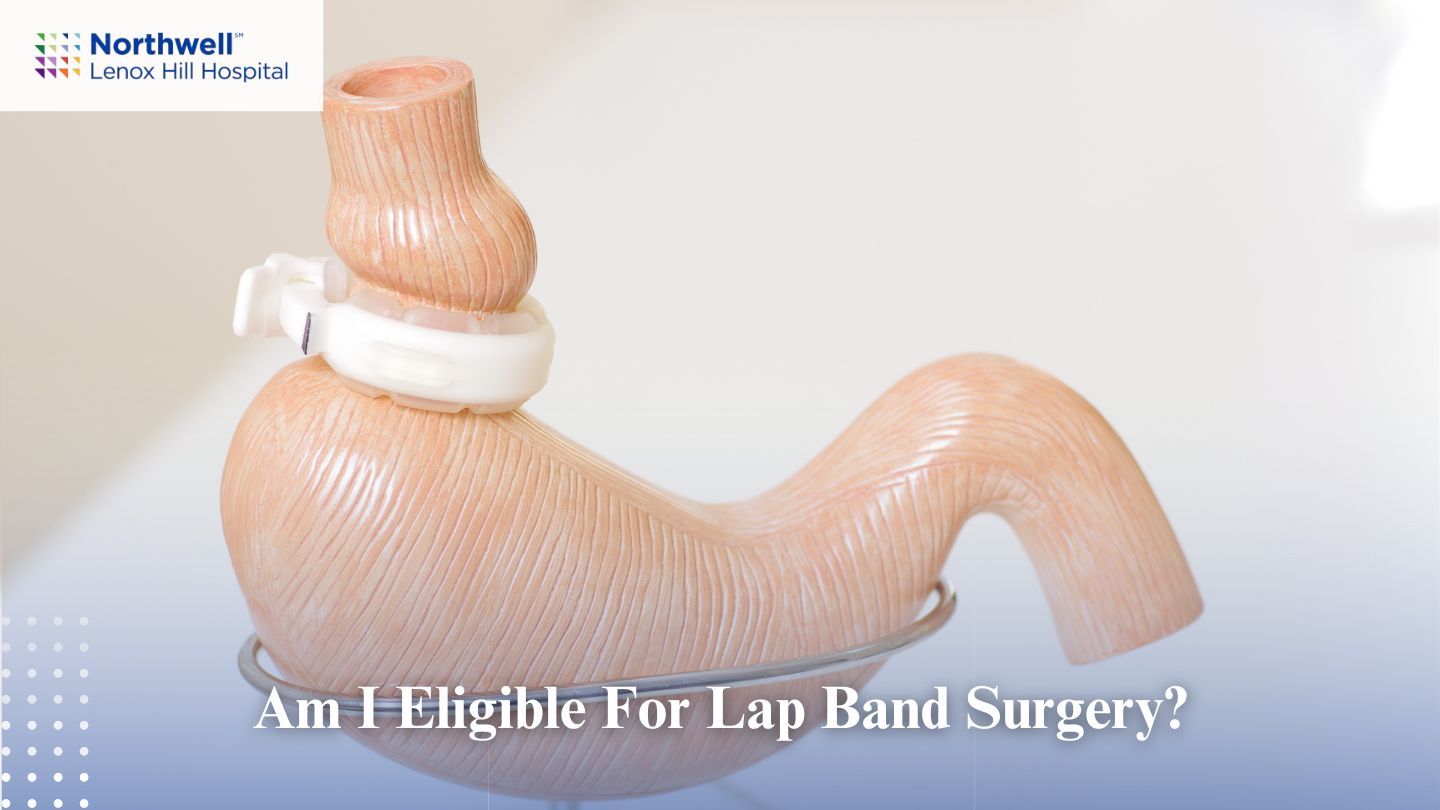
Lap band surgery, also known as adjustable gastric banding or laparoscopic gastric banding, is a minimally invasive procedure that places an adjustable silicone band around the upper stomach to create a smaller stomach pouch. This restricts food intake and increases satiety without bypassing sections of the stomach or intestine. Unlike gastric bypass or sleeve gastrectomy, this adjustable gastric band procedure preserves normal digestion and remains fully reversible.
Choosing to have your lap band surgery in New York City provides access to world-class surgical expertise, cutting-edge medical facilities, comprehensive multidisciplinary care teams, and exceptional post-operative support systems. This blog explores the top benefits of selecting NYC for this life-changing bariatric procedure.
Key Takeaways
- NYC offers access to fellowship-trained bariatric surgeons with extensive experience in minimally invasive surgery and thousands of successful lap band procedures
- Comprehensive support systems, including nutritionists, behavioral health specialists, and insurance coordinators, ensure optimal outcomes
- Advanced medical facilities with state-of-the-art operating rooms, robotic surgery capabilities, and diagnostic imaging equipment
- The city’s accessibility via public transportation makes regular follow-up appointments and band adjustments convenient
- Insurance coverage options in New York are typically more comprehensive, with many plans explicitly covering lap band surgery
Advanced Medical Facilities and Technology
NYC hospitals feature state-of-the-art operating rooms equipped with the latest laparoscopic and robotic surgery platforms. The Lap-Band is considered the least invasive of all weight loss surgeries, as it does not involve cutting, stapling, or rerouting the stomach, unlike gastric bypass or sleeve gastrectomy. NYC facilities maximize this advantage with advanced instrumentation and visualization technology.
Woodhull’s bariatric program incorporates robotic surgery among its offerings, representing the cutting edge of minimally invasive procedure techniques. These technological capabilities translate to smaller incisions, faster recovery, and reduced post-operative discomfort for patients.
Pre-operative evaluation in NYC programs is exceptionally thorough. Patients undergo comprehensive diagnostic workups, including high-resolution imaging such as upper GI series, endoscopies, cardiac evaluations, laboratory panels for diabetes and liver function, and sleep studies when sleep apnea is a concern. This meticulous preparation optimizes patient safety and surgical outcomes.
Comprehensive Multidisciplinary Care Teams
Success with lap band surgery depends heavily on support beyond the operating room, beginning with determining whether a patient meets the eligibility criteria for lap band surgery. Lap band surgery programs assemble comprehensive bariatric teams that include nutritionists, psychologists, exercise specialists, and insurance coordinators working together to support each patient’s journey.
Registered dietitians provide essential guidance both before and after surgery. Because the lap band requires adjustments to eating habits, including consuming solid foods slowly, eating smaller portions, and adapting to post-operative lap band diet requirements, ongoing nutritional counseling is crucial for long-term success. Programs like the Lenox Hill Bariatric Surgery Program explicitly include nutritional counseling and long-term follow-up as core components of care.
Behavioral health evaluation assesses readiness for change, identifies emotional eating patterns, and addresses comorbid conditions. In New York City, many bariatric programs offer comprehensive support, including medically supervised nutritional programs and follow-up care, which are essential for lap band success. Studies demonstrate that patients receiving this comprehensive support show improvements in symptoms of depression and binge-eating disorder at five years post-procedure.
Insurance navigation is another crucial service. NYC programs provide in-house coordinators who assist with prior authorization, verify patient eligibility, and help patients understand their insurance plan requirements. Harlem Hospital Center, for example, includes dedicated assistance for understanding insurance coverage and financial options.
Having 24/7 access to emergency care is a significant safety advantage. NYC’s major hospitals are equipped to handle any complications, such as band slippage or obstruction, providing patients with peace of mind knowing expert care is always available.
Personalized Treatment Plans
The Lap-Band is an adjustable gastric band that can be modified post-surgery to control the rate of weight loss by inflating or deflating the band with saline solution. This adjustability is a defining feature that distinguishes the lap band from other bariatric surgeries.
Patients are required to attend regular follow-up appointments after Lap-Band surgery to adjust the band for optimal weight loss results. The surgeon adjusts the band tightness through a subcutaneous port, fine-tuning restriction based on individual health, weight loss progress, and comfort level.
The Lap-Band’s adjustability allows for changes in tightness based on individual needs, such as accommodating pregnancy or addressing insufficient weight loss. The NYU study demonstrated that patients with a greater number of office visits achieved a higher percentage of excess weight loss, confirming the importance of personalized, ongoing care.
NYC programs also provide post-operative education covering lifestyle modifications, hydration after lap band surgery, exercise integration, and long-term maintenance strategies. Monthly support groups, fitness guidance, and behavioral health tools help many patients sustain their weight loss achievements.
Convenience and Accessibility Benefits

New York City’s extensive public transportation network makes frequent appointments for band adjustments highly convenient. Whether traveling by subway or bus, patients can easily access clinics and hospitals throughout Manhattan, Brooklyn, the Bronx, and Queens.
Patients undergoing lap band surgery experience a faster recovery and can often return to work within one to two weeks after the procedure, though actual timelines vary based on individual healing and adherence to detailed lap band recovery guidelines. Most patients will spend 24 hours in the hospital following Lap-Band surgery, and normal activities can typically be resumed within a week. This recovery time is significantly shorter than that of more invasive procedures.
Flexible scheduling and telemedicine options accommodate busy NYC lifestyles. Virtual follow-ups, tele-nutrition consultations, and online support groups have expanded significantly, making it easier for patients to maintain consistent engagement with their healthcare provider without disrupting work or family obligations.
Lifestyle Integration Support
NYC’s unique dining landscape might seem challenging for bariatric patients, but NYC programs prepare patients with strategies for navigating restaurant meals safely. Education on portion control, menu selection, and eating pace helps patients maintain their new diet while enjoying the city’s culinary offerings.
Fitness program partnerships and exercise specialist consultations help patients incorporate physical activity appropriate to their recovery stage. Full recovery after Lap-Band surgery may take up to six weeks, depending on individual health and adherence to post-operative care, and exercise recommendations are tailored accordingly.
Support groups connect patients with others who understand the lap band journey, fostering community and accountability. These connections prove invaluable for maintaining motivation and addressing challenges that arise during weight loss.
Superior Insurance Coverage and Financial Options
Insurance coverage for bariatric surgery in New York is generally comprehensive. The NYC Employees PPO Plan explicitly lists lap band among covered procedures alongside gastric sleeve surgery, gastric bypass, and other weight loss surgeries.
Medicare covers a lap band when medical necessity criteria are met: typically a body mass index of 35 or higher with a comorbidity, or a BMI of 40 or higher. Prior attempts at non-surgical weight loss are required, and testing plus post-operative services are also covered.
Lap band surgery programs provide pre-authorization assistance and navigate insurance requirements with expertise developed over years of practice. Financial counselors help patients understand their out-of-pocket costs, explore financing options, and maximize employer wellness programs or health savings accounts.
Long-Term Success and Follow-Up Care
Lap band surgery works through sustained restriction that requires ongoing optimization. Compared to gastric bypass, lap band surgery does not cause malabsorption, significantly reducing the risk of long-term nutritional deficiencies such as anemia. This characteristic makes the procedure appealing to many patients who prefer maintaining normal digestive function.
Significant weight loss from lap band surgery can improve or resolve obesity-related conditions such as Type 2 diabetes, high blood pressure, and sleep apnea. The HERO study demonstrated substantial improvements in glucose control, with higher percentages of patients achieving HbA1c levels below 6.5 at one year.
The average weight loss with Lap-Band surgery is about 40% of excess weight over two years, which is generally less than what is achieved with gastric sleeve or gastric bypass surgeries. However, unlike other bariatric surgeries, the Lap-Band procedure is reversible, allowing for the band to be removed without permanently altering the stomach’s structure.
One of the main advantages of Lap-Band surgery is that it is reversible, allowing for the band to be removed without permanently affecting normal digestion, which appeals to many patients seeking flexibility in their weight loss options. If revision or other procedures become appropriate, NYC’s experienced centers offer the full spectrum of bariatric procedures, including sleeve gastrectomy, gastric bypass, and revisional surgery.
NYC’s academic medical centers also offer research participation opportunities, allowing patients access to the latest clinical trials, protocols, and long-term outcome studies.
A Healthier Path Toward Lasting Weight Management

Choosing lap band Surgery in NYC can be a valuable step for individuals seeking a safer and more controlled approach to long-term weight loss, especially when they understand the differences between lap band and gastric sleeve surgery. From improved mobility to better overall health, this procedure offers benefits that support a healthier lifestyle when combined with proper nutrition, regular activity, and ongoing medical guidance.
Lenox Hill Bariatric Surgery Program provides trusted support for patients considering lap band surgery in NYC, helping individuals achieve sustainable weight management goals with personalized care. We also offer gastric sleeve, gastric bypass, SIPS procedure, and revision surgery options designed to meet different health needs. Connect with us today to learn more about the right bariatric solution for your journey toward better health.
Frequently Asked Questions
What makes NYC lap band surgeons different from those in other locations?
NYC lap band surgeons often have fellowship training and have performed exceptionally high volumes of laparoscopic weight-loss operations, some completing over 1,500 procedures. The concentration of accredited Centers of Excellence in the city means patients benefit from surgeons who meet rigorous quality standards and participate in ongoing outcome tracking. Additionally, academic affiliations provide access to the latest techniques and research.
What is the recovery process like for lap band surgery in NYC?
Surgical weight loss procedures like lap band can be performed as outpatient procedures, allowing patients to go home on the same day as their surgery. Patients undergoing lap band surgery experience a faster recovery and can often return to work within one to two weeks. Most patients will spend 24 hours in the hospital following surgery, and normal activities can typically be resumed within a week. Full recovery may take up to six weeks, depending on individual health and adherence to post-operative care.
How often will I need follow-up appointments after lap band surgery?
Patients are required to attend regular follow-up appointments after Lap-Band surgery to adjust the band for optimal weight loss results. During the first year, appointments are typically monthly or every few months for band fills and adjustments. The surgeon adjusts the band by inflating or deflating it with saline solution through a subcutaneous port. After the first year, stable patients generally transition to appointments every three to six months for ongoing monitoring.
Can I travel to NYC just for lap band surgery if I live elsewhere?
Many lap band surgery programs accept out-of-state patients and coordinate care logistics, including insurance verification, pre-operative testing, and surgery scheduling. Post-operative band adjustments may be coordinated with local healthcare providers, though some patients return to NYC for frequent adjustments during the first year. Telemedicine options can supplement in-person care for remote patients.
What happens if I need emergency care after lap band surgery in NYC?
NYC hospitals provide 24/7 emergency services equipped to handle lap band complications such as band slippage, erosion, or obstruction. Major medical centers have surgical teams on call around the clock, ensuring rapid response when urgent care is needed. Your bariatric team will provide emergency contact information and protocols, and being treated at a high-volume center means your surgeons have extensive experience managing any possible complications.