Bariatric surgeries are effective weight-loss solutions. Since there are various options, it can be overwhelming to decide which version is best for you. For the most accurate advice specific to your situation, it is best to consult our surgeons and ask questions about the benefits and risks involved. Here are common types of bariatric surgeries and the factors to consider when choosing the right one.
Gastric Bypass / Roux-en-Y
This is one of the most popular bariatric procedures, and it has a high efficacy rate. It entails creating a tiny pouch in the stomach and then bypassing a section of the small intestines; this decreases food consumption and calorie absorption.
Gastric Sleeve / Sleeve Gastrectomy
If you want a less invasive procedure than a bypass or want to avoid the related risks, you can opt for a gastric sleeve. This procedure entails removing a section of the stomach to leave behind a smaller pouch or sleeve. Your new stomach will be tinier and in the shape of a banana, making you feel full faster. As a result, your food and calorie intake will significantly reduce.
Lap Band / Gastric Banding
If you have a history of acid reflux or heartburn, doctors will recommend this procedure over the two above. It is one of the least invasive and flexible solutions because it involves placing a band around the upper part of the stomach, leaving it smaller. The advantage is that this band can be adjusted or removed as required.
Duodenal Switch
If you are wondering which bariatric surgery is best for you if you want to lose the most weight, consider the duodenal switch. It has one of the highest success rates and is the choice for patients seeking significant weight loss. During the procedure, the doctors remove a portion of the stomach and bypass a large part of the intestines, reducing the amount of food you eat and absorb.
How To Choose the Right Surgery
There are several factors to consider when choosing the right bariatric surgery, but your doctor will take you through the options. For instance, if you are obese and want to lose as much weight as possible, the bypass and duodenal switch are recommended. Your healthy history will also matter because patients with acid reflux issues opt for gastric banding. Lastly, you must also account for the recovery time and the risks involved because each procedure differs.
Trust an Experienced Medical Professional To Handle Your Bariatric Surgery
If you have struggled with weight loss and need an effective solution, trust the bariatric surgery experts in NY from Lenox Hill Bariatric Surgery Program. You need skilled and experienced professionals who will present you with all the options and advise you on which surgery will work best for you.
You have likely heard that chewing gum is one way to help lose weight because it keeps your mouth occupied, reducing your calorie intake. You can’t help but wonder, can you chew gum after bariatric surgery? Read on to find out.
What Happens When You Chew Gum After Weight Loss Surgery?
Chewing gum, especially after a bariatric procedure, is not recommended. Here’s why:
It Contains High Sugar Levels
Reducing the amount of calories is a plus for weight loss, but gum is not a healthy choice. Most products contain too much sugar, sometimes more than 2g in a single stick. Eating more gum a day means consuming more sugar, which is the last thing you want to do when trying to lose weight.
It Causes Bloating
To avoid consuming a lot of sugar through chewing gum, you may opt for calorie-free alternatives, but those, too, are not recommended. When you keep chewing and not eating, chances are high that you take in a lot of air in the process.
The air goes into the digestive system, which is terrible if you have recently had bariatric surgery. For one, the pressure in the stomach increases, which interferes with the recovery process. Secondly, gas builds up, causing pain.
It Irritates the Digestive System
You already know that your digestive tract undergoes several changes post-surgery, and chewing doesn’t help the body adjust. It causes enzyme secretion, which stimulates the bowels and, in turn, causes side effects like diarrhea.
The goal of bariatric surgery is to reduce your craving for food and lower your appetite. However, you notice that chewing on an empty stomach only worsens it because it stimulates your appetite, making you hungry, meaning more food intake.
It May Cause Blockage
This may not be a serious concern for many because not everyone intentionally swallows up gum, but if that happens, then it becomes a problem. As a patient who has recently had alterations to their digestive system, doctors recommend that you properly chew your food. Since gum doesn’t digest like other food particles, swallowing it can block your bowels and, in severe cases, mean a trip back to the doctor to remove it.
Talk To Your Doctor About What You Eat After Gastric Sleeve Procedure
You can chew gum weeks after gastric sleeve, as long as it is sugar-free, but you have to be cautious because of the potential risks. Surgeons advise that you not do it, and as a patient, you would rather not risk it. Chewing gum is not worth it if you want your bariatric surgery in New York to be successful. Contact us at Lenox Hill Hospital for advice about bariatric surgery recovery.
Embarking on a journey toward a healthier self often involves bariatric surgery. A common query that surfaces is how long after bariatric surgery you can swim. This article aims to shed light on this topic, offering insights into the safe resumption of swimming activities post-surgery. Understanding the right time to re-engage with water activities is crucial for your recovery and well-being. Swimming, a therapeutic and rejuvenating exercise, can significantly enhance your post-surgery healing process. However, it’s essential to approach this activity with caution and under medical guidance to ensure your safety and maximize the benefits.
The Road to Recovery: Understanding the Timeline
After undergoing procedures like gastric sleeve or bypass, patients often wonder, can I swim after gastric sleeve? The answer lies in the healing process. It’s crucial to allow your body ample time to recover. Typically, doctors advise waiting two to four weeks before taking a dip. This period ensures that the risk of infection is minimized and the body is adequately healed.
Swimming After Gastric Sleeve: A Safe Bet?
Swimming post-surgery isn’t just safe—it’s beneficial. As a low-impact exercise, swimming after gastric sleeve surgery aids in weight loss, improves muscle tone, and enhances overall flexibility and strength. However, it’s vital to start slow and follow medical advice.
Making a Splash: How Soon Can You Swim After Bariatric Surgery?
The answer to this question is straightforward. Wait for your doctor’s green light, typically a few weeks post-surgery. This waiting period is essential for your safety and well-being.
Embracing Swimming After Bariatric Surgery
For many, swimming is more than exercise—it’s a joy. Swimming after bariatric surgery is a way to celebrate your new lifestyle. It’s not just about losing weight. It’s about gaining a new perspective on life.
Your New Beginning
You’ve gained insights into how long after bariatric surgery you can swim. Now, it’s time to embark on a transformative journey. The experts at Lenox Hill Bariatric Surgery Program, are ready to guide you if you have any questions regarding bariatric surgery in NY. Whether you’re contemplating the life-changing decision of bariatric surgery or seeking tailored advice on post-surgery activities like swimming, their expertise shines as a guiding light. Embrace a new chapter in your life with confidence and joy. Reach out to us today and take a bold step toward a future brimming with health and vitality.
Bariatric surgery can offer life-changing benefits to those dealing with weight issues. It helps in significant weight loss and enhances your quality of life. However, alongside the physical transformations, many patients experience emotional and psychological changes. These experiences are often referred to as mood changes after bariatric surgery. Here, our experts will explore these emotional changes and advise on how you can manage them effectively.
Post-Bariatric Emotional Changes
Many patients report experiencing mood swings after bariatric procedures. This is commonly referred to as emotional changes after WLS (weight loss surgery). The mood swings can range from feelings of euphoria and excitement to bouts of sadness and irritability. Don’t panic because these emotional changes are a normal part of the post-surgery experience.
Causes of Mood Swings After Bariatric Surgery
Several factors can contribute to mood swings after gastric sleeve or other bariatric procedures. The most common factors include:
Hormonal changes: Rapid weight loss can affect hormones like ghrelin and leptin, which influence mood and appetite.
Nutritional deficiencies: Post-surgery dietary restrictions can lead to nutritional deficiencies. This, in turn, affects your emotional well-being.
Body image and self-esteem: As the body undergoes dramatic changes, you may experience shifts in self-esteem and body image perception.
Psychological stress: The stress of adapting to a new lifestyle and managing the expectations of successful weight loss can be emotionally challenging.
Managing Mood Swings After Bariatric Surgery
Patients experiencing mood changes after gastric sleeve surgery can take steps to manage these emotions effectively:
Seek support: Connect with a support group, therapist, or counselor specializing in post-bariatric emotional changes. Talking about your feelings can be incredibly helpful.
Maintain follow-up care: Regular follow-up appointments with our bariatric team are crucial for monitoring your physical and emotional well-being.
Balanced diet and supplements: Ensure you are following your nutritional guidelines and taking prescribed supplements to address potential deficiencies.
Set realistic expectations: Understand that bariatric surgery is a tool, not a magic solution, and that weight loss may not resolve all emotional challenges.
Your Journey To Recovery After Bariatric Surgery
Understanding the causes and effectively managing these mood swings is essential for a successful post-operative journey. Are you considering bariatric surgery in New York? Look no further than our dedicated experts at Lennox Hill Hospital. We will guide you toward better health post-op as we prioritize your emotional well-being as much as your physical health. Contact us to schedule an appointment with us today!
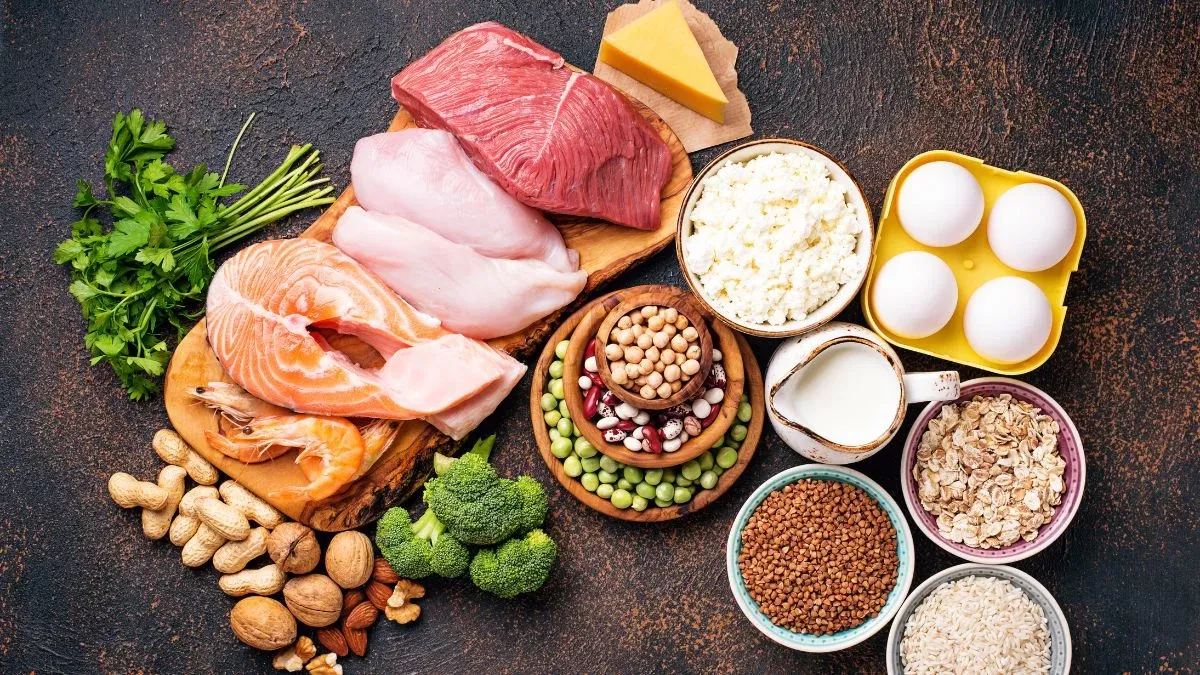
If you have undergone bariatric surgery or are familiar with the process, you understand the importance of making dietary changes to support weight loss. Getting enough protein should be one of the top priorities after the surgery, as it helps in the healing process and keeps the muscles strong. For that reason, our team has taken the initiative to explore the best way to get protein after gastric sleeve surgery by highlighting a list of high-protein foods for bariatric patients. Read on.
1. Fish
Fish are not only high in protein but also provide omega-3 fatty acids. These nutrients are beneficial for heart and general body health. Bariatric patients can enjoy baked or grilled fish to increase their protein intake while maintaining a lean diet.
2. Eggs
Eggs are a fantastic choice for high-protein bariatric foods. They are not just protein-packed but also easy to cook. Besides, their versatility makes them an even greater option. For instance, you can whip up some scrumptious omelets or go for the classic comfort of scrambled eggs.
3. Greek Yogurt
Greek yogurt serves many purposes, and one of them is supplying your body with much-needed proteins. A spoonful of Greek yogurt will also see the intake of probiotics—they are quite helpful in the digestive system. Opt for the plain, non-fat version to keep added sugars at bay.
4. Tofu
If you are following a vegetarian or vegan diet after bariatric surgery, tofu is an ideal plant-based protein source. It is low in fat, high in protein, and highly versatile. From sizzling stir-fries to creamy smoothies, tofu will make your post-surgery journey easier
5. Cottage Cheese
Cottage cheese is another dairy delight for bariatric patients looking to pump up their protein intake. It is soft, easy to eat, and perfect for those of us in the early stages of post-surgery eating.
When it comes to high-protein foods for gastric sleeve patients, remember to keep your meals small and frequent. When you do so, you give your body the nutrients it requires throughout the day. Keep an eye on the portions, as too much intake might not be ideal. Also, remember to consult with your healthcare provider or a registered dietitian to determine your specific protein requirements.
Incorporating high-protein foods into your diet is essential for bariatric patients. At Lenox Hill Hospital, we are committed to helping you achieve the best results after gastric sleeve in NYC. Our bariatric surgery in NYC has helped many people in a situation like yours understand what it takes to go through it successfully. Book your consultation today!
Several studies support the need for weight loss for persons with high blood pressure, obesity-related conditions like obstructive sleep apnea, type 2 diabetes, BMI of around 35–39.9, or any other life-threatening condition. However, undergoing a bariatric or weight loss surgery requires you to meet certain criteria. Read on to know who is a good candidate for bariatric surgery.
What Are the Qualifications for Bariatric Surgery?
The Body Mass Index estimates body fat, with BMIs above 30 considered obese, 35–50 being morbidly obese, and above 50 being extreme obesity. The National Institute of Health lists the following qualifications for bariatric surgery.
Your BMI Is at 35 To 39.9 and You Have a Serious Health Condition
While your BMI may not clock 40, certain obesity-related conditions can point out the need for bariatric surgery. This is because the presence of a life-threatening condition may require bariatric surgery to prevent it from escalating.
Your Body Mass Index Is Over 40
A BMI of 18.5–24.9 is normal. Therefore, a person who is a good candidate for bariatric surgery must have a BMI of 40 or more and 100 pounds over their normal weight. A BMI above 40 puts an individual at risk of health complications and suggests the time to try a new weight loss approach to shed the weight they’ve been struggling with for a long time.
Your Weight Loss Efforts Through Other Options Have Failed
A person who is a candidate for bariatric surgery must have tried several weight loss options in vain. During your appointment, your surgeon will ask about previous attempts and medical history. If you previously signed up for supervised diets and ended up in repeated failure cycles, then a weight loss surgery could be the win for you.
Am I a Candidate For Weight Loss Surgery?
In addition to the above qualities, you are qualified for weight loss surgery if you want to improve your overall lifestyle, including your mental and physical health. By losing weight, you will reduce the risks of obesity-related conditions and stress on your joints. Bariatric patients also report increased happiness and self-confidence, boosting their mental health.
Bariatric surgery is a life-changing step toward better health, but it comes with strict lifestyle changes, especially when it comes to alcohol. While it’s common to wonder, can you drink alcohol after gastric sleeve?, the answer isn’t simple. Whether it’s a special occasion or just a night out with friends, drinking after surgery affects your body very differently than it did before.
If you’re adjusting to life after weight loss surgery, here’s what you need to know before raising a glass.
Why Alcohol Affects You Differently After Bariatric Surgery
After bariatric procedures like gastric sleeve or gastric bypass, your stomach is smaller and food (and liquids) pass through faster. This means alcohol enters your bloodstream much quicker than it used to, and stays there longer.
That’s why alcohol after gastric sleeve often results in:
Feeling drunk after just one drink
Higher blood alcohol levels from less alcohol
A longer time for alcohol to leave your system
Establishing healthy eating patterns after weight loss surgery is essential for long-term success, emphasizing protein-rich meals, proper hydration, and gradual diet transitions that support healing and sustained weight control. These dietary foundations help your body cope better with the additional stress that alcohol can cause.
Is It Safe to Drink Alcohol After Surgery?
In the short term, the risks are significant. During the first several months after surgery, your body is healing, adjusting to reduced calories, and re-learning how to process nutrients. Adding alcohol into the mix can interfere with recovery and lead to complications such as:
Dehydration
Ulcers or inflammation
Low blood sugar (especially if you’re not eating properly)
Understanding foods to avoid after bariatric surgery, including fried items, sugary drinks, and hard-to-digest meats, helps protect the stomach and maintain steady weight-loss progress. Keeping these foods out of your diet also lowers the risk of nutrient imbalances that alcohol can worsen.
When Can You Drink Alcohol After Gastric Sleeve?
This question comes up frequently: can I drink alcohol after gastric sleeve, and if so, when? Most bariatric programs recommend avoiding alcohol for at least six months. That’s not just to protect your stomach, it’s also because alcohol has empty calories, offers no nutritional benefit, and can interfere with weight loss.
If your doctor gives the green light later on, start cautiously:
Choose low-alcohol options
Sip slowly
Never drink on an empty stomach
Avoid sugary mixers and cocktails
Even after a year, drinking after gastric sleeve shouldn’t feel like “going back to normal.” It’s a new relationship with alcohol, and one that requires care.
The first year after bariatric surgery is critical for adapting to new eating habits, maintaining vitamin support, and building daily routines that promote healthy, lasting results. Staying focused on these habits creates a stronger foundation if and when you reintroduce alcohol later.
What About Alcohol Tolerance?
Many people assume they can return to their old habits after enough time passes. But can you drink the same amount as before surgery? Definitely not. Bariatric patients often experience:
A drastically lower tolerance
Faster onset of intoxication
Stronger and longer-lasting effects
One drink might hit you like three. Your body simply doesn’t break it down the way it used to. This is why alcohol after bariatric surgery needs to be approached with extreme caution, even for seasoned drinkers.
Recognizing the foods to avoid after gastric bypass surgery, such as carbonated beverages and high-fat meals, reduces digestive stress and supports long-term health goals. Limiting these foods is especially important when alcohol is added to your diet, as they can compound digestive discomfort.
Alcohol and the Risk of Addiction After Surgery
One of the most important concerns is the potential for transfer addiction. After surgery, some patients who once relied on food for comfort turn to alcohol instead. It’s not just a theory, it’s backed by research.
Studies have shown that drinking alcohol after gastric sleeve or bypass surgery increases the risk of developing alcohol use disorder (AUD). Post-op patients are more likely to:
Drink more frequently than intended
Use alcohol as a stress-reliever
Struggle to control consumption once started
This is especially dangerous when combined with reduced tolerance. The combination of biological changes and emotional triggers makes alcohol a high-risk substance for those who’ve had bariatric surgery.
How to Socialize Without Alcohol
You don’t have to give up fun, but it might help to redefine what that looks like. There are many ways to enjoy social gatherings without putting your health at risk:
Sparkling water with fruit
Sugar-free mocktails
Herbal iced teas or zero-calorie mixers
Avoiding alcohol entirely may be the safest long-term option. If that’s not your goal, it’s still important to understand the risks and set boundaries. Talking to your doctor or dietitian about your plans is a smart first step.
What Do Bariatric Experts Recommend?
Most bariatric teams take a conservative approach. Even if they don’t ban alcohol forever, they’ll encourage patients to wait as long as possible before reintroducing it, and to proceed carefully if they do.
If you’re wondering can you drink alcohol after gastric sleeve, your care team will likely want to assess:
Your weight loss progress
Your overall health
Your relationship with food and alcohol
Your support system
They may also offer referrals to a behavioral health specialist if there are concerns about dependency.
Red Flags to Watch For
If you’ve already started drinking again after surgery, be aware of these signs:
Needing alcohol to relax or cope with emotions
Feeling guilty after drinking
Drinking more than intended
Lying about alcohol use
These could indicate a deeper issue, and it’s never too early to seek support.
Final Thoughts
Bariatric surgery changes everything, including how your body processes alcohol. While drinking alcohol after gastric sleeve may be allowed eventually, it’s not without real risks. Reduced tolerance, increased chance of addiction, and higher sensitivity mean that even occasional drinking must be treated with care.
If you’re unsure when, or if, alcohol can be safely reintroduced, consult with your bariatric care team. Long-term success means protecting the investment you’ve made in your health. For patients considering gastric sleeve in New York or seeking ongoing post-surgery care, the Lenox Hill Bariatric Surgery Program provides expert guidance and comprehensive support.
Bariatric surgery, a transformative procedure for individuals dealing with obesity, often leaves patients curious about when they can safely resume driving. This article will answer the common questions surrounding driving after bariatric surgery.
Driving After Bariatric Surgery
The timeline for post-bariatric surgery driving varies from person to person, depending on their physical condition and how their body responds to the procedure. Recovery experiences differ, but some general guidelines can help determine how long after gastric sleeve surgery you can drive.
Many recovering patients can undertake light driving tasks that don’t demand significant physical exertion. However, operating a manual transmission vehicle may pose challenges, particularly in the early stages of recovery. The key to determining your readiness to drive is prioritizing safety, both for yourself and others on the road.
So, how soon after gastric sleeve can you drive? On average, most patients can safely return to driving approximately 24 hours after their bariatric surgery. Nonetheless, it is vital to consult your healthcare provider and secure their clearance before getting behind the wheel. Your doctor understands your medical history and can offer personalized advice regarding the optimal time to resume driving.
Now that you know how soon you can drive after gastric sleeve surgery, here are some essential safety tips to consider:
Mental preparation: Bariatric surgery and the subsequent recovery period can be emotionally and physically taxing. Mentally prepare yourself for the act of driving again. If you have any anxieties or uncertainties, discuss them with your healthcare provider.
Start with short trips: As you ease back into driving, begin with shorter journeys to regain confidence and assess your comfort level. Gradually increase the duration and distance of your drives as you become more at ease.
Stay hydrated: It is helpful to stay hydrated while on the road. Dehydration after undergoing a bariatric surgery can result in loss of consciousness and lightheadedness. This is very dangerous when driving.
Comfortable clothing: When driving, go for loose-fitting and comfortable attire. This choice minimizes discomfort arising from pressure on your surgical site.
Bariatric surgery is a significant step toward improved health. Understanding when it is safe to resume driving is a crucial aspect of the recovery journey. Our experts are ready to guide you if you have any questions regarding bariatric surgery in NY Through successful bariatric surgery, Lenox Hill Bariatric Surgery Program has helped many patients regain their health and confidence. Contact us today to schedule your appointment.
Carbonated beverages have long held a place in the diets of many individuals. However, for those who have undergone gastric sleeve surgery, the question of whether they can indulge in carbonated drinks becomes a subject that warrants thoughtful contemplation. Read on to find out when you can have soda after a gastric sleeve surgery.
What Are Carbonated Drinks?
Carbonated drinks are beverages infused with carbon dioxide gas under pressure, creating delightful bubbles that tickle our taste buds and provide a refreshing sensation. They are known for their fizzy and effervescent quality, making them a popular choice for quenching thirst and enjoying a range of flavors.
The Risks of Carbonated Drinks
Recovering gastric sleeve surgery patients are typically advised to stay away from carbonated beverages due to the various potential risks and complications they pose.
Bloating: One of the primary concerns associated with drinking soda after gastric sleeve is the potential for uncomfortable bloating. This discomfort arises as the gas trapped within the bubbles expands within the stomach.
Excess gas: Drinking soda after gastric sleeve surgery can result in the ingestion of excess air, leading to excessive gas production and discomfort.
Stomach stretching: Gastric sleeve surgery involves the reduction of the stomach’s size, and consuming carbonated drinks may stretch the newly formed stomach pouch. This potentially compromises the surgery’s effectiveness.
Suppresses nutrient absorption: The carbonation in these drinks can hinder nutrient absorption in the small intestine, which is crucial for post-surgery recovery.
So, when can you have carbonated drinks after gastric sleeve? During the initial 6 to 12 weeks following the surgery, we strongly recommend refraining from the consumption of all carbonated drinks. Extending this period may offer even greater benefits for a smoother recovery and successful long-term weight loss.
But what about the long term? Can you drink soda a year after gastric sleeve? The answer isn’t a simple yes or no. Many healthcare professionals suggest that it’s best to approach carbonated beverages with caution even after the initial recovery period. While some individuals may tolerate them better than others, it’s crucial to consult your healthcare provider for personalized guidance on when you can have carbonation after gastric sleeve.