...
Skip to main content
186 East 76th St First Floor, NY 10021

Tag: Bariatric Surgery

Why New Yorkers Seek Bariatric Surgery During the Winter Blues

New York winters bring long nights, freezing temperatures, and emotional strain that can intensify weight struggles for many residents. For individuals living with obesity, seasonal depression, and comfort eating often create a frustrating cycle that feels impossible to break. In this blog, we explore why winter becomes a turning point for many New Yorkers considering bariatric surgery, how the season influences motivation and recovery planning, and what to expect when beginning a weight loss journey during the colder months. 

Key Takeaways

  • New York’s long, dark winters (typically December–March) intensify seasonal depression and emotional eating, pushing many residents with obesity to consider bariatric surgery as a lasting solution.
  • Winter scheduling advantages in NYC, slower social calendars, more remote work, and school breaks, make it easier to plan surgery and recovery discreetly.
  • Starting bariatric surgery in winter positions patients to see noticeable weight loss and health improvements by late spring and summer.
  • Many New Yorkers who pursue winter bariatric surgery are also managing seasonal affective disorder (SAD), anxiety, or binge eating, and need integrated mental health support.
  • With a qualified bariatric team, thorough psychological screening, and structured aftercare, winter can be a safe and strategic time to begin a long-term weight loss journey.

Winter Blues and the NYC Bariatric Trend

Picture New York City in January: short days that end before you leave the office, gray skies pressing down on the skyline, and icy sidewalks that make even a quick walk to the subway feel exhausting. For many New Yorkers, this atmosphere does more than dampen the spirit; it intensifies what we often call the “winter blues,” a period when mood dips, energy fades, and comfort food becomes a constant companion.

Obesity rates in New York State remain significant, with estimates around 27–30% of adults in metropolitan areas qualifying as obese. Many of these individuals meet the criteria for bariatric surgery, whether that’s a BMI of 40 or higher, or a BMI of 35 with related health conditions like diabetes, high blood pressure, or sleep apnea. Bariatric surgeons across New York, including programs at other major centers, have noticed a predictable pattern: consultations rise between November and February as people search for something more permanent than another fad diet or another New Year’s resolution that fades by March.

How the Winter Blues Affect Weight, Mood, and Motivation

The “winter blues” are more than just feeling a little down when the weather turns cold. For many adults in the Northeast, this seasonal shift crosses into Seasonal Affective Disorder (SAD), a form of depression that peaks between late fall and early spring. Research suggests SAD affects 5–10% of populations at northern latitudes, with even higher rates in regions like New York, where winters are long and light exposure is limited.

Here’s how the season affects weight, mood, and the motivation to make changes:

  • Reduced daylight disrupts brain chemistry. In NYC, sunsets arrive before 5 p.m. throughout December and much of January. This shortened light exposure affects serotonin and melatonin production, contributing to fatigue, low mood, and increased carbohydrate cravings.
  • Comfort eating becomes a coping mechanism. When stress and cold combine, many New Yorkers turn to food for relief: bagels, pizza, rich takeout, and holiday sweets. Staying indoors more means fewer daily steps and less exercise, compounding the problem.
  • Seasonal habits fuel gradual weight gain. For individuals already struggling with obesity or disordered eating patterns like binge eating disorder or night eating syndrome, winter creates a perfect storm for weight gain and emotional distress.
  • Repeated cycles create a breaking point. Many patients describe years of winter weight gain followed by spring diets that never quite work. Over time, this cycle erodes hope and leads some to view surgery as the only durable solution to finally lose weight and keep it off.
  • Depression and obesity share biological pathways. Research shows obese patients face 55% higher risk of depressive symptoms, and inflammation, hypothalamic dysregulation, and gut-brain axis changes link the two conditions in ways that diet alone rarely addresses.

For many, the winter blues aren’t just about mood; they’re about feeling trapped in a body and a pattern that feels impossible to escape.

Why Winter Is a Strategic Time for Bariatric Surgery in New York

Beyond the emotional drivers, winter offers surprisingly practical advantages for scheduling bariatric procedures in NYC. Many patients find that the season’s natural rhythms align well with the demands of surgery and recovery.

After the December holidays, social calendars tend to quiet down. January through March brings fewer weddings, outdoor gatherings, and food-centric celebrations. This makes it easier to commit to a pre-operative diet, schedule a surgery date, and protect 2–4 weeks for reduced activity without feeling like you’re missing out on life.

Winter clothing offers another unexpected benefit. Heavy coats, layers, and scarves make it simple to conceal surgical garments, small incisions, and early body changes. For New Yorkers returning to work or navigating public transit, this privacy can reduce stress and self-consciousness during the most vulnerable weeks of recovery.

The typical timeline works well for winter planning:

PhaseTimingActivities
Initial consultationsOctober–DecemberResearch programs, attend seminars, and verify insurance
Pre-operative clearancesDecember–JanuaryMedical evaluations, nutrition visits, and psychological screening
SurgeryJanuary–MarchProcedure scheduled around work and family support
Peak results visibleApril–JuneNoticeable weight loss, improved mobility, and energy gains

During this stage, patients also complete detailed lab work and imaging as part of the tests that are done before gastric bypass surgery VSG, ensuring they are medically prepared and fully informed before proceeding.

Psychological Drivers: From Seasonal Depression to Bariatric Decision

Psychological Drivers: From Seasonal Depression to Bariatric Decision

It’s important to acknowledge that many New Yorkers seeking winter bariatric surgery aren’t just dealing with weight; they’re also battling depression, anxiety, or eating disorders that intensify when days are shorter, and routines fall apart.

Research consistently shows higher rates of major depression, binge eating disorder, and night eating syndrome among those with severe obesity. In fact, studies indicate that roughly 45% of bariatric candidates present with preoperative depression. This isn’t a coincidence; obesity and depression share biological mechanisms, including chronic inflammation and disrupted hunger signals involving the hunger hormone ghrelin.

The holiday season often serves as a trigger. From Thanksgiving through New Year’s, many people experience a surge of shame about weight, pointed comments from family, or the failure of yet another diet. By early January, consultations spike as people look for a way to break the cycle once and for all.

Many patients describe using food as their primary way to cope with stress, loneliness, or seasonal sadness. They see surgery not as an escape, but as a chance to fundamentally change their relationship with eating and regain a sense of personal control.

Reputable NYC bariatric programs require psychological evaluation before surgery. This isn’t about gatekeeping; it’s about ensuring patients have realistic expectations, identifying issues like major depression or disordered eating that need support, and helping build coping tools beyond food.

Surgery is a powerful tool, but it’s not a quick fix for mental health. Patients should expect to work with therapists, support groups, or psychiatrists alongside their weight loss treatment. That integrated approach leads to better outcomes and addresses the human needs that no procedure alone can solve.

Bariatric Options New Yorkers Commonly Choose in Winter

Bariatric surgery in NYC hospitals and accredited centers typically involves minimally invasive approaches. Most procedures today are laparoscopic (96–98% of cases), and some centers offer robotic-assisted techniques for added precision.

Here are the most common procedures and why they appeal to patients making winter decisions:

  • Sleeve gastrectomy – This procedure removes a portion of the stomach, reducing its volume and lowering production of the hunger hormone ghrelin. It now accounts for over 74% of bariatric surgeries nationwide due to its effectiveness, lower invasiveness, and strong evidence base. Many patients choose it for its straightforward approach and reliable results.
  • Gastric bypass (Roux-en-Y) – This procedure reroutes part of the small intestine to reduce absorption and alter gut hormones. It remains a strong option for patients with more complex health conditions, including severe diabetes or those who haven’t succeeded with other approaches.

Some patients with higher BMIs or complex metabolic conditions also compare SADI vs duodenal switch and the key differences in bariatric surgery, especially when evaluating procedures that combine restriction and malabsorption for more substantial long-term weight loss.

  • Endoscopic sleeve gastroplasty (ESG) – Select New York centers offer this incision-sparing endoscopic procedure for patients seeking less invasive options. While it produces more modest weight loss, it appeals to those who want to avoid traditional surgery.

These procedures help many patients achieve lasting weight loss, lower their risk of type 2 diabetes, reduce high blood pressure, improve sleep apnea, and decrease the chances of heart disease and cancer. The quality of life improvements, more energy, better mobility, and renewed confidence often motivate the decision to move forward during winter.

New York’s major hospital systems and specialized weight management centers often have established winter programs, including pre-operative education classes and online support tailored to working professionals. When researching options, look for board-certified bariatric surgeons, centers of excellence, and programs that emphasize both physical and psychological aftercare.

Unique Challenges of Winter Recovery in New York City

While winter offers scheduling advantages, recovering from surgery in a dense, cold city like New York comes with real obstacles. Knowing these challenges upfront helps patients prepare and stay on track.

Concrete challenges include:

  • Navigating icy sidewalks and subway stairs with reduced energy and post-surgery soreness can feel daunting, especially in the first two weeks.
  • Limited daylight makes it harder to stay motivated for the short daily walks that aid recovery and support mental health. Many patients benefit from guidance on what to know about exercising after bariatric surgery, particularly when outdoor movement feels less accessible.
  • The temptation of hot, calorie-dense comfort foods and heavy takeout is strong when cooking feels tiring, and the weather is miserable.

Practical preparation tips:

  • Plan safe indoor walking routes before surgery, apartment building hallways, indoor gyms, shopping centers, or even walking laps in your living room.
  • Stock up on winter-friendly, physician-approved high-protein soups and soft foods ahead of your procedure so you’re not scrambling post-surgery.
  • Arrange transportation for post-operative follow-ups. Car services, family rides, or remote work arrangements help you avoid crowded trains and slippery platforms during initial recovery.
  • Consider light therapy lamps to counter SAD symptoms. Virtual support groups and regular therapy sessions can help manage the emotional swings that sometimes come with rapid life changes post surgery.

Bariatric teams in NYC often adapt follow-ups with telehealth visits during winter storms or extreme cold, making recovery smoother even when getting to an office feels impossible. The key is planning ahead and being honest with yourself about the support you’ll need.

Planning Ahead: Turning Winter Blues Into a Spring Transformation

Planning Ahead: Turning Winter Blues Into a Spring Transformation

For New Yorkers considering surgery, winter can be a season of preparation and purposeful action. By investing in surgery and lifestyle changes during the hardest months of the year, many New Yorkers emerge into spring feeling lighter, more energetic, and more hopeful about their long-term health. Much of that transformation unfolds during the first year after bariatric surgery, when patients experience the most rapid physical and behavioral changes. The winter blues that once felt like a trap become the catalyst for lasting transformation.

Here’s a step-by-step approach:

Late fall (October–November):

  • Research NYC bariatric centers and their success rates
  • Attend free information sessions or seminars
  • Confirm your insurance requirements and coverage for procedures

Early winter (December–January):

  • Complete medical clearances with your doctor
  • Schedule nutrition visits and begin learning your post-surgery diet
  • Undergo psychological evaluation to ensure readiness and address any mental health history
  • Begin any supervised pre-operative diet your program requires

Mid-winter (January–March):

  • Schedule your surgery date to align with work schedules, school calendars, and available support at home
  • Arrange time off and line up help for the first weeks of recovery
  • Prepare your home with appropriate foods, comfortable recovery areas, and transportation plans

Set realistic winter goals. This isn’t about perfection; it’s about consistent progress. Focus on pre-operative changes like reducing sugary drinks, practicing mindful eating, and starting gentle daily walks even when motivation feels low.

Build your support network. Identify family members, coworkers, or friends in New York who can help with grocery runs, childcare, or walking companionship during those first weeks post-surgery. You’re not doing this alone.

By investing in surgery and lifestyle changes during the hardest months of the year, many New Yorkers emerge into spring feeling lighter, more energetic, and more hopeful about their long-term health. The winter blues that once felt like a trap become the catalyst for lasting transformation.

Final Thoughts

New York’s long, dark winters often intensify seasonal depression, emotional eating, and weight gain, pushing many residents to seek a more permanent solution than another short-lived diet. As this blog explored, winter can become both an emotional tipping point and a practical opportunity, offering quieter schedules, easier recovery planning, and a clear runway toward visible spring results. With proper medical screening, psychological support, and structured aftercare, beginning a bariatric journey during the colder months can transform the “winter blues” into a powerful starting point for long-term health improvement.

For those considering bariatric surgery in New York, the Lenox Hill Bariatric Surgery Program provides comprehensive, evidence-based care that integrates medical evaluation, psychological readiness, and long-term support. Patients can explore established procedures such as gastric bypass, gastric sleeve, and adjustable gastric banding, as well as minimally invasive options like endoscopic sleeve gastroplasty. With a dedicated team and a personalized treatment plan, winter can mark the beginning of a safer, supported, and sustainable transformation toward better health in the year ahead. Contact us today to schedule a confidential consultation and learn more about your options for New York bariatric surgery.  

Frequently Asked Questions

Is winter really safer or better for bariatric surgery than other seasons?

Bariatric surgery safety does not depend on season; outcomes remain consistent year-round with experienced teams. Winter feels advantageous for lifestyle reasons, easier scheduling, fewer food-centered events, and layered clothing. The ideal timing depends on readiness, insurance approval, health status, and support.

How long before I see results if I have bariatric surgery in January in New York?

Most patients notice changes in energy and clothing fit within 6–12 weeks. January surgery often means visible weight loss by spring, with steady progress over 12–18 months. Results depend on procedure type, nutrition adherence, activity, and conditions.

Will winter depression or SAD get better after bariatric surgery?

Surgery may improve mood as weight decreases and mobility increases, but it does not directly treat depression or SAD. Some patients experience emotional fluctuations postoperatively. Ongoing mental health support before and after surgery improves long-term stability and outcomes.

Can I still commute on the subway after surgery in cold weather?

Light walking is encouraged soon after surgery, but strenuous activity and prolonged standing should be limited initially. Many patients arrange temporary transportation alternatives during early recovery. Resume commuting based on your surgeon’s guidance and overall physical progress.

How do I manage holiday events if my surgery is scheduled in winter?

Plan ahead with your bariatric team to align holiday meals with preoperative guidelines. Focus on protein, bring appropriate dishes, limit alcohol, and set boundaries. Preparation and support help maintain progress without sacrificing seasonal celebrations.


Woman Drinking Protein Shake

5 High-Protein Shakes Ideal for Post-Bariatric Diets

After undergoing bariatric surgery, one of the most important aspects of your recovery and long-term success is proper nutrition. Because your stomach size and absorption capacity are reduced, it becomes harder to get enough nutrients, especially protein, through food alone. That’s where protein shakes for bariatric patients play a vital role.

These shakes are designed to be easy to digest, nutrient-rich, and high in protein while remaining low in sugar and calories. Whether you’ve had a gastric sleeve, gastric bypass, or another weight loss surgery, choosing the best protein shakes for bariatric patients can significantly impact your healing and results.

Why Protein Is Essential After Bariatric Surgery

Protein is the foundation for tissue repair, energy, and immune support. After surgery, your body relies on protein to help wounds heal, prevent muscle loss, and support fat burning. Since your intake is limited, protein drinks for bariatric patients provide a convenient and effective solution to meet daily requirements.

Most patients need 60–80 grams of protein per day, though this can vary depending on your specific surgery. Protein shakes after gastric bypass or sleeve surgery make it easier to meet this goal, especially during the early stages when solid food may still be difficult to tolerate.

Choosing the best protein drink for bariatric patients means focusing on those that are high in protein, low in sugar, and enriched with vitamins and minerals. Along with shakes, incorporating a variety of high-protein foods for bariatric patients can help sustain energy levels, improve muscle recovery, and make your post-surgery diet more satisfying.

  • High in protein (at least 20g per serving)
  • Low in sugar (less than 5g)
  • Easily digestible (whey isolate or plant-based)
  • Enriched with vitamins and minerals

Now, let’s dive into the top five best protein shakes for after surgery, delicious, balanced, and bariatric-approved.

1. Chocolate Peanut Butter Protein Shake

Rich, creamy, and satisfying, the chocolate peanut butter protein shake is a classic post-surgery favorite. Each serving typically contains 25–30 grams of protein, providing long-lasting energy while keeping you full between meals.

The combination of whey protein and peanut butter delivers a balance of healthy fats and essential amino acids, helping repair tissues and build lean muscle mass. Because it’s low in sugar and high in flavor, it’s one of the best protein shakes for bariatric patients who crave something indulgent without compromising their diet.

2. Vanilla Bean Protein Shake

2. Vanilla Bean Protein Shake

If you prefer a simple and light flavor, the vanilla bean protein shake is perfect. It’s smooth, easy to digest, and can be customized with fruits, cinnamon, or a drop of almond extract for extra taste.

With about 25 grams of protein per serving, it’s a great choice for gastric sleeve patients or those just beginning to transition from liquid to soft foods. Because of its mild flavor, it’s also excellent for patients with sensitive stomachs after surgery.

This shake remains one of the best protein shakes for gastric sleeve patients and a staple in many post-op diets.

3. Strawberry Banana Protein Shake

For those who like a refreshing fruit twist, the strawberry banana protein shake offers natural sweetness and plenty of nutrients. It’s made with high-quality whey or pea protein and is packed with antioxidants, fiber, and vitamin C,  all of which help your body recover faster.

It’s particularly beneficial as a mid-morning or afternoon pick-me-up when energy dips. Light on the stomach and rich in essential nutrients, this drink is among the most well-balanced protein shakes for bariatric patients.

4. Mint Chip Protein Shake

Refreshing and flavorful, the mint chip protein shake adds variety to your post-surgery routine. It’s rich in 25–30 grams of protein, low in sugar, and helps curb sweet cravings.

The cooling mint can also ease nausea,  a common side effect during early recovery. For this reason, it’s one of the best protein shakes for after surgery, especially when you’re craving something sweet but light.

Blend it with a few ice cubes and sugar-free chocolate chips for a texture boost that feels indulgent yet stays healthy.

5. Orange Creamsicle Protein Shake

The orange creamsicle protein shake delivers a nostalgic flavor that combines citrus and vanilla in a smooth, refreshing way. It typically contains 20–25 grams of protein and essential nutrients like calcium and vitamin D, both of which support healing and bone health.

This shake works beautifully for gastric bypass patients who need variety in their protein intake without feeling overly full. It’s gentle on the stomach, easy to digest, and helps maintain hydration while keeping you nourished.

How to Choose the Right Protein Shake After Bariatric Surgery

When selecting the best protein shakes for bariatric patients, check the nutrition label carefully. Look for:

  • Whey isolate or plant-based protein (for better absorption)
  • Low sugar (less than 5g per serving)
  • Moderate calories (around 150–200 per shake)
  • Essential vitamins (especially B12, iron, and calcium)

Avoid shakes with artificial sweeteners, heavy fats, or fillers; these can cause bloating or interfere with digestion after surgery. If you’re struggling with tolerance, consult your bariatric team about the best protein shakes for gastric sleeve patients or protein drinks for bariatric patients suited to your unique needs.

Tips for Drinking Protein Shakes After Gastric Bypass or Sleeve

Tips for Drinking Protein Shakes After Gastric Bypass or Sleeve
  • Start slow: Introduce shakes in the first few days after surgery when solids are restricted.
  • Sip throughout the day: Drinking slowly helps prevent discomfort or nausea.
  • Stay consistent: Protein should be part of every meal or snack plan.
  • Vary your options: Rotate between chocolate, fruit, and vanilla flavors to avoid boredom.
  • Don’t skip hydration: Complement shakes with plenty of water.

Regular use of protein shakes after gastric bypass or sleeve surgery ensures better healing, stable energy, and long-term weight maintenance.

Conclusion

Getting the right amount of protein after bariatric surgery is crucial for recovery, healing, and maintaining long-term weight loss results. The best protein shakes for bariatric patients make it easy to meet your daily nutrition goals without straining your digestive system. From creamy chocolate blends to refreshing fruit-based options, each shake offers essential nutrients that promote muscle preservation, boost energy, and support your body’s transformation after surgery. Consistency is key; integrating protein shakes after gastric bypass or sleeve surgery into your routine can make a remarkable difference in your overall success and well-being.

For patients seeking expert guidance on nutrition and post-surgery care, the Lenox Hill Bariatric Surgery Program provides personalized support every step of the way. Our specialists offer customized meal plans, long-term weight management strategies, and advanced bariatric care tailored to your unique health goals. To learn more about bariatric nutrition, recovery, and ongoing support, visit NYC Bariatrics,  your trusted destination for comprehensive bariatric care in New York City.

FAQs About Protein Shakes for Bariatric Patients

How many protein shakes should I have per day after surgery?

Usually, 1–2 shakes per day, depending on your surgeon’s advice and your dietary plan.

Can protein shakes replace meals permanently?

Initially, yes,  but over time, they should complement small, balanced meals.

What’s the best protein shake for gastric sleeve patients?

Low-carb, high-protein options like vanilla bean or strawberry banana are ideal.

Are homemade protein shakes a good option?

Yes, you can blend your own using protein powder, milk alternatives, and fresh fruit.

How long should I continue drinking protein shakes after surgery?

Many patients incorporate them long-term to meet daily protein goals and support maintenance.

Women Holding Weights On A Sidewalk

What To Know About Exercising After Bariatric Surgery

After undergoing bariatric surgery, your journey toward a healthier, more active lifestyle doesn’t end in the operating room; it’s just beginning. Regular exercise after bariatric surgery is one of the most effective ways to maintain weight loss, build strength, and improve your overall well-being.

While surgery helps reduce calorie intake and limit stomach size, consistent movement helps your body adjust, increases energy levels, and protects your long-term success. But knowing “when can I exercise after bariatric surgery” and which activities are safe is crucial to ensure a smooth recovery and long-term success after your procedure.

Why Exercise Matters After Bariatric Surgery

Physical activity plays a key role in helping bariatric patients reach and maintain their ideal weight. Beyond burning calories, exercise helps strengthen muscles, improve heart health, and prevent the loss of lean body mass that can occur during rapid weight loss.

Engaging in regular exercise after bariatric surgery also helps boost mood, increase energy, and improve self-confidence. It’s a valuable tool for adjusting to your new lifestyle and preventing future weight regain. Understanding the relationship between bariatric surgery vs. diet and exercise can also help patients make informed decisions about their long-term weight management and health goals.

Some patients worry about why you should not exercise after weight loss surgery, fearing that early activity could cause complications. However, when done gradually and under medical supervision, exercise is one of the safest and most beneficial ways to recover.

How Long After Bariatric Surgery Can You Exercise?

The most common question patients ask is: “How soon after gastric bypass can I exercise?” or “When can I start exercising after gastric sleeve surgery?”

The answer depends on your procedure type and how your body heals. Most surgeons recommend beginning light activity within a few days post-surgery. Here’s a general timeline:

  • First 1–2 weeks: Start with short, slow walks several times a day to boost circulation.
  • Weeks 3–6: Gradually increase your walking distance and frequency. Gentle stretching and deep breathing exercises can also help.
  • After 6–8 weeks: Once your surgeon approves, introduce low-impact cardio, cycling, or light resistance workouts.

Always follow your doctor’s specific recommendations ,  recovery looks different for every individual.

Safe Exercises After Bariatric Surgery

Choosing the best exercises after bariatric surgery is about finding low-impact, sustainable activities that won’t strain your healing body. Some great options include:

  • Walking: An easy, joint-friendly way to improve endurance and circulation.
  • Swimming or water aerobics: Ideal for cardiovascular health and joint flexibility.
  • Yoga and stretching: Helps with mobility, posture, and relaxation.
  • Cycling: Builds leg strength and supports calorie burn without overexertion.

If you’ve had a gastric sleeve procedure, start slow with exercise after gastric sleeve and focus on movements that promote gradual recovery rather than intensity. Once you’ve established a routine, understanding exercises for optimal health after weight loss surgery can help you build endurance, improve flexibility, and maintain long-term fitness success.

When Can I Lift Weights After Gastric Sleeve?

When Can I Lift Weights After Gastric Sleeve?

Building muscle is essential for maintaining metabolism and long-term success. However, it’s important to know when I can lift weights after a gastric sleeve safely.

Typically, patients can begin resistance training about 6 to 8 weeks post-surgery. Start with bodyweight movements such as wall pushups or squats, and slowly progress to light dumbbells or resistance bands. Avoid heavy lifting or abdominal strain until your doctor clears you. Remember, consistency and form matter far more than the weight you lift.

Why You Should Be Cautious With Exercise After Weight Loss Surgery

Although activity is vital, knowing why you should not exercise too soon after weight loss surgery can prevent setbacks. Exercising aggressively or too early may lead to hernias, dehydration, dizziness, or even slowed healing.

The key is moderation: stay active, but listen to your body. Allow it time to recover, hydrate regularly, and never push past discomfort.

Exercise After Gastric Sleeve: How to Build Up Gradually

Your recovery after a sleeve gastrectomy is a gradual process. Exercise after a gastric sleeve should start with gentle walks and slowly progress as your stamina improves.

Focus on:

  • Daily walks: Start with 5–10 minutes and increase by a few minutes every few days.
  • Low-impact cardio: Swimming or cycling after a few weeks builds endurance.
  • Strength training: Introduce this later to maintain lean muscle and prevent sagging skin.

Consistency is key. Even 20–30 minutes of activity daily can significantly boost your results.

How Soon After Gastric Bypass Can I Exercise?

Patients recovering from gastric bypass often ask, “How soon after gastric bypass can I exercise?” Most can begin gentle walking within days after surgery.

Avoid strenuous movements early on and prioritize posture, hydration, and breathing. Over time, integrate aerobic activities like swimming or light resistance work. Always consult your surgeon before resuming moderate or high-intensity routines.

Best Exercises After Bariatric Surgery for Long-Term Success

Best Exercises After Bariatric Surgery for Long-Term Success

Once you’re cleared for full activity, focus on maintaining an exercise plan that includes:

  • Cardio workouts: Walking, cycling, or swimming for 30–45 minutes, 4–5 times weekly.
  • Strength training: 2–3 sessions per week to maintain muscle and support metabolism.
  • Flexibility exercises: Yoga or stretching to prevent stiffness.

The best exercises after bariatric surgery are those you enjoy,  consistency matters more than intensity.

Practical Tips for Exercising Safely

  • Always warm up and cool down to prevent injury.
  • Stay hydrated before, during, and after workouts.
  • Wear comfortable, supportive shoes.
  • Avoid exercising immediately after eating.
  • Celebrate progress, not perfection.

Building a routine that fits your lifestyle helps ensure long-term success and satisfaction.

Conclusion

Exercise after bariatric surgery is essential for maintaining your health, preventing weight regain, and boosting confidence. Whether you’re recovering from a gastric sleeve or gastric bypass, incorporating movement into your routine helps you build strength, improve endurance, and enhance long-term results.

For professional support and personalized care, trust the Lenox Hill Bariatric Surgery Program. Our team of skilled bariatric surgeons and specialists guides patients throughout every phase,  from surgery to full recovery and beyond. If you’re ready to begin your journey with expert-led guidance and ongoing care, visit NYC Bariatrics today to learn more about our bariatric surgery and weight loss programs in New York City.

FAQs About Exercise After Bariatric Surgery

When can I start exercising after bariatric surgery?

You can start gentle walking as early as a few days after surgery, gradually increasing activity.

What are the best exercises after bariatric surgery?

Low-impact workouts like walking, swimming, cycling, and yoga are ideal.

When can I lift weights after a gastric sleeve?

Usually around 6–8 weeks post-op, starting with light resistance.

Why should I avoid intense workouts right away?

Early overexertion can strain healing tissues or slow recovery.

How long after bariatric surgery can I exercise regularly?

Most patients can begin structured exercise around 2 months post-surgery.

Why You Might Experience Weight Gain After Gastric Sleeve Surgery

Weight loss after a gastric sleeve procedure can be transformative, but maintaining it requires lifelong commitment. Many patients are surprised when the scale starts moving upward months or years after surgery. Understanding weight gain after gastric sleeve and what drives it is critical for achieving sustainable results. While this outcome can feel discouraging, it’s both common and manageable with the right strategies and medical guidance.

Understanding Weight Gain After Gastric Sleeve

After the initial rapid weight loss, the body naturally adapts to a new metabolic state. This adjustment may make gaining weight after gastric sleeve possible, especially when dietary and behavioral habits aren’t consistently maintained. The procedure reduces stomach size but doesn’t eliminate hunger hormones or emotional triggers that influence eating behavior.

Factors like decreased metabolism, hormonal fluctuations, and emotional eating can lead patients to ask, “Can you gain weight after gastric sleeve?” The answer is yes—but it’s not inevitable. Recognizing the signs early and reestablishing post-surgery routines helps prevent small setbacks from becoming significant weight regain.

Read More: How Bariatric Surgery Affects Your Metabolism: Key Insights for Lasting Change

Common Causes of Post-Surgery Weight Gain

Even with surgical intervention, lasting weight control depends on behavioral consistency. Here are the main reasons why patients might experience weight gain after gastric sleeve:

1. Old Eating Habits Resurface
Over time, comfort foods and portion creep can return. Snacking between meals or consuming high-calorie liquids like sweetened coffees and sodas can quickly add up. Because the stomach pouch stretches gradually, it becomes easier to eat more without noticing.

2. Skipping Exercise or Physical Activity
After surgery, consistent physical activity helps sustain a faster metabolism. Neglecting movement allows calorie intake to surpass expenditure, contributing to gaining weight after gastric sleeve over time.

3. Hormonal and Metabolic Changes
As the body adapts, metabolic slowdown occurs naturally. Hormones like ghrelin, which influence appetite, may fluctuate. This physiological shift explains why am I gaining weight after gastric sleeveeven when my eating habits haven’t drastically changed.

4. Emotional or Stress Eating
Weight regain can also stem from psychological triggers. Stress, anxiety, or depression often drive patients back to old habits. Understanding why am I gaining weight after bariatric surgery sometimes requires addressing emotional and behavioral health, not just dietary choices.

5. Anatomical or Surgical Changes
In rare cases, the stomach pouch or sleeve may dilate slightly, increasing capacity. Although this doesn’t “reverse” the surgery, it can reduce restriction and make it easier to overeat, leading to gradual weight regain.

Read More: Calories to Consume After Gastric Sleeve Procedure

Lifestyle and Emotional Factors Affecting Results

Beyond physical changes, lifestyle consistency plays the most significant role in maintaining results. Some patients wonder, “Is it normal to gain weight after gastric sleeve?” Minor fluctuations are expected as the body stabilizes, but steady or rapid gain warrants professional guidance.

Emotional factors—like a lack of support, burnout, or unrealistic expectations—often contribute more to relapse than the surgery itself. Establishing accountability through support groups, follow-up visits, or counseling helps prevent old habits from returning. Building a reliable weight-loss support system can also improve consistency and motivation during the maintenance phase. Surrounding yourself with supportive individuals helps sustain accountability and keeps long-term goals within reach, especially during emotional or lifestyle changes.

Stress management also matters. Chronic stress elevates cortisol levels, which encourages fat storage and cravings for high-sugar foods. A balanced approach involving mindfulness, sleep, and hydration supports sustained success.

Read More: When Can I Lay on My Side After Gastric Bypass? Tips for Post-Surgery Sleep

Medical and Nutritional Strategies to Reverse Weight Regain

Medical and Nutritional Strategies to Reverse Weight Regain

Addressing why do people gain weight after gastric sleeve begins with understanding that weight regain is a medical—not moral—issue. A combination of nutrition therapy, exercise, and medical follow-up can restore balance effectively. For those struggling to regain momentum, learning how to overcome setbacks in your weight loss journey can offer practical strategies for handling frustration, staying consistent, and re-establishing healthy behaviors after temporary lapses.

1. Return to Post-Surgery Nutrition Principles
Prioritize lean proteins, non-starchy vegetables, and hydration. Avoid liquid calories and simple carbohydrates that spike insulin and increase hunger.

2. Track Portions and Meal Frequency
Smaller, protein-rich meals every three to four hours stabilize energy levels and prevent overeating. Tracking food intake helps visualize hidden calorie sources that often go unnoticed.

3. Focus on Long-Term Movement
Exercise doesn’t need to be intense—it needs to be consistent. Strength training boosts metabolism by rebuilding muscle mass lost during rapid weight reduction.

4. Consult a Bariatric Dietitian
A specialist can assess your nutritional needs, ensuring adequate vitamin and protein intake to prevent deficiencies that affect energy and metabolism.

5. Consider Medical or Surgical Options
If lifestyle interventions aren’t enough, your physician may explore pharmacological aids or revision surgery options like endoscopic sleeve tightening or conversion to gastric bypass for patients who experience significant weight regain.

Read More: How Much Protein Do You Really Need After Bariatric Surgery: A Complete Guide to Optimal Health

Preventing Weight Gain After Bariatric Surgery

Preventing why am I gaining weight after gastric bypass or sleeve surgery depends on proactive care. Long-term success requires routine checkups, adherence to bariatric nutrition, and emotional accountability. Understanding how to keep the weight off after bariatric surgery can help patients maintain discipline long-term by emphasizing portion control, mindfulness, and post-surgery nutrition principles that align with lasting weight management.

Patients who adopt a “maintenance mindset” early—treating surgery as a lifelong health tool, not a temporary fix—tend to experience the best outcomes. Celebrating progress, maintaining realistic expectations, and investing in long-term follow-up care all make a measurable difference.

Read More: The Importance of Follow-Up After Gastric Sleeve Care Surgery

Final Thoughts on Weight Regain After Gastric Sleeve Surgery

Final Thoughts on Weight Regain After Gastric Sleeve Surgery

While it can feel frustrating, weight gain after gastric sleeve doesn’t mean failure—it means recalibration. Weight regain occurs for many patients due to physiological adaptation, stress, and nutritional gaps. Recognizing these patterns early allows for course correction before significant setbacks occur. By returning to structured eating, regular activity, and mental health support, most individuals regain control and continue to thrive after bariatric surgery. Remember, sustainable results come from consistency, not perfection. Staying focused on sustainable results also means recognizing the continued benefits of losing weight through a bariatric weight loss procedure. Beyond physical transformation, improved energy levels, confidence, and metabolic stability highlight how these surgeries remain powerful tools for lifelong wellness.

Managing long-term results after weight loss surgery in New York requires continuous professional care and support. The Lenox Hill Bariatric Surgery Program in New York provides tailored post-surgery support, including nutritional counseling, psychological guidance, and advanced revision solutions. Our expert team of bariatric surgeons helps patients identify the root causes of weight regain, rebuild healthy habits, and achieve lasting weight control through gastric sleeve in NYC.

Frequently Asked Questions

Is weight gain common after gastric sleeve surgery?

Yes. Some regain is normal as your body adapts, but significant increases often indicate changes in eating habits, metabolism, or stomach size.

How can I prevent gaining weight after the gastric sleeve?

Follow your post-surgery nutrition plan, prioritize protein, exercise consistently, and stay connected with your bariatric care team.

What are the signs that I’m regaining too much weight?

A steady upward trend over several weeks or an inability to lose regained weight despite diet adjustments warrants professional evaluation.

Can stress or hormones cause weight regain after bariatric surgery?

Yes. Cortisol imbalances and emotional stress can increase cravings and fat retention. Stress management techniques are essential for maintaining results.

When should I consult my bariatric surgeon about weight regain?

If you’ve regained more than 10% of your lowest post-surgery weight or feel unable to control your appetite, schedule a follow-up to discuss next steps.

Preventing Hair Loss After Bariatric Surgery—4 Diet Management Tips

Weight loss surgery can dramatically improve health and confidence, but it also brings temporary side effects as the body adjusts. One of the most common concerns patients face is how to stop hair loss after bariatric surgery. While post-surgical hair thinning is usually short-lived, it can still affect self-esteem and recovery comfort. Fortunately, nutrition and proper care can make a significant difference in reducing and preventing hair loss during this transition.

Understanding Why Hair Loss Occurs After Bariatric Surgery

To understand how to prevent hair loss after bariatric surgery, it’s important to know why it happens. Hair loss typically occurs between three to six months after surgery, a condition known as telogen effluvium. This is a stress response to rapid weight loss, hormonal changes, and nutrient deficiencies.

Protein and micronutrient absorption temporarily decline after surgery due to reduced food intake and digestive changes. Understanding the long-term differences between medical and lifestyle-based weight loss can clarify these nutritional changes. The topic of bariatric surgery vs. diet and exercise explores how surgical weight loss impacts metabolism and nutrient absorption more profoundly than diet alone. As a result, the body diverts nutrients away from hair growth toward more essential functions such as wound healing and metabolism.

While this phase is temporary, focusing on nutrient-rich foods and proper supplementation is key to preventing hair loss after bariatric surgery and restoring normal hair growth within a few months.

1. Prioritize Protein Intake

Protein forms the foundation of healthy hair. After weight loss surgery, patients often consume limited calories, making every meal critical. For most individuals, 60 to 80 grams of protein per day is ideal for maintaining lean muscle mass and supporting hair follicle health.

High-quality protein sources include:

  • Lean meats such as chicken, turkey, and fish
  • Eggs and Greek yogurt
  • Protein powders formulated for bariatric patients
  • Plant-based proteins like lentils, beans, and tofu

For patients looking to enhance recovery, exploring protein shakes designed for bariatric patients can offer practical options for meeting daily protein goals while maintaining post-surgery dietary restrictions. Maintaining consistent protein intake is one of the most effective methods for how to prevent hair loss after gastric sleeve or any bariatric procedure. Skipping protein can prolong the shedding phase and delay regrowth.

Read More: 5 High Protein Foods For Bariatric Patients

2. Take Essential Vitamins and Minerals

Vitamin deficiencies are a primary cause of post-surgical hair loss. Micronutrients like zinc, biotin, iron, and vitamins B12, D, and A all contribute to the hair growth cycle. Regular supplementation and monitoring are critical for how to stop hair loss after weight loss surgery.

Bariatric patients should take:

  • A daily multivitamin: Formulated for post-surgery nutrient absorption
  • Biotin (Vitamin B7): Encourages keratin production for stronger strands
  • Iron and zinc: Essential for follicle repair and scalp health
  • Vitamin D and calcium: Support overall wellness and hormonal balance

Working with a bariatric nutritionist ensures proper dosage and prevents over-supplementation, which can also cause side effects.

Read More: What Happens When You Don’t Take Bariatric Vitamins After Surgery: Risks and Consequences

3. Monitor Your Iron Levels

Iron deficiency anemia is one of the most common nutritional gaps after bariatric surgery and directly contributes to hair thinning. Without adequate iron, hair follicles struggle to receive oxygen and essential nutrients, leading to increased shedding.

Your provider will likely order routine blood tests to evaluate ferritin and hemoglobin levels. Iron-rich foods such as spinach, lentils, red meat, and fortified cereals can help restore balance. Pairing iron sources with vitamin C enhances absorption.

Staying proactive with lab testing helps patients understand what helps with hair loss after bariatric surgery and ensures recovery remains on track.

4. Include Zinc and Other Trace Minerals

Zinc plays a vital role in cell growth and tissue repair, including the regeneration of hair follicles. Deficiency can result in brittle strands, slower regrowth, and scalp irritation. For most bariatric patients, a daily zinc supplement of 8–11 mg supports both immune and hair health.

Selenium, copper, and magnesium also contribute to hair structure and texture. Integrating these nutrients through balanced meals or prescribed supplements further supports how to prevent hair loss after weight loss surgery and accelerates recovery.

Managing Hair Health Through Proper Diet

Managing Hair Health Through Proper Diet

Beyond supplementation, maintaining a balanced diet ensures that your body receives adequate nourishment for sustainable recovery. A post-surgery menu should focus on lean proteins, complex carbohydrates, and healthy fats. Adhering to structured dietary phases can make this transition smoother. The gastric sleeve diet guidelines for what to eat after surgery, week by week, provide a clear roadmap for gradual food reintroduction and sustained nutrition.

Here are some strategies for how to avoid hair loss after gastric bypass and similar procedures:

  • Stay hydrated with at least 64 ounces of water daily
  • Eat small, frequent meals with protein at every sitting
  • Avoid processed foods that displace essential nutrients
  • Incorporate foods high in omega-3 fatty acids, like salmon and chia seeds
  • Limit caffeine and alcohol, which can interfere with absorption

These dietary habits not only minimize hair loss but also improve skin texture, energy levels, and overall post-surgery healing.

Read More: Top Protein Sources: How Vegetarians Can Get Enough Protein After Weight Loss Surgery

Can Hair Loss Be Completely Prevented?

While preventing hair loss after bariatric surgery entirely may not be possible, proactive nutrition and consistent care significantly reduce its severity and duration. Hair typically begins to regrow within six to nine months once nutrient levels stabilize and the body adapts to its new metabolic balance.

Patients should remain patient and consistent. Remember, post-surgery hair loss is not a sign of failure—it’s a temporary adjustment period as your body heals and redistributes resources. Making small, health-conscious modifications to daily meals—even during festive seasons—can help maintain nutrition balance. The guide on modifying holiday classic foods to fit a bariatric diet demonstrates how to adapt traditional recipes without compromising health goals.

Read More: How Bariatric Surgery Affects Your Metabolism: Key Insights for Lasting Change

Final Thoughts on Hair Health After Weight Loss Surgery

Final Thoughts on Hair Health After Weight Loss Surgery

Understanding how to stop hair loss after bariatric surgery involves addressing the root cause—nutritional deficiency and physiological stress. A comprehensive post-surgery plan combining protein, vitamins, hydration, and medical guidance restores balance over time.

For ongoing support, collaboration with your bariatric care team ensures your progress remains healthy and sustainable. The Lenox Hill Bariatric Surgery Program in New York provides personalized aftercare, nutritional counseling, and post-operative management to help patients maintain both wellness and confidence after surgery.

Frequently Asked Questions

How long does hair loss last after bariatric surgery?

Most patients notice shedding between three to six months post-surgery, which typically resolves within nine months as nutrient levels and hormone balance normalize.

What is the best way to prevent hair loss after gastric sleeve?

Maintaining adequate protein intake, taking bariatric-formulated supplements, and staying hydrated are the best strategies to prevent and minimize hair loss.

Can stress make post-surgery hair loss worse?

Yes. Emotional or physical stress can amplify hair shedding. Stress-reducing practices such as yoga, meditation, or adequate sleep can support hair recovery.

Is hair loss the same after gastric bypass and gastric sleeve surgeries?

Yes, both procedures can cause temporary shedding due to reduced nutrient intake. However, recovery and regrowth timelines are similar when managed with proper nutrition.

Will my hair grow back after bariatric surgery?

In nearly all cases, yes. Once your diet stabilizes and your body adjusts to nutrient changes, hair typically regrows thicker and healthier within a year.

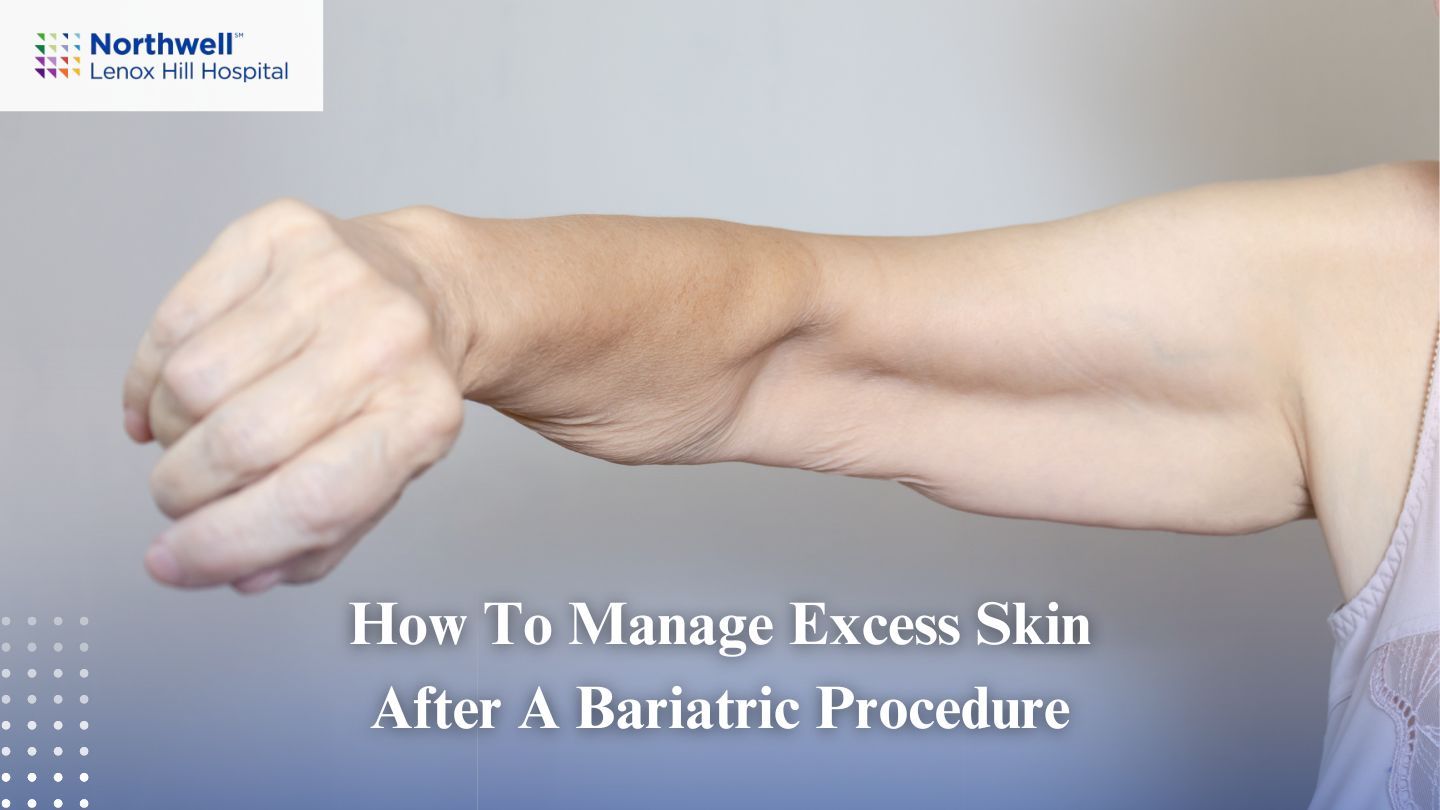
How to Manage Excess Skin After a Bariatric Procedure

Weight loss surgery transforms not just your health but your body composition. While the results can be life-changing, many patients notice excess or sagging skin as the body adjusts to rapid fat loss. This is a common but manageable concern. Understanding how to prevent loose skin after weight loss surgery and adopting strategies for skin health can help patients regain confidence and comfort as they progress through their transformation journey.

Understanding Why Loose Skin Develops After Bariatric Surgery

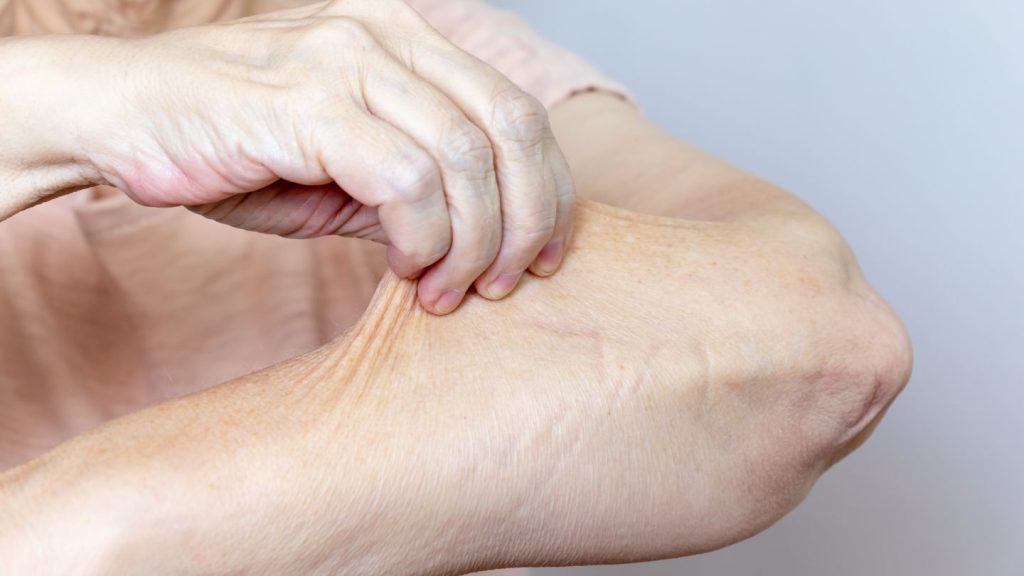
When a person gains weight, the skin stretches to accommodate the body’s growth. After significant weight loss, the skin may not immediately retract due to reduced elasticity. Factors such as age, genetics, and how quickly the weight is lost all play a role. Every patient’s weight loss journey is unique, and understanding your surgical options early can help you plan effectively. Learning how to know if you qualify for a bariatric procedure provides clarity on the types of surgeries available and what to expect from long-term outcomes. For some patients, the elasticity returns over time; for others, surgical or non-surgical interventions may be required.

It’s normal to experience loose skin around the abdomen, thighs, upper arms, and face. Knowing how to minimize loose skin after bariatric surgery involves a combination of lifestyle, nutrition, and medical strategies.

How to Prevent Loose Skin After Weight Loss Surgery

Although some degree of loose skin is expected, proactive care can make a noticeable difference. To better understand how to avoid loose skin after weight loss surgery, consider these core strategies:

  • Lose weight gradually: Rapid weight loss gives skin less time to adjust. Follow your surgeon’s recommended pace for sustainable progress.
  • Stay hydrated: Water supports skin elasticity and collagen function, helping the skin remain firm.
  • Eat protein-rich foods: Protein fuels collagen production, which strengthens the skin’s structure.
  • Incorporate strength training: Building muscle underneath the skin can create a more toned appearance.
  • Avoid smoking: Nicotine restricts blood flow and decreases collagen, making the skin more likely to sag.

Patients managing hormone-related conditions may also see better skin outcomes when metabolic balance improves. For example, those with PCOS can explore how bariatric surgery helps improve PCOS symptoms, leading to more stable weight management and potentially healthier skin elasticity. Consistency in these habits improves elasticity over time and supports overall recovery after surgery.

Read More: How Much Protein Do You Really Need After Bariatric Surgery: A Complete Guide to Optimal Health

How to Tighten Skin After Weight Loss Surgery

How to Tighten Skin After Weight Loss Surgery

Once weight loss stabilizes, patients often explore how to tighten skin after weight loss surgery through medical or lifestyle-based approaches. Some of the most effective options include:

  • Non-surgical skin tightening treatments: Laser therapy, radiofrequency, and ultrasound techniques stimulate collagen and elastin production for gradual improvement.
  • Topical treatments: Medical-grade creams with retinoids, peptides, and hyaluronic acid may boost skin texture and hydration.
  • Exercise: Weight-bearing exercises enhance circulation and muscle tone, improving the skin’s overall look.
  • Massage therapy: Regular massages can increase blood flow and lymphatic drainage, supporting cellular repair.

Improving joint function can further support post-surgical exercise routines. Discovering how obesity affects joint health and how bariatric surgery may help can motivate consistent movement that aids skin tightening and recovery. If skin sagging is significant, your provider may discuss surgical options such as abdominoplasty, arm lifts, or thigh lifts to achieve smoother contours.

Read More: Exercises for Optimal Health After Weight Loss Surgery

How to Get Rid of Loose Belly Skin After Weight Loss

Many patients specifically struggle with excess skin around the abdomen. Learning how to get rid of loose belly skin after weight loss often involves a multifaceted approach:

  • Focus on core strengthening exercises: Planks and resistance movements tighten abdominal muscles.
  • Consider body contouring procedures: When skin laxity is severe, procedures such as panniculectomy or tummy tuck surgery can remove excess tissue safely.
  • Maintain steady hydration and nutrition: Balanced intake of vitamins A, C, and E, along with zinc and collagen supplements, can support long-term skin recovery.

With patience and professional guidance, most patients see gradual tightening over 12 to 24 months following surgery.

Read More: Vitamins Needed After Weight Loss Surgery

How to Tighten Skin After Bariatric Surgery Through Nutrition and Lifestyle

Proper nutrition remains a cornerstone of recovery. Incorporate foods that promote elasticity and support collagen regeneration, including:

  • Fatty fish rich in omega-3s
  • Leafy greens and citrus fruits
  • Eggs, beans, and lean meats
  • Nuts and seeds for vitamin E

Beyond nutrition, gentle stretching and mobility exercises maintain circulation and improve how the skin conforms to the body’s new shape. Those seeking to understand how to reduce loose skin after weight loss surgery will benefit most from a long-term routine focused on overall wellness, hydration, and professional care. Many patients also notice overall improvements in circulation, metabolism, and cardiovascular health. Understanding how bariatric surgery helps manage high blood pressure highlights another positive impact of maintaining a healthy weight and nutrient-rich diet post-surgery.

Surgical and Professional Options for Persistent Loose Skin

Surgical and Professional Options for Persistent Loose Skin

In some cases, excess skin cannot retract naturally due to loss of elasticity. Patients who have lost over 100 pounds may find surgical intervention the most effective way to achieve lasting results.

Plastic surgeons can remove excess skin, reshape contours, and restore comfort, particularly around areas prone to irritation or infections. Before considering surgery, patients should reach a stable weight and consult with both their bariatric and plastic surgery teams. Understanding how to get rid of loose skin after weight loss surgery involves weighing all available options with professional input.

Read More: Why is support necessary after bariatric surgery

Final Thoughts on Managing Loose Skin

Post-surgery skin changes are part of your body’s natural healing process. While patience is key, maintaining consistent care through hydration, exercise, and professional advice will optimize results. Knowing how to tighten skin after bariatric surgery helps set realistic expectations and ensures long-term success after your procedure.

Managing excess skin after major weight loss requires both medical insight and personalized care. Lenox Hill Bariatric Surgery Program provides comprehensive support for post-bariatric recovery, including nutritional counseling, exercise guidance, and referrals for safe, effective skin-tightening treatments. Our team of the best bariatric surgeons in NYC is dedicated to helping patients achieve lasting results that genuinely reflect the health transformations they have worked so hard to attain.

Frequently Asked Questions

How can I prevent loose skin after weight loss surgery?

Gradual weight loss, strength training, hydration, and collagen-rich foods help maintain elasticity and reduce sagging.

How long does it take for skin to tighten after bariatric surgery?

Skin may tighten over 12 to 24 months, depending on age, genetics, and post-surgical care. Consistent exercise and nutrition are essential for visible improvement.

What is the best way to get rid of loose belly skin after weight loss?

A combination of core strengthening, healthy nutrition, and in some cases, body contouring procedures offers the best results.

Can I tighten my skin without surgery after bariatric surgery?

Yes. Non-invasive treatments like laser or radiofrequency therapy, combined with strength training and hydration, can enhance elasticity without surgery.

When should I consider surgery for excess skin removal?

Surgery is typically considered once you’ve maintained a stable weight for at least 12 months and other tightening methods have plateaued.

Essential Guide: What Foods and Drinks Should You Avoid After Bariatric Surgery

Understanding what foods and drinks you should avoid after bariatric surgery is essential for your recovery and weight loss success. This guide provides the key items to eliminate from your diet to avoid complications and achieve your health goals.

Key Takeaways

  • Post-bariatric surgery, focus on a nutrient-dense diet and avoid foods with empty calories to support recovery and long-term weight loss.
  • Avoid tough, dry, and hard-to-digest foods like raw vegetables, bread, and high-fat items to prevent discomfort and enhance digestion.
  • Stay hydrated while avoiding sugary, caffeinated, and alcoholic beverages, as they can hinder recovery and negatively impact overall health.

Understanding Your New Dietary Needs

Understanding Your New Dietary Needs

Bariatric surgery significantly diminishes the size of your stomach, which in turn means you’ll feel satiated with less food. To maintain adequate nutrition and steer clear of unease, it’s crucial to consume a diet that is low in calories, fats, and sugary treats. By keeping an eye on both the quantity and nutritional content of your meals daily, you can adhere to these prescribed dietary guidelines.

The procedure also impacts how well nutrients are absorbed by your body. Hence, taking supplements for vitamins and minerals becomes essential for maintaining health post-surgery recovery. Making wise choices about what foods you eat will help prevent discomfort while ensuring proper nourishment. Avoid eating foods high in fat or void of nutritional value to support your recovery and overall well-being.

Concentrating on consuming foods rich in nutrients that promote healthy eating habits throughout this weight loss endeavor ensures high nutritional value even when intake amounts are reduced. Practicing such deliberate consumption is instrumental in aiding not just immediate but enduring success with weight management. Consider food portions and serving sizes to prevent unwanted weight gain.

Foods with Empty Calories

Consuming foods high in empty calories, like cookies, sweets, and snack chips, provides energy but lacks essential nutrients. These items may cause persistent hunger and obstruct your weight loss goals. Post-bariatric surgery, professional nutritionists emphasize the importance of transitioning to a diet rich in protein and vital nutrients. By focusing on foods that aid recovery and long-term health, you can sustain energy levels and support healing.

Professional dietary consultations help you make informed choices about meal planning. Registered dietitians can create customized plans that prioritize nutrient density while avoiding foods that hinder your progress.

Read more: 5 High Protein Foods For Bariatric Patients

Tough or Chewy Foods

Digesting hard or chewy foods such as red meat and fibrous vegetables can be challenging post-surgery. While these foods might be avoided initially, healthcare professionals guide you through a structured reintroduction process when your digestive system is ready. This approach ensures safe and gradual adaptation to more diverse food options.

Surgeons and dietitians recommend options like ground meats, fish, and soft dairy products to ensure proper digestion. Professional advice also includes chewing techniques and meal preparation methods to chew food thoroughly to prevent discomfort or blockages.

Dry Foods

Dry foods can be hard to swallow and digest post-bariatric surgery, often causing discomfort and blockages. Opt for moist foods to ease swallowing and digestion. Staying hydrated is important, but remember to separate liquids and solids during meals to avoid discomfort.

Avoiding dry foods and focusing on moist, easily digestible options enhances post-surgery recovery and ensures a comfortable eating experience.

Bread, Rice, and Pasta

Initially, digesting bread, rice, and pasta can be challenging and may lead to discomfort if not chewed properly. After surgery, healthcare providers may recommend a structured liquid or soft food diet. When reintroducing these foods, dietitians monitor your tolerance levels and suggest portion sizes to avoid potential digestive issues.

It is crucial to be cautious when eating solid foods and chewing thoroughly to prevent complications due to the smaller openings in the stomach and the intestines. Professionals also emphasize mindful eating techniques to help you chew thoroughly and understand portion control, ensuring a smoother transition back to a varied diet.

Sugary Foods and Drinks

Sugary Foods and Drinks

Foods and drinks high in sugar contribute to excessive calorie intake and can lead to health risks such as prediabetes or dumping syndrome. Instead of attempting to identify suitable alternatives alone, rely on professional dietary guidance to make informed decisions about sugar consumption.

Healthcare providers suggest monitoring food labels and choosing low-sugar options as part of a balanced meal plan. These personalized strategies help you maintain nutritional goals while reducing risks associated with sugary foods.

High-Fat Foods

High-fat foods, such as bacon, sausage, and full-fat dairy, can cause digestive issues post-surgery. Dumping syndrome, often triggered by these items, can lead to nausea and discomfort. Instead of experimenting with replacements, professionals guide patients to healthier options like lean meats and low-fat dairy products.

Dietitians provide tailored meal plans that incorporate nutrient-dense, low-fat options to support recovery and minimize gastrointestinal distress. This expertise ensures your dietary needs are met without risking complications.

Alcoholic Beverages

Post-surgery, avoiding alcohol is critical due to its high-calorie content, dehydrating nature, and reduced tolerance levels. Alcohol is absorbed more rapidly after bariatric surgery, heightening its effects and potentially leading to serious complications such as hypoglycemia.

Healthcare professionals recommend alternative hydration strategies and monitor your overall fluid intake to prevent dehydration. Their guidance ensures you remain on track for recovery and maintain optimal health.

Caffeinated Beverages

Avoid caffeine beverages after bariatric surgery as they irritate the digestive tract and stimulate acid secretion. Caffeine acts as a diuretic, leading to dehydration—a significant concern post-surgery. Hydrate with water and non-caffeinated drinks for a smooth recovery.

Choose hydration options that do not contain caffeine to meet your fluid intake needs without risking irritation or dehydration.

Read more: Can You Have Carbonated Drinks After Bariatric Surgery?

Spicy Foods

Spicy Foods

Spicy foods may irritate the digestive system post-surgery. Instead of experimenting with their reintroduction, follow the structured dietary advice provided by your healthcare team. Surgeons and dietitians evaluate your digestive tolerance and provide specific recommendations about when and how to incorporate such foods safely.

Professionals also offer alternative seasoning suggestions to enhance flavor without compromising digestive comfort. This ensures a satisfying and safe eating experience during your recovery.

Raw Vegetables

The toughness of raw vegetables can strain the digestive system after bariatric surgery. Healthcare providers often recommend starting with cooked or steamed vegetables to ease digestion and prevent discomfort.

Dietitians work closely with you to plan meals that include nutrient-dense, easily digestible options. By relying on their expertise, you can gradually transition to raw vegetables under professional supervision, ensuring optimal digestion and nutrient absorption.

Importance of Following Your Diet Plan

Following a structured post-surgery diet is essential for healing and avoiding complications. Professional guidance helps you adjust to smaller portions and focus on nutrient-rich foods that support recovery and long-term success. Healthcare teams ensure you meet your protein needs through tailored meal plans, which may include lean meats, low-fat dairy, and supplements as needed. Cottage cheese is often recommended as a low-fat protein option, providing essential nutrients while being easy to digest. Additionally, it is crucial to gradually transition from pureed to soft foods to accommodate dietary restrictions and ensure a smooth recovery.

To minimize sugar intake and avoid dumping syndrome, registered dietitians provide specific recommendations tailored to your unique dietary requirements. This comprehensive support ensures sustained weight loss and reduces the risk of complications.

When to Contact Your Doctor

Maintaining open communication with your healthcare provider is critical during recovery. If you experience symptoms like fever, chest pain, or persistent nausea, immediate medical attention is essential. Surgeons monitor your progress through regular follow-ups to ensure there are no signs of complications, such as infections or digestive issues.

By consulting your medical team promptly about any unusual symptoms, you can address potential concerns early and avoid further complications. Professional oversight ensures a safer and smoother recovery process.

Read more: Questions To Ask Your Doctor About Weight Loss Surgery

Summary

In summary, following the dietary guidelines after bariatric surgery is crucial for a smooth recovery and lasting weight loss. Avoiding foods and drinks that are high in empty calories, fats, or sugars helps prevent complications and supports your health objectives. With the guidance of surgeons and dietitians, you can safely reintroduce foods while staying on track with your goals.

At Lenox Hill Bariatric Surgery Program, we specialize in gastric bypass surgery in NYC, offering personalized dietary plans and continuous medical care to ensure your success. Our dedicated team is here to provide the resources you need for a successful weight loss journey. Contact us to embark on your path to better health today.

Frequently Asked Questions

1. How can I ensure my diet provides enough nutrients after bariatric surgery?

Work with a dietitian to create a meal plan that focuses on protein, vitamins, and minerals. Supplements may also be necessary to meet your nutritional needs.

2. Why is portion control so important after bariatric surgery?

Portion control prevents discomfort and ensures your smaller stomach can digest food properly. It also helps maintain long-term weight loss goals.

3. What should I do if I struggle to reintroduce certain foods?

Consult your healthcare provider or dietitian. They can assess your tolerance and recommend alternatives or strategies to make reintroduction easier.

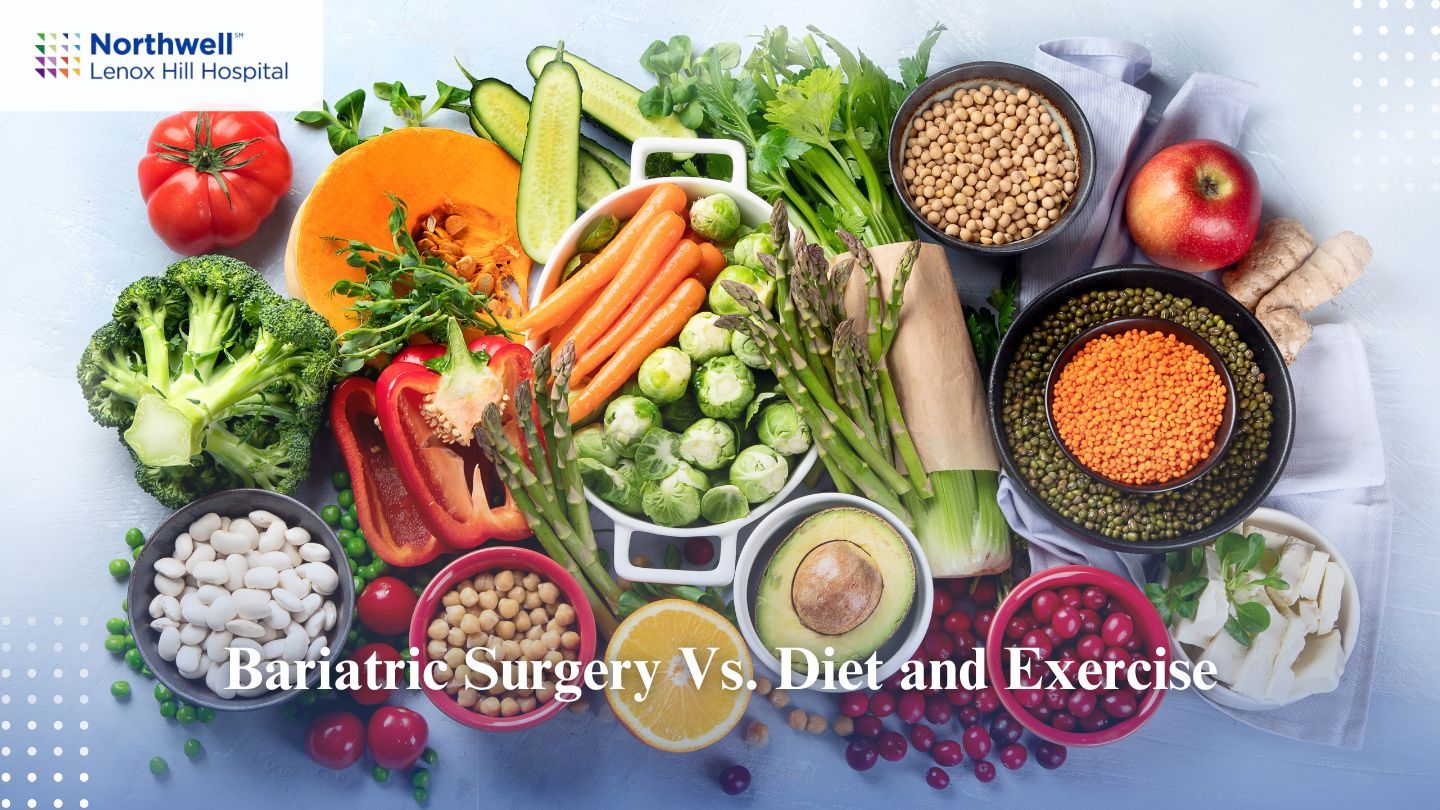
Bariatric Surgery Vs. Diet and Exercise

When it comes to weight loss, individuals often face a critical choice between traditional methods, like diet and exercise, and medical interventions, such as bariatric surgery. Each path has its own set of benefits and challenges. In this blog, we will explore both approaches to help you understand which option might be best suited for achieving your weight loss goals.

Key Takeaways

  • Bariatric surgery is effective for significant weight loss in cases of severe obesity.
  • Diet and exercise are crucial for long-term weight maintenance and health.
  • Combining surgery with lifestyle changes enhances weight loss success.

What is Bariatric Surgery?

Bariatric surgery, commonly referred to as weight loss surgery, is a surgical procedure designed to help individuals with obesity achieve a healthy weight. This type of surgery involves making changes to the digestive system to limit the amount of food that can be consumed and absorbed by the body. Bariatric surgery is particularly effective for those who have struggled to lose weight through diet and exercise alone. There are several types of bariatric surgery, including gastric bypass surgery, sleeve gastrectomy, and adjustable gastric banding. Each of these procedures aims to reduce food intake and, in some cases, alter nutrient absorption, leading to significant weight loss and improvements in obesity-related health conditions. Bariatric patients often face challenges in maintaining weight loss without surgical intervention, making a healthy lifestyle crucial for long-term success.

Types of Bariatric Surgery

There are several types of weight loss surgeries, including gastric bypass surgery, sleeve gastrectomy, and adjustable gastric banding.

  • Gastric Bypass (Roux-en-Y Gastric Bypass): This procedure involves creating a small pouch at the top of the stomach and connecting it directly to the small intestine. The result is a significant reduction in the amount of food the stomach can hold, combined with a decrease in calorie and nutrient absorption.
  • Sleeve Gastrectomy: In this surgery, approximately 80% of the stomach is removed, leaving a small, tube-like stomach. This limits the amount of food that can be consumed and also impacts hunger hormones, often resulting in a decrease in appetite.
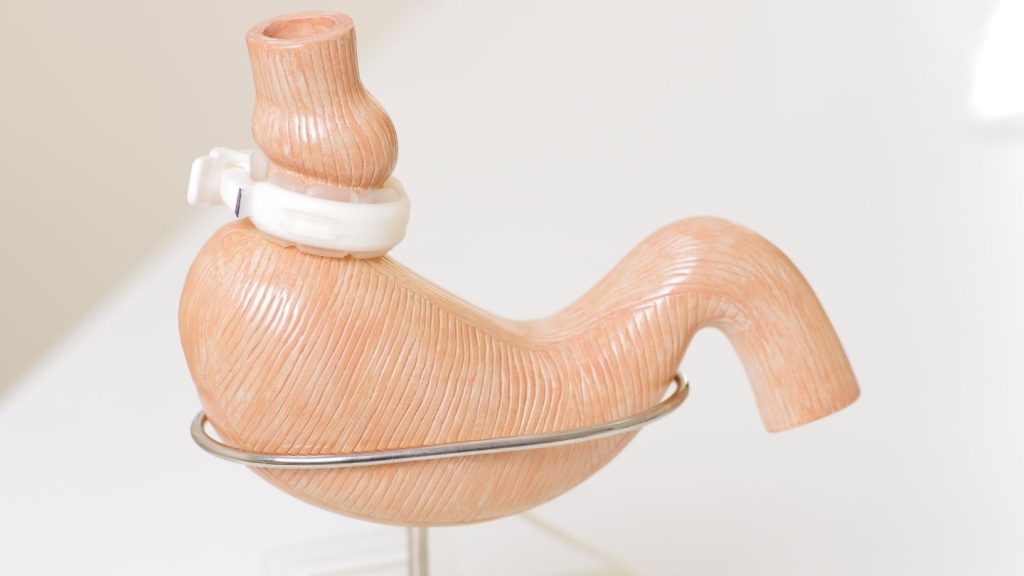
  • Adjustable Gastric Band: This involves placing a band around the upper part of the stomach to create a small pouch that holds food. The band can be adjusted to control the passage of food, thereby regulating food intake.
  • Biliopancreatic Diversion with Duodenal Switch (BPD/DS): A complex procedure that involves both a sleeve gastrectomy and rerouting of the intestines. It significantly reduces nutrient absorption and is usually recommended for individuals with a very high BMI.

Pros of Bariatric Surgery

Pros of Bariatric Surgery
  • Rapid and Significant Weight Loss: Patients often experience dramatic weight loss shortly after surgery, improving their mobility and quality of life.
  • Potential Improvement in Health Conditions: Many obesity-related conditions improve or even resolve post-surgery, including diabetes, hypertension, and sleep apnea.
  • Life-saving for High BMI Individuals: For those with a high body mass index, bariatric surgery can be a life-saving intervention, reducing the risk of heart disease, stroke, and other serious health issues.

Eligibility and Candidacy

Bariatric surgery is not suitable for everyone, and determining eligibility involves evaluating several important factors. These criteria are designed to ensure that the procedure is appropriate and beneficial for the individual, reducing risks and enhancing the likelihood of successful outcomes. Below are the key factors considered when assessing candidacy for bariatric surgery:

  • Body Mass Index (BMI): Candidates for bariatric surgery typically need to have a BMI of 40 or higher. Those with a BMI of 35 or higher may also qualify if they have obesity-related health conditions like type 2 diabetes, high blood pressure, or sleep apnea, which can significantly impact their overall health and quality of life.
  • Previous Weight Loss Attempts: It’s important for candidates to have a documented history of trying to lose weight through traditional methods, such as diet and exercise. This demonstrates a genuine effort to achieve weight loss without surgical intervention and underscores the need for a more effective solution like bariatric surgery.
  • Age Range: The typical age range for bariatric surgery candidates is between 18 and 65 years. This range ensures that patients are mature enough to understand the implications of the surgery and young enough to benefit from the long-term health improvements it can provide.
  • Overall Health: Candidates must be in good overall health, meaning they should not have any severe medical conditions that could increase surgical risks. A thorough medical evaluation is necessary to ensure that the individual can safely undergo the procedure without heightened risk of complications.
  • Commitment to Lifestyle Changes: A strong commitment to making and maintaining lifestyle changes is essential. This includes following a healthy diet and incorporating regular exercise into daily routines after surgery to maximize the benefits of the procedure and ensure long-term weight loss success.

It’s essential to consult with a healthcare professional to determine if bariatric surgery is right for you. They will assess your overall health and weight loss goals to determine if you are a good candidate for surgery. This consultation will help ensure that the decision to undergo weight loss surgery is well-informed and tailored to your individual needs.

What is Diet and Exercise?

What is Diet and Exercise?

Diet and exercise are two fundamental pillars of a healthy lifestyle and are essential for achieving and maintaining a healthy weight. A diet refers to the selection of foods and beverages consumed by an individual, while exercise encompasses physical activities performed to enhance or maintain physical fitness and overall health.

Types of Diets

  1. Balanced Diet: A balanced diet includes a variety of foods from all major food groups, providing essential nutrients such as carbohydrates, proteins, fats, vitamins, and minerals. This type of diet ensures that the body receives adequate nutrition to function optimally.
  2. Low-Carbohydrate Diet: This diet restricts carbohydrate intake, focusing on proteins and fats. Popular low-carb diets include Atkins and ketogenic diets, which aim to induce a state of ketosis for fat-burning.
  3. Mediterranean Diet: Inspired by the traditional eating habits of Mediterranean countries, this diet emphasizes fruits, vegetables, whole grains, olive oil, and lean proteins like fish and poultry. It is known for its heart-healthy benefits.
  4. Vegan and Vegetarian Diets: These diets eliminate meat and animal products. A vegetarian diet may include dairy and eggs, while a vegan diet excludes all animal-derived items. Both emphasize plant-based foods rich in fiber and nutrients.
  5. Intermittent Fasting: This eating pattern alternates between periods of fasting and eating. Common methods include the 16/8 method (fasting for 16 hours and eating within an 8-hour window) and the 5:2 method (eating normally for five days and restricting calories for two days).

Types of Exercises

  1. Aerobic Exercise: Also known as cardio, this type of exercise increases heart rate and breathing. Examples include walking, running, cycling, and swimming. Aerobic exercise is effective for burning calories and improving cardiovascular health.
  2. Strength Training: This involves using resistance to build muscle strength and endurance. Weightlifting, resistance band exercises, and bodyweight exercises like push-ups and squats are common forms of strength training.
  3. Flexibility Exercises: These exercises enhance the range of motion in joints and muscles. Stretching, yoga, and Pilates are excellent for improving flexibility and reducing the risk of injury.
  4. Balance Exercises: Important for maintaining stability and preventing falls, balance exercises include activities like tai chi and balance-focused yoga poses.
  5. High-Intensity Interval Training (HIIT): HIIT involves short bursts of intense exercise followed by rest or low-intensity periods. This type of workout is efficient for burning calories and improving fitness levels.

Incorporating a healthy diet and regular exercise routine into your daily life can significantly contribute to weight loss and overall well-being. Whether you choose to follow a specific diet plan or engage in various types of exercises, consistency, and dedication are key to achieving long-term success.

A Balanced Comparison Between Bariatric Surgery vs. Diet and Exercise

A Balanced Comparison Between Bariatric Surgery vs. Diet and Exercise

When considering options for weight loss, it’s essential to weigh the benefits of bariatric surgery against the traditional approach of diet and exercise. Both paths offer unique advantages and can be integral to a successful weight loss journey.

Importance of Diet and Exercise Post-Surgery

Even after undergoing weight loss surgery, maintaining a healthy diet and regular exercise routine is crucial. These lifestyle changes help ensure long-term weight loss success and enhance overall well-being. A balanced diet rich in essential nutrients and consistent physical activity supports the body’s ability to adapt to changes post-surgery, promoting a healthy life.

Traditional Diet and Exercise

On the other hand, diet and exercise are foundational elements of a healthy lifestyle. They offer a non-invasive approach to losing weight and can be tailored to individual preferences and needs. Whether it’s a balanced diet, low-carbohydrate plan, or intermittent fasting, combined with exercises like aerobic workouts or strength training, these methods provide flexibility and empowerment in one’s weight loss journey.

If you choose to pursue weight loss through traditional methods, it’s important to understand that this approach requires patience and precision. Achieving weight loss through diet and exercise is often a slower process compared to surgical options. It demands a consistent commitment to consuming fewer calories and adhering to a regular exercise routine. While the progress may be gradual, the rewards of developing a healthy lifestyle and achieving a healthy weight naturally can be incredibly fulfilling. Staying focused on your goals and maintaining dedication to this path can lead to long-term success and improved overall health.

Integrating Both Approaches

Ultimately, the decision between bariatric surgery and traditional methods depends on personal health goals and circumstances. Many find that combining the benefits of surgery with a commitment to diet and exercise offers the most effective path to achieving and maintaining a healthy weight. Consulting with healthcare professionals can help determine the best strategy tailored to individual needs, ensuring a comprehensive approach to achieving long-term weight loss and a healthier lifestyle.

Conclusion

In conclusion, both bariatric surgery and traditional diet and exercise offer viable paths to weight loss. While surgery provides rapid results for severe obesity, a healthy diet, and regular exercise remain essential for long-term success. Consulting healthcare professionals can guide individuals toward the most effective strategy for their unique needs.

Our expert team provides a comprehensive approach to weight loss and wellness, ensuring personalized care every step of the way. As one of the leading centers for bariatrics in NY, we offer a range of surgical options tailored to meet individual needs. Explore your journey towards a healthier life by visiting Lenox Hill Bariatric Surgery Program today and take the first step towards a brighter, healthier future.

How to Choose a Bariatric Surgeon

If other methods of weight loss don’t seem to work, you may opt for weight loss surgery. It can be overwhelming because you have so many questions, and since you are doing it for the first time, you want to go for only the best service. Before undergoing the life-changing procedure, below are tips for choosing a bariatric surgeon.

Get Referrals

As with any other procedure, you want to do your due diligence when finding the right team for the job. The first place to start is to get a list of referrals, where you compile details of the best surgeons in your region based on recommendations from friends and family members. If someone you know had a successful bariatric procedure, that should help you narrow down your list.

Check Credentials

Another important consideration when it comes to how to choose the right bariatric surgeon is that they must be accredited. The doctors must have the relevant skills and training and must have been in the industry for a while. Are they certified? Are they practicing in a recognized facility? While at it, check that there are no reports of malpractice or disciplinary cases against them.

Hospital Quality

One important consideration to make is the kind of hospital where the surgery will take place. You are looking for a facility with the best services and equipment and the best performance when it comes to weight loss surgeries. Apart from going for only the best, some patients also consider proximity. Is it an institution you can easily reach when making follow-up visits and going for consultations? This goes a long way to guarantee a speedy recovery and a successful procedure.

Communication Style

One aspect that often goes overlooked when choosing the right bariatric surgeon is their communication style. You want a team that you can freely talk to, that empathizes with you and your needs, and is ready to answer your questions and provide assurance. Make sure that you get a surgeon who is dedicated to taking you through the entire journey.

Insurance Cover

Does your surgeon participate in your insurance coverage? The aim is to find a practice that allows your insurance coverage so that you will spend the least amount of expenses out-of-pocket. Considering how crucial the surgery is, you want to save as much money as possible.

Settle for the Best Bariatric Surgery in NYC

Weight loss surgery is a life-changing experience, and you need a dedicated team of professionals to come along on your journey. Trust the professionals at Lenox Hill Hospital if you are looking for the best bariatric surgeon in NYC that ticks all your boxes.

How to Keep the Weight Off After Bariatric Surgery

Imagine the excitement after finding out that you are a good candidate for weight loss surgery. There is one more challenge, and that is knowing how to keep your weight in check after the surgery. Luckily, all you need is the right state of mind and discipline. It is achievable with the following tips on how to maintain weight after bariatric surgery. 

Eat Smaller Portions of the Right Foods

Succeeding in your weight loss journey starts with your food options and their portions. Specialists recommend limiting your intake to small servings a couple of times a day, allowing the stomach more time to digest, especially now that there have been changes in your digestive system. While at it, make sure that you eat the right foods. You want to avoid starch in all its forms, which includes bread, pasta, rice, chips, cereal, and sweets. A half to 2 cups a day will do, and even so, they must have a high fiber content.

Avoid Grazing

One more challenge you will have to overcome when learning how to maintain weight loss after gastric sleeve is to avoid continuous snacking all through the day. After surgery, the goal is for your reduced stomach to stay full, such that you don’t have to keep nibbling on high-calorie snacks. You want to pay more attention to options rich in fiber and proteins to leave you feeling fuller for longer.

Avoid Eating Out

It is understandable that people can get busy and will resort to ordering food instead of cooking, but that also has so many downsides when it comes to keeping the weight off. You want to track what you eat, making sure it is healthy and nutritious, which may be a problem when the food you order contains excessive calories. Prioritize cooking your own food, but if you must eat out, check that you avoid junk and only eat healthy meals in small portions.

Exercise Daily

If you are wondering how to maintain weight after a gastric bypass, daily exercise is the best way to do so. This is a foolproof way to keep your body active and burn excess calories. You have a higher chance of success in the short term when you stay active every day instead of solely relying on the surgery.

Maintain Weight Loss After Bariatric Surgery

The best way to avoid weight gain after surgery is to eat small portions of healthy foods and exercise daily. If you are planning to undergo surgery or have concerns about how to maintain a healthy lifestyle, reach out to our experts in bariatric surgery in NY at Lenox Hill Hospital today.

  • 1
  • 2