186 East 76th St First Floor, NY 10021

Tag: gastric sleeve surgery

How Much Water Should You Drink After Gastric Sleeve Surgery?

How to stay hydrated after gastric sleeve? Most experts recommend 64 to 96 ounces of fluid daily. This blog will help you manage hydration and tackle challenges you may face after your surgery. The importance of staying hydrated after bariatric surgery cannot be overstated, as it is essential for recovery and overall health.

Key Takeaways

  • Aim to drink 2 to 2.5 liters of fluids daily, focusing on clear liquids and avoiding caffeinated beverages to ensure proper hydration post-surgery.
  • Set daily water intake goals and develop a hydration plan, including using reminders and carrying a favorite water bottle to track consumption.
  • Recognize signs of dehydration, such as dry mouth and dark yellow urine, and avoid drinking fluids during meals to promote better digestion.

Introduction

Maintaining hydration is crucial after gastric sleeve surgery due to significant changes in your digestive system. Experts recommend 64 to 96 ounces of non-fizzy liquids daily to support optimal bodily functions. Though it may seem overwhelming, using effective methods can make it manageable.

To avoid dehydration, drink fluids between meals rather than with them. Limit caffeinated drinks to 8-16 ounces daily, as excess caffeine can dehydrate you. Avoid carbonated drinks, which can cause discomfort like nausea and bloating and are high in sugar and calories. After surgery, your smaller stomach size requires careful planning of your fluid intake to stay hydrated without discomfort.

Daily Water Intake Goals

Daily Water Intake Goals

Setting water intake goals is crucial for staying hydrated after weight loss surgery. Bariatric patients should aim for at least 64 ounces or about 2 to 2.5 liters of fluid daily. Neglecting this can lead to fatigue, headaches, and low energy.

Adjusting to the new fluid intake needs may take weeks due to reduced stomach capacity post-surgery. Changes in water taste can also be a challenge. By creating and following a detailed hydration plan that tracks daily fluid intake, maintaining proper hydration becomes easier.

Start with small sips and gradually increase until you reach about 200 milliliters every hour by the end of the first week. Limit caffeinated drinks as they can worsen dehydration. Staying well-hydrated is essential not only for weight loss success but also for overall wellness.

Why Hydration is Crucial Post-Surgery

Why hydration is crucial Post-Surgery

Hydration is vital for recovery after weight loss surgery, as dehydration is a common issue leading to hospital readmissions. Drinking enough water is crucial for overall health, aiding in cell vitality, waste expulsion, and healing, thus preventing complications.

Insufficient water intake can lead to severe health problems like seizures or kidney failure. About 37% of bariatric patients face significant dehydration, causing extended hospital stays. To avoid this, start your day with a glass of water and sip small amounts consistently throughout the day.

Types of Fluids to Consume

Types Of Fluids To Consume

Maintaining adequate fluid intake is crucial, and selecting the right types of fluids is essential. Post-surgery, focus on clear liquids like water, broth, and herbal tea. Coconut water is also a good option. Aim to drink at least 64 ounces of water daily.

Tea varieties such as green tea not only hydrate but also offer health benefits. Avoid sugary drinks, soft drinks, and fruit beverages, as they can cause weight gain and dehydration. Diluted squeezed fruit juice can be a good option. Steer clear of caffeine and alcohol due to their dehydrating effects, and avoid carbonated beverages, as they can cause stomach discomfort.

Post-operative guidelines recommend that half of your daily fluids come from sources without added proteins or sugars. Tap water is excellent for hydration without extra calories or sweeteners.

How to Stay Hydrated After Gastric Sleeve?

A tactical plan for staying hydrated is recommended, which involves setting definite goals for fluid consumption at various intervals during the day. To aid in adhering to this hydration schedule, one can set reminders on their phone or use a timer as prompts to drink.

Specific steps to stay hydrated after weight loss surgery include drinking small sips of water frequently, avoiding caffeine and alcohol, and incorporating hydrating foods like fruits and vegetables into your diet. These steps are crucial as dehydration can lead to serious complications, including hospital visits.

Sip Slowly Throughout the Day

Take small sips of fluid slowly throughout the day to prevent overwhelming your stomach, which can lead to nausea and discomfort. Gradually acclimating your stomach to smaller amounts helps maintain proper hydration without feeling ill.

Keep a water bottle with you and take regular small sips between meals to easily maintain hydration levels. Frequent, tiny sips ensure you stay hydrated without causing stomach discomfort.

Use a Favorite Water Bottle

Having a water bottle on hand promotes better hydration. Knowing its volume helps monitor daily liquid consumption. A bottle with a tracking mechanism allows for an accurate assessment of your fluid intake.

An aesthetically pleasing water bottle can encourage consistent sips throughout the day. Carrying your water bottle everywhere acts as a constant reminder to stay hydrated.

Set Reminders

Using alerts or alarms can help maintain hydration levels. Implementing a schedule to drink at thirty-minute intervals encourages consistent fluid intake. Monitoring daily water consumption is crucial for achieving hydration goals.

By noon, aim to have consumed at least 32 ounces of water. Setting specific targets for water intake at designated times throughout the day helps you stick to your hydration plan.

Flavoring Your Water

Infusing your water with fresh ginger, pear, cucumber, and citrus fruits like lemon and lime can make drinking water more enjoyable. Adding mint, cucumber, dill, berries, or fresh ginger enhances its appeal.

Post-surgery hydration can be more pleasant with these flavored drinks compared to plain water. Opt for sugar-free flavor enhancers to liven up your beverage without added sugars.

Adding ingredients like strawberries and cucumbers not only boosts enjoyment but also provides a refreshing twist to your water.

Signs of Dehydration to Watch For

It is vital to be alert for signs of dehydration after surgery. Dry mouth, fatigue, headache, constipation, and a feeling of lightheadedness are common indicators. If your urine turns a dark yellow color, it often suggests that you’re not consuming enough fluids. Understanding how to stay hydrated after gastric sleeve surgery is essential. This includes drinking small sips of water throughout the day, avoiding beverages with caffeine, and not drinking during meals to prevent discomfort.

Dehydration can escalate into a critical condition, demanding urgent medical intervention in extreme cases. Prompt recognition and response to these symptoms are crucial in preventing serious complications associated with dehydration.

Benefits of Adequate Hydration

Benefits Of Adequate Hydration

Ensuring you consume enough water provides a plethora of health advantages. Maintaining hydration can enhance metabolism and increase the calories burned, which assists in controlling weight. Introducing water prior to eating has the potential to diminish hunger, leading to reduced consumption of food.

Maintaining adequate fluid intake can enhance skin condition and suppleness, giving rise to a more radiant appearance. Post-gastric Sleeve Surgery, incorporating foods with high water content, like fresh produce, into your diet is also beneficial for staying hydrated.

Summary

Ensuring that you remain hydrated is crucial for your recovery and overall well-being following gastric sleeve surgery. It’s important to consume a minimum of 64 ounces of water each day, opt for appropriate fluids, and employ tactics like keeping a preferred water bottle on hand and setting reminders to stay on track with your hydration objectives. Be mindful of dehydration symptoms and refrain from drinking with meals to promote optimal digestion.

Staying properly hydrated can enhance your metabolism, improve skin health, and contribute significantly to weight management.

About Us

At Lenox Hill Bariatric Surgery Program, we are committed to assisting you throughout your journey towards weight loss success by providing support in achieving healthy habits. For those considering weight loss surgery in NY, we offer comprehensive care and guidance. For additional information and tailored advice regarding staying hydrated post-surgery or other inquiries related to weight loss efforts after the procedure, contact us.

Frequently Asked Questions

What types of fluids should I avoid after gastric sleeve surgery?

You should avoid sugary drinks, carbonated beverages, caffeine, and alcohol after gastric sleeve surgery, as they may lead to dehydration and discomfort. This is especially important for weight loss surgery patients, who are at an increased risk of dehydration, which can lead to hospitalizations post-surgery.

Prioritizing hydrating, non-irritating fluids is essential for your recovery.

Why is hydration so important after bariatric surgery?

Hydration is essential after bariatric surgery as it supports cell health, aids in waste elimination, and prevents complications. Staying properly hydrated significantly enhances your overall recovery.

How can I make water more enjoyable to drink?

Enhancing the taste of your water by adding fruits and herbs or using sugar-free drink enhancers can make it more appealing to consume.

Such a straightforward change might motivate you to keep up with your hydration needs throughout the day.

What to Expect in the First Three Weeks After a Gastric Sleeve

You should be prepared that there will be some changes after undergoing a gastric sleeve, particularly in the first few weeks. It ranges from simple aspects like mood swings to significant ones like weight loss. Are you planning on this surgery? Here is what to expect after gastric sleeve surgery.

What Happens in the First Three Weeks After Surgery?

You may not have a lot of expectations after gastric sleeve weight loss surgery during the first few weeks, but note that it is one of the most important phases in your journey. This is the time where you heal, and the body starts adjusting to the new changes. You should also expect weight loss at this stage—and at a rapid rate.

Patients at this time report significant loss of weight because, for one, now their diet is restricted, and their stomach holds less food. The body now starts tapping into its fat reserves because there is less food intake, and that leads to weight loss.

Read more: How Does Gastric Sleeve Work? Understanding the Weight Loss Procedure

What Is the Average Weight Loss to Expect?

Every case is different because bodies vary, so there is no particular number in regard to how much weight you should expect to lose in the first few weeks. However, experts believe that around this time, you may lose up to 10–20% of your excess body weight. So, that means that if you weighed 100 pounds in extra weight, you may lose 10–20 pounds within the first three weeks.

What Causes the Weight Loss Variations?

Among the things to expect after gastric sleeve surgery is that your results will not be the same as those of another patient. Individual journeys are different, so weight loss rates and patterns vary based on the case. For instance, patients who religiously follow dietary guidelines, gradually transitioning from liquid to solid food and avoiding things like alcohol after surgery, report better results.

Also read: Drinking Alcohol After Gastric Sleeve & Other Bariatric Surgery: Can You Do It?

In the same light, patients who engage in physical activity end up losing more weight down the line. Also, remember to account for individual variations like starting weight, rate of metabolism, state of health, and other factors. That’s why it is advisable to work closely with your doctors to make sure that you get the best results in the shortest time.

Let Our Professional Surgeons Help

Every individual is different. Once you undergo a gastric sleeve in NYC, remember to frequently consult with your healthcare team. Our professionals at Lenox Hill Hospital are available to guide you through the surgery and recovery—and all the way to your success story.

Can the Stomach Stretch After a Gastric Sleeve?

You already know how the gastric sleeve works. The goal is to reduce the size of the stomach by as much as 80%, which ensures that your stomach holds less food and you feel full faster. However, there is one concern among patients: Can you stretch out your stomach after a gastric sleeve?

Can Your Stomach Stretch After Sleeve Surgery?

The whole point of a gastric sleeve is to reduce the size of your stomach and, in turn, reduce your food intake. However, if your stomach regains its original size, your food intake will increase, and chances are high that your weight will increase again. This is the last thing that you want to happen after surgery. Unfortunately, it is possible. If you keep overeating, your stomach will gradually start adapting and extending to find more room for the extra food.

Read more: Top Foods to Avoid After Gastric Bypass Surgery

What Happens When Your Stomach Stretches?

The stomach is designed to naturally stretch, considering that its walls consist of expanding tissues. It is a normal reaction when food enters the pouch, as it informs the body that it is full. The only problem is that when you overeat, it causes a permanent increase in size. It will interfere with the normal signaling process, so the body won’t know that it is time to stop. As a result, you risk regaining the weight you have been trying so hard to lose.

How to Prevent Stomach Stretching After a Gastric Sleeve

Because the stomach can stretch after a gastric sleeve, it is important to know how to prevent it.

Avoid Overeating

You want to eat small portions of food. Otherwise, you risk overeating and making it a habit, so the stomach gradually starts to expand to accommodate the extra food.

Limit Fluid Intake While Eating

Make sure you only ingest fluids a few hours after eating. This way, you avoid excessively filling your stomach. It is even worse when it is carbonated drinks, which increase pressure in the pouch, leading to pain and reflux.

Eat Small Snacks in Between Meals

If you end up feeling extremely hungry between meals, you can try to eat small snacks. Healthy snacks make you feel full and prevent you from overindulging on your next meal.

Read more: How Much Water Should You Drink After Gastric Sleeve Surgery?

Rely on Experienced Gastric Sleeve Surgery Professionals

If you are looking forward to your first bariatric surgery or have just had one, the last thing you want is for your stomach’s size to increase. To help keep your weight in check, let the experts at Lenox Hill Hospital perform your gastric sleeve surgery in NYC.

Coffee After Gastric Sleeve Surgery—Is It Allowed?

Coffee drinkers know that the best way to kick-start their mornings is with a cup of freshly brewed coffee. However, if you have just undergone weight loss surgery, surgeons recommend avoiding certain foods and drinks. Junk foods like popcorn are on that list, which makes you wonder, can you drink coffee after a gastric sleeve?

What Happens When You Ingest Coffee After a Gastric Sleeve?

Diet and exercise are crucial after undergoing surgery. They keep you in shape and promote healthy and speedy weight loss. Experts advise that you must completely refrain from drinking coffee or any other caffeinated or carbonated drink for the first 90 days post-surgery. You need to avoid certain foods and drinks until your body fully recovers and adjusts to the new digestive changes. So, why is coffee on the list of foods to avoid?

It Is Acidic

If you are wondering if you can drink coffee after gastric sleeve, know that it contains high amounts of acid, which is the last thing you want to consume after the surgery. After the procedure, you are more vulnerable to GERD and acid reflux, meaning coffee will easily irritate your stomach lining, causing a lot of pain.

Read more: The Causes of GERD After Gastric Sleeve Surgery

It Causes Dehydration

Coffee is known for its diuretic effect (dehydration of the body). Patients are always advised to drink more water and stay hydrated all through the day to facilitate healing and promote a healthy gut, but drinking coffee has the opposite effect. Therefore, it is best to avoid it and switch to healthier drinks.

It Causes Poor Gut Motility

Your gut motility will be affected while you are recovering after surgery. Food doesn’t move through your digestive system as usual, and essential nutrients are not fully absorbed like they were before the surgery. You must eat highly nutritious foods to enhance the absorption rate, which is not the case with caffeinated drinks, which lack essential nutrients.

When Can I Drink Coffee After Gastric Sleeve?

Refrain from coffee for the first 90 days after surgery, and even after that, take it in moderation. Remember that every person is different, so it is best to consult with your doctor on such matters. To be safe, consider healthier drink alternatives like water, green tea, smoothies, and herbal tea (non-caffeinated).

Read more: How Much Water Should You Drink After Gastric Sleeve Surgery?

Consult a Professional Bariatric Surgeon in New York City

It is expected that you will feel overwhelmed when it comes to your new lifestyle with dietary restrictions. To be sure, you can consult with us about all matters regarding weight loss surgery and the best foods to eat after gastric sleeve surgery in NYC at Lennox Hill Hospital.

The Causes of GERD After Gastric Sleeve Surgery

Gastroesophageal reflux disease (GERD) is a condition where food from the stomach re-enters a patient’s esophagus. Conventionally, GERD should reduce after a gastric bypass, but there are cases where the procedure makes it even worse. You may experience GERD as you try to recover from gastric bypass surgery, so how are GERD and bariatric surgery connected? How can you treat it?

What Is the Relationship Between GERD and Gastric Bypass?

Are you wondering if gastric bypass and acid reflux are connected? When you undergo surgery, it alters the normal shape of the stomach, changing how food usually travels through your digestive system. It is expected that the lower esophageal sphincter (LES) will also be affected. This is the muscle ring at the end of the esophagus, which opens when food enters the stomach and closes to prevent the particles from re-entering. However, when it fails to work, food contents from the stomach find their way back to the esophagus, which causes symptoms of GERD or acid reflux after gastric bypass surgery.

How Does Bariatric Surgery Affect the Lower Esophageal Sphincter (LES)?

There are various ways that the LES can be tampered with during surgery. For instance, the angle where it meets the stomach may flatten, making it easier for food to travel back to the esophagus. Similarly, if there is excessive pressure in the stomach, it may exert the same pressure on the muscles, forcing them open. Lastly, acid reflux may occur because food post-surgery stays in the stomach for too long. 

How to Treat Gerd After Gastric Bypass

If you are suffering from excruciating acid reflux after surgery, it is crucial to seek immediate medical attention. Doctors recommend  PPIs (Proton Pump Inhibitors), which go a long way to reduce the excessive production of acid in the stomach. They may also prescribe prokinetic agents to make the LES contractions and the contractions along the tract stronger.

If you have severe GERD and medication doesn’t seem to work, then doctors will recommend surgery. They can perform RYGB or LINX surgeries or the Stretta procedure. You should see a doctor immediately when you detect acid reflux; otherwise, you risk complications like inflammation of the esophagus, peptic strictures (narrow esophagus), or esophageal cancer. 

Seek Professional Help to Deal With GERD After Gastric Sleeve Surgery

Are you interested in undergoing a gastric bypass in Manhattan? Or have you had one but need surgery to treat severe acid reflux? Consult with our professionals from Lennox Hill Hospital today for a safe bariatric surgery and treatment of acid reflux, GERD, and other post-gastric bypass complications.

Why Go For a Lap Band Surgery After a Gastric Bypass

Bariatric surgery is the answer if you are looking for an effective way to lose weight within a short time when other methods seem to fail. But what happens when you have undergone a gastric bypass but are yet to lose your target weight? Can you get a lap band after a gastric bypass instead of a full correctional surgery? Here’s what to know.

Can You Have a Lap Band After Gastric Bypass?

As advised by a surgeon, you can get lap band surgery after undergoing a gastric bypass. It is a procedure otherwise known as a band over bypass, and although not very popular, it is quite simple to get done. In most cases, patients opt for the band over gastric bypass at least a year later.

Why Go for a Band Over Bypass Surgery?

Patients undergo gastric bypass to help lose weight, and if that doesn’t happen, they opt for corrective surgeries. However, instead of redoing the entire process, doctors recommend going for a lap band surgery, which also works but is not as complex as a gastric bypass. The main reason why you can have a lap band surgery after a gastric bypass is if you didn’t lose your target weight after the initial surgery. It is also ideal if you feel like your weight has plateaued or you are starting to add more weight.

How Does a Band Over Bypass Surgery Work?

This procedure is also a laparoscopic surgery—the same as a lap band. Here, the surgeon makes small incisions in the abdomen and then ties your stomach pouch with the gastric band. As a result, the new stomach pouch will now hold even less food. The goal is to limit the patient’s food intake, which goes a long way to prevent overeating and, in turn, facilitates weight loss. It is an effective solution to keep you feeling full and reducing your food intake. It is also lauded for being a safer option than the conventional revisional procedures.

Lap Band Surgery After a Gastric Bypass

Have you previously undergone a gastric bypass but fear that it may have failed? Is your weight stagnant or increasing by the day, and you are uncertain about getting a correctional procedure? When you consult our surgeons from Lennox Hill Hospital, we will advise you on the best way forward, often recommending lap band surgery in NYC as a simpler and safer solution.

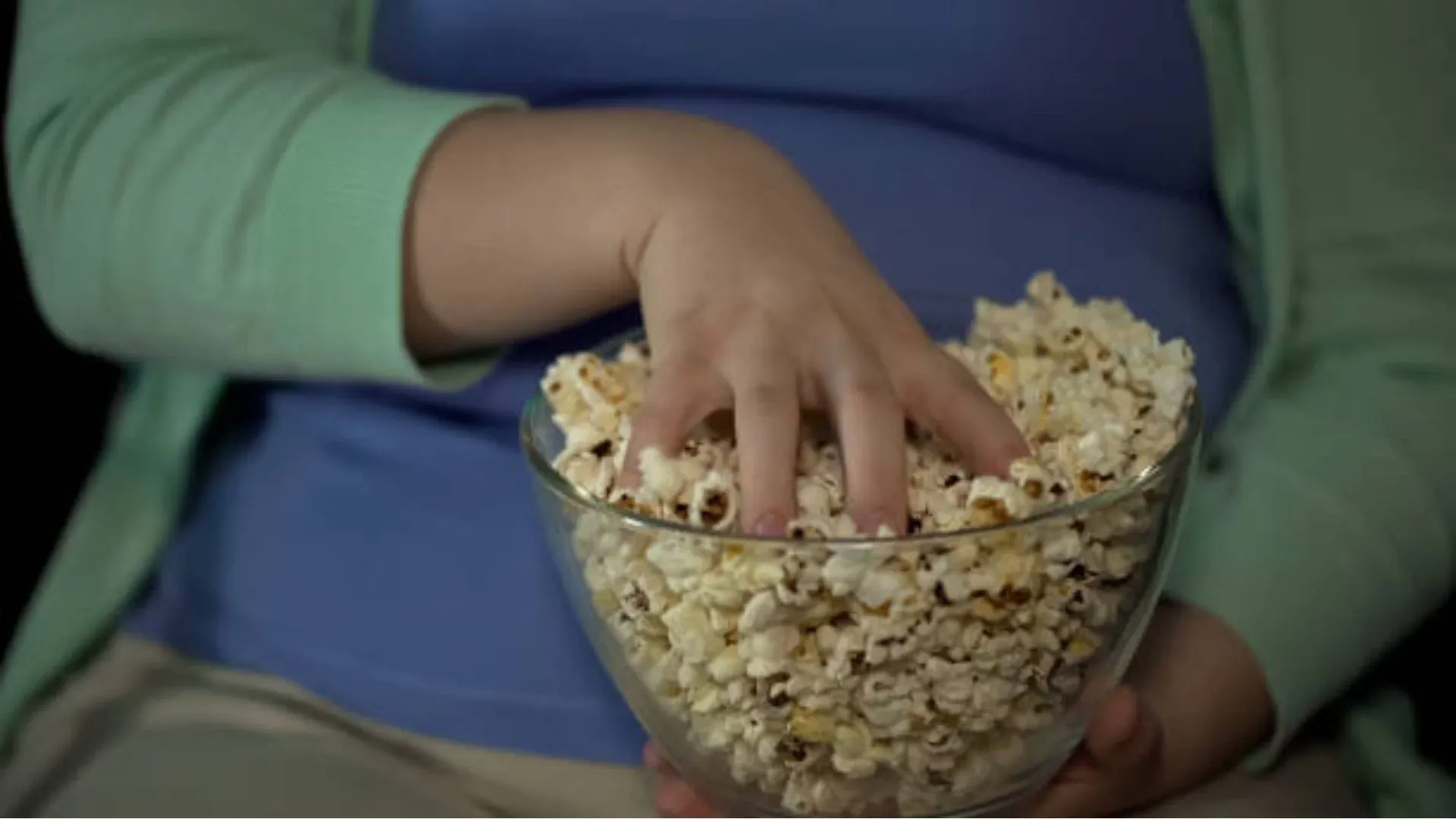
Close-up Of A Person Grabbing Popcorn From A Glass Bowl

Popcorn After Gastric Sleeve Surgery

Gastric sleeve is one of the most effective weight loss procedures. However, to maximize its success, you should adjust your lifestyle by eating right and frequently exercising. One of the most common questions post-surgery is what foods to avoid. For instance, you may wonder, can you eat popcorn after gastric sleeve?

Risks Involved When Eating Popcorn Post-Surgery

Popcorn is quite popular thanks to its low-calorie and high-fiber content. It is also rich in minerals and vitamins, being a whole-grain option. Despite its numerous benefits, it is on the list of foods not recommended for patients, just like fizzy drinks, pasta, gum, and other high-sugar and high-calorie options. Here are compelling reasons to avoid eating popcorn.

It Causes Dumping Syndrome

You can’t eat popcorn after gastric sleeve because it contains high amounts of carbs and fats, which can easily trigger dumping syndrome. This condition occurs when you overeat in one sitting, making it tasking for the body to properly digest the food, leading to bloating, diarrhea, stomach pains, and other symptoms.

It Causes Dehydration

You notice that you get incredibly thirsty after eating popcorn because, as a dry food, it tends to absorb moisture while you eat it. You need to hydrate more after surgery, so the more popcorn you eat, the more water you need. Otherwise, you will likely suffer headaches, dizziness, and other dehydration-related symptoms.

It May Cause Stomach Blockage

Popcorn is rich in fiber, and although that is good for your body, it can be a problem after a gastric sleeve. Your stomach finds it hard to digest such high amounts of fiber, especially in massive chunks. That has a risk of blocking your stomach, which is the last thing you want after a gastric sleeve.

Tips When Eating Popcorn Post-Surgery

If you are worried about whether you can have popcorn after a gastric sleeve, you don’t have to forgo your favorite snack as long as you practice caution. You can only eat it in small portions at a given time. Secondly, avoid adding oil or other toppings and extra seasoning that will be tasking for your body to break down. Also, make sure you drink a lot of water to prevent dehydration.

Watch Your Diet After Gastric Sleeve Surgery

It is crucial to watch your diet, especially after a gastric sleeve in NYC. If you are unsure what to eat, consult with our surgeons at Lenox Hill Hospital for guidance or more information about the procedure.

What Causes Bad Breath After Gastric Sleeve Surgery?

Have you or someone you know undergone a gastric sleeve procedure? If so, you need to understand the road to recovery in the first few weeks comes with a few challenges, including one common one: halitosis or bad breath. Luckily, this side effect doesn’t last that long. So, what causes bad breath after bariatric surgery?

GERD (Gastroesophageal Reflux Disease)

When undergoing a gastric sleeve, a large part of the stomach is removed, and in turn, there is less space for the food to go through the digestive tract. It must travel quite slowly and sometimes gets stuck in the process, leading to acid buildup in the stomach. The more the acid flows back and up into the mouth, the more it causes bad breath.

There is good news about this, however. It is treatable and is only a minor side effect that goes away after some time. There are prescription drugs you can take to reduce the condition, and luckily, the more you recover, the more your body gets used to the new stomach and finds natural ways to avoid acid reflux.

Ketosis

The state of ketosis in your body, which happens when the body opts to burn fat instead of glucose, changes after bariatric surgery. This is one of the wins of the procedure because it helps you drastically lose weight. However, in the process, the body releases ketones containing acetone as a by-product, an element known to have a fruity smell that can be considered foul.

Dehydration

Many patients suffer from bad breath after gastric sleeve surgery due to dehydration. You may forget to drink water because of your diet changes; you feel full faster and only intake small amounts of water. When this happens, it is challenging to rinse away bacteria, leaving the odor in your mouth.

Fortunately, a few tips help reduce the chances of bad breath after your surgery.

  1. Maintain drinking the recommended eight glasses of water throughout the day in spaced-out amounts.
  2. Avoid eating acidic meals and fizzy drinks, and have antacid tablets around.
  3. Brush and floss your teeth after every meal, and clean your tongue.
  4. Chew sugar-free gum throughout the day to help produce saliva to fight off bacteria in your mouth.

Read More: Is It Okay To Chew Gum After Bariatric Surgery?

Contact an Expert for Your Bariatric Surgery

When you have a trusted team of NYC bariatric surgery experts from Lenox Hill Hospital on your side, you never have to worry about side effects of the procedure, like bad breath. You have experts to guide you through surgery preparation, the surgery, and recovery.

  • 1
  • 2