186 East 76th St First Floor, NY 10021

Tag: Gastric Sleeve

Roll Of Toilet Paper And A Stethoscope

Moderate And Severe Constipation After Gastric Sleeve: Is It Normal?

If you’re experiencing constipation after gastric sleeve surgery or gastric bypass, you’re not alone. Constipation is one of the most common side effects after bariatric surgery, especially in the early recovery stages. While it can be uncomfortable, it’s usually temporary and can be managed with the right care and adjustments to your diet and lifestyle.

Understanding why constipation happens after gastric sleeve or bariatric surgery will help you take simple steps to relieve discomfort and support healthy digestion as your body heals.

Why Constipation Happens After Bariatric Surgery

Constipation after bariatric surgery occurs for several reasons. The digestive system changes significantly following procedures like gastric sleeve or bypass, which impacts how your body processes food and absorbs nutrients. Below are the most common causes of gastric sleeve constipation and ways to address them. Along with constipation, some patients also experience bloating or trapped gas after surgery. If you’re dealing with this kind of discomfort, knowing how to get rid of gas after gastric bypass or gastric sleeve can help you feel more comfortable during recovery.

1. Reduced Fiber Intake

After surgery, your diet focuses on protein-rich foods and easily digestible liquids. This helps healing but also means you’re consuming less fiber, one of the key nutrients that keeps digestion regular. A lack of fiber is one of the most common causes of constipation after gastric sleeve surgery.

2. Dehydration

Drinking enough fluids after surgery can be challenging because your stomach is smaller and fills quickly. When you don’t get enough water, stool can harden and become difficult to pass, leading to constipation after gastric sleeve or constipation after VSG (Vertical Sleeve Gastrectomy).

Aim to sip water throughout the day instead of drinking large amounts at once. Staying hydrated helps soften stools and promotes regular bowel movements.

3. Iron and Calcium Supplements

Iron and calcium supplements are necessary after bariatric surgery to prevent nutrient deficiencies, but they can slow digestion. Many patients notice constipation after gastric sleeve when they start these supplements. Talk to your surgeon or dietitian about timing and formulations that minimize this side effect.

4. Pain Medications

Prescription pain relievers, particularly narcotics, can slow intestinal motility and lead to severe constipation after gastric sleeve. If you need pain medication, ask your doctor about alternatives or stool softeners to help prevent constipation.

5. Lack of Physical Activity

After surgery, reduced movement is common due to soreness or fatigue. However, staying inactive for too long can slow digestion. Light walking throughout the day stimulates bowel function and helps reduce constipation after bariatric surgery.

Is Constipation After Gastric Sleeve Normal?

Is Constipation After Gastric Sleeve Normal?

Yes, constipation after gastric sleeve and other bariatric procedures is normal during recovery. Your digestive tract needs time to adjust to a smaller stomach, lower calorie intake, and new eating habits. Recovery looks different for everyone, and comfort plays a big role in healing well. Understanding tips to feel better during gastric sleeve surgery recovery can help you ease discomfort, stay hydrated, and get back to normal faster.

Most patients experience constipation for the first few days to two weeks after surgery. Once your diet expands and your hydration improves, bowel movements typically return to normal. If you experience severe constipation after gastric sleeve that lasts longer than two weeks or causes significant pain, consult your bariatric surgeon.

Common Symptoms of Constipation After Gastric Sleeve Surgery

Recognizing the signs of gastric sleeve constipation early can help you take quick action:

  • Fewer than three bowel movements per week
  • Hard, dry, or small stools
  • Straining or discomfort during bowel movements
  • Bloating, cramping, or abdominal pain
  • Feeling like you haven’t fully emptied your bowels

If symptoms persist or worsen, it’s important to contact your doctor. Severe or untreated constipation can lead to further complications like hemorrhoids or bowel obstruction.

How to Avoid Constipation After Gastric Sleeve

Fortunately, constipation is manageable. As your digestive system adapts, following the gastric sleeve diet guidelines can help you stay regular. Here’s how to avoid constipation after a gastric sleeve and promote better digestive health during recovery and beyond.

1. Stay Hydrated

Drink at least 64 ounces of water daily. If that feels overwhelming, try sipping every few minutes throughout the day. Water is essential for softening stool and aiding digestion, making it one of the simplest ways to prevent constipation after gastric sleeve.

2. Add Fiber Gradually

As your diet progresses, slowly introduce high-fiber foods like pureed fruits, vegetables, and oatmeal. Adding too much fiber too quickly can cause gas or bloating, so increase intake gradually and always follow your dietitian’s guidance.

3. Move Every Day

Gentle movement like walking helps stimulate the intestines and prevents constipation after VSG. Even short walks after meals can make a big difference in bowel regularity and comfort.

4. Avoid Constipating Foods

Processed foods, refined grains, and high-fat dairy products can worsen gastric sleeve and constipation issues. Stick to lean proteins, soft vegetables, and hydration-friendly options like soups and smoothies.

5. Review Your Supplements

If you notice constipation worsening after starting supplements, ask your provider about iron alternatives or formulations that are easier on digestion. Never stop taking prescribed vitamins without medical advice.

6. Consider Stool Softeners or Fiber Supplements

If diet and hydration aren’t enough, your doctor may recommend gentle stool softeners or fiber supplements. Products like docusate sodium or Benefiber can relieve constipation after gastric sleeve surgery safely, but always follow medical guidance.

When to Call Your Bariatric Surgeon

Mild constipation is expected after surgery, but if symptoms become severe or prolonged, contact your care team.
Reach out immediately if you have:

  • No bowel movement for 5–7 days
  • Abdominal pain or swelling
  • Vomiting or nausea
  • Blood in your stool

Your surgeon may adjust your supplements, hydration plan, or medications to help restore regularity.

Long-Term Digestive Health After Bariatric Surgery

Long-Term Digestive Health After Bariatric Surgery

Once your recovery stabilizes, maintaining healthy digestion helps prevent constipation after bariatric surgery in the future.
Here’s how to support long-term gut health:

  • Eat balanced meals with lean protein, fiber, and healthy fats.
  • Stay active daily, even light walks count.
  • Keep hydration a top priority.
  • Monitor your bowel habits and report changes to your care team.

As your body adjusts, bowel movements should become more regular and comfortable.

Conclusion

If you’re considering gastric sleeve surgery in NYC, the experienced team at the Lenox Hill Bariatric Surgery Program is here to help. Gastric sleeve surgery is a safe and effective solution for long-term weight loss and improved health when supported by proper nutrition, exercise, and medical follow-up. Our multidisciplinary team focuses on delivering personalized care before, during, and after your procedure to ensure a smooth recovery and sustainable results.

When managed properly, you can significantly reduce constipation after sleeve surgery and enjoy better digestive health throughout your weight-loss journey. Our board-certified surgeons use the most advanced, minimally invasive techniques to help you achieve your goals safely and comfortably. Whether you’re exploring surgical options or seeking ways to improve your post-operative wellness, we’re here to guide you every step of the way. Begin your new life today with the Lenox Hill Bariatric Surgery Program, a trusted leader in New York City bariatric surgery.

FAQs About Constipation After Gastric Sleeve and Bypass

Does gastric sleeve cause constipation?

Yes. Gastric sleeve surgery can cause constipation because of dietary changes, reduced fluid intake, and slower digestion during recovery.

How long does constipation last after gastric sleeve surgery?

Most patients experience constipation for a few days to two weeks after surgery. If it lasts longer, your doctor may adjust your supplements or hydration plan.

Is constipation after bariatric surgery normal?

Yes, constipation after bariatric surgery is very common and typically short-term. It improves as your diet, hydration, and activity levels stabilize.

How can I relieve constipation after gastric sleeve?

Drink more fluids, increase fiber slowly, move regularly, and take stool softeners if recommended by your doctor.

When should I call my surgeon?

If you experience severe constipation after gastric sleeve, abdominal pain, or no bowel movement for several days, contact your bariatric care team right away.


Woman Thinking With Hand On Chin

Lap-Band vs Gastric Sleeve: What’s The Right Choice For You?

Choosing the right weight loss surgery is a big decision,and if you’re comparing Lap Band vs gastric sleeve, you’re not alone. Both procedures have helped countless people achieve meaningful weight loss, improve their health, and regain confidence. However, there are some important differences between them.

Understanding the difference between gastric sleeve and Lap Band can help you choose the surgery that fits your goals, lifestyle, and long-term expectations.

Understanding the Basics: Gastric Sleeve vs Band

Both gastric sleeve (sleeve gastrectomy) and Lap Band (adjustable gastric banding) surgeries are designed to help patients lose weight by reducing how much they can eat. However, the way they achieve this is quite different.

  • Gastric sleeve surgery involves permanently removing a large portion of the stomach, leaving behind a small, sleeve-shaped pouch that limits food intake and reduces hunger hormones.
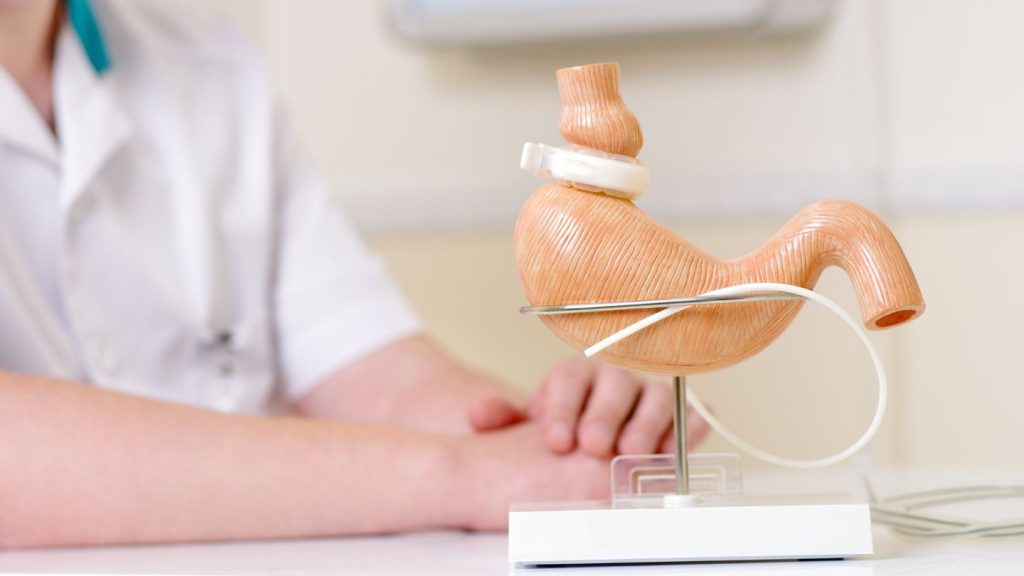
  • Lap Band surgery places a soft, adjustable silicone band around the upper part of the stomach to create a smaller stomach pouch. It doesn’t remove any stomach tissue and can be adjusted or removed later if needed.

When comparing gastric sleeve vs Band, the main distinction comes down to permanence: one is reversible, the other is not.

How Lap Band Surgery Works

In Lap Band surgery, a surgeon places an inflatable band around the top portion of the stomach, creating a small pouch. This smaller space limits how much food you can eat and helps you feel full faster.

The band is connected to a small port beneath the skin, allowing adjustments through saline injections. The tightness can be changed as needed to optimize weight loss or reduce discomfort.

Because no part of the stomach is removed, Lap Band surgery is both adjustable and reversible, which appeals to many patients who prefer flexibility. In some cases, patients who’ve previously undergone a gastric bypass may consider a lap band after a gastric bypass to enhance restriction and achieve additional weight loss results. However, the trade-off is that it typically leads to slower, less predictable weight loss than the gastric sleeve.

How Gastric Sleeve Surgery Works

How Gastric Sleeve Surgery Works

Gastric sleeve surgery, also known as sleeve gastrectomy, removes roughly 75–80% of the stomach. The remaining stomach resembles a small “sleeve” or tube that limits food intake and influences hunger hormones like ghrelin, which play a key role in appetite control.

Unlike Lap Band surgery, the gastric sleeve is not reversible,once part of the stomach is removed, it cannot be replaced.

However, this procedure offers long-lasting, consistent results with fewer follow-up adjustments. Patients often find that their hunger naturally decreases, helping them maintain their results for years after surgery.

Reversibility and Permanence

A major consideration when comparing gastric band vs sleeve surgery is whether you want a permanent or temporary procedure.

  • Lap Band surgery can be adjusted, tightened, or even removed at any time. This reversibility is one of its biggest advantages.
  • Gastric sleeve surgery, on the other hand, is permanent. The stomach tissue that’s removed cannot be restored.

If you prefer flexibility or aren’t ready for an irreversible operation, the Lap Band may seem more appealing. But if you’re looking for lasting weight loss results with minimal maintenance, the gastric sleeve is often the better long-term option.

Who Qualifies for Each Procedure?

Lap Band Candidates

You may qualify for Lap Band surgery if you:

  • Have a BMI over 40, or over 35 with obesity-related conditions like diabetes or sleep apnea.
  • Prefer a reversible and adjustable procedure.
  • Are comfortable attending regular follow-up appointments for band adjustments.

If you’re unsure whether you meet the eligibility requirements for Lap Band surgery, speaking with a bariatric specialist can help determine if this procedure fits your health profile.

Gastric Sleeve Candidates

You may qualify for gastric sleeve surgery if you:

  • Have a BMI of 35+ with health conditions, or 40+ without.
  • Want a permanent, lower-maintenance option.
  • Are ready for a lifetime commitment to healthy eating and post-surgical care.

If you’re comparing Lap Band or gastric sleeve, which is better, the answer depends on your health, goals, and willingness to adapt to permanent changes.

Benefits of Lap Band Surgery

Lap Band surgery offers several advantages, especially for patients who prefer a less invasive or reversible approach:

  • No stomach cutting or stapling , the stomach remains intact.
  • Shorter surgery time and faster recovery.
  • Adjustable restriction allows fine-tuning for better comfort and results.
  • Reversible option if you wish to remove the band later.

However, Lap Band patients must commit to regular adjustments and monitoring to prevent complications like band slippage or erosion.

Benefits of Gastric Sleeve Surgery

Benefits of Gastric Sleeve Surgery

The gastric sleeve provides many benefits that make it one of the most popular weight loss surgeries in the U.S.:

  • Significant and consistent weight loss , patients typically lose 60–70% of their excess weight.
  • Reduced hunger and appetite due to hormonal changes.
  • No foreign devices inside the body.
  • Simpler post-op care with fewer long-term complications compared to adjustable bands.

When comparing gastric sleeve vs Band, many patients prefer the sleeve for its predictable, lasting results and fewer maintenance requirements.

Risks and Complications

Like any surgery, both procedures come with risks, though serious complications are rare with experienced bariatric surgeons.

Lap Band Risks

  • Band slippage or erosion
  • Infection or port leakage
  • Need for frequent adjustments
  • Slower weight loss compared to sleeve surgery

Gastric Sleeve Risks

  • Acid reflux or heartburn
  • Nutrient deficiencies
  • Irreversible nature of the procedure

Discuss these potential risks with your bariatric surgeon to determine which surgery best aligns with your comfort level and long-term health goals.

Weight Loss and Long-Term Results

When comparing Lap Band vs sleeve results, the gastric sleeve generally leads to greater and faster weight loss.

  • Lap Band surgery: Average weight loss is about 40–50% of excess weight in the first two years.
  • Gastric sleeve surgery: Patients often lose 60–70% of excess weight within 12–18 months.

While both can help you achieve meaningful results, the gastric sleeve typically provides more sustainable long-term outcomes with less maintenance. If you’re preparing for the procedure, understanding how to lose weight with gastric sleeve surgery can help you set realistic goals and build habits that support long-term success.

Lifestyle and Recovery After Surgery

Lap Band Recovery

  • Most patients return to work within a week.
  • Regular checkups and adjustments are required.
  • Eating habits must be carefully managed to avoid discomfort.

Gastric Sleeve Recovery

  • Slightly longer recovery period but fewer follow-ups.
  • Focus on portion control and nutrient-rich foods.
  • Lifelong commitment to vitamins and hydration.

Both surgeries demand lifestyle changes, but gastric sleeve patients generally find maintenance easier once fully recovered.

Lap Band or Gastric Sleeve: Which Is Better?

lap band or gastric sleeve: which is better?

If you’re debating gastric sleeve vs Band, the best choice depends on your personal needs.

  • Choose the Lap Band if you want a reversible, adjustable, and less invasive procedure.
  • Choose the Gastric Sleeve if you prefer a permanent, effective, and lower-maintenance solution for long-term weight loss.

Most patients seeking durable, consistent results find the gastric sleeve to be the more effective option over time.

Conclusion

Both the Lap Band and gastric sleeve are proven bariatric procedures that can help patients achieve lasting weight loss and improved overall health. The main difference between Lap Band and gastric sleeve lies in their permanence, recovery process, and long-term results. While the Lap Band offers flexibility through adjustability and reversibility, the gastric sleeve delivers more consistent, sustainable outcomes with fewer ongoing maintenance needs. Choosing the correct procedure depends on your personal goals, medical history, and readiness for long-term lifestyle changes.

For expert guidance and compassionate care, trust the Lenox Hill Bariatric Surgery Program. Our board-certified specialists provide comprehensive evaluations, minimally invasive procedures, and individualized treatment plans to support your long-term success. To learn more about undergoing a gastric sleeve in NYC or to schedule a consultation, contact us today.

Frequently Asked Questions

Is the Lap Band or the gastric sleeve more effective for weight loss?

Both procedures can lead to significant weight loss, but the gastric sleeve generally produces faster and more consistent long-term results. The Lap Band may result in slower progress but offers adjustability and reversibility, making it a good option for patients who prefer flexibility.

Can the Lap Band be removed after surgery?

Yes. The Lap Band is fully reversible and can be removed or adjusted at any time. Many patients choose this option if they experience discomfort, complications, or wish to convert to another bariatric procedure like the gastric sleeve or gastric bypass.

Is gastric sleeve surgery permanent?

Yes. The gastric sleeve is a permanent procedure because a portion of the stomach is surgically removed. The remaining sleeve-shaped pouch limits food intake and helps regulate hunger hormones, leading to lasting results when paired with a healthy lifestyle.

What is the recovery time for Lap Band and gastric sleeve surgeries?

Most Lap Band patients recover within a week, while gastric sleeve patients may need two to four weeks before resuming normal activities. Recovery time varies depending on individual health, adherence to post-operative care, and your surgeon’s recommendations.

Which surgery has fewer long-term complications?

The gastric sleeve typically has fewer long-term complications because it doesn’t involve implanted devices or frequent adjustments. The Lap Band, while less invasive initially, may require future maintenance or revision due to issues like band slippage or erosion.

Girl Smiling

Rethinking Gastric Sleeve Surgery: Is Reversal an Option?

If you’re considering weight loss surgery, it’s natural to wonder: Can gastric sleeve bereversed? Gastric sleeve surgery, also called sleeve gastrectomy, is one of the most popular bariatric procedures in the U.S. due to its proven success in promoting long-term weight loss and improving overall health.

However, unlike other types of bariatric surgery, the gastric sleeve is not reversible. Understanding why that is, and what your options are if complications or weight regain occur, can help you make an informed, confident decision about your weight loss journey.

What Is Gastric Sleeve Surgery?

Before exploring whether gastric sleeve reversal is possible, it’s important to understand what happens during the procedure. During sleeve gastrectomy, your surgeon removes about 75–80% of your stomach, leaving behind a small, tube-shaped portion that resembles a banana. This smaller “sleeve” reduces how much food you can eat and helps regulate hunger hormones, particularly ghrelin, which controls appetite.

Because a significant portion of the stomach is permanently removed, is sleeve gastrectomy reversible? Unfortunately, no, it’s considered a permanent procedure. Once that part of the stomach is removed, it cannot be replaced.

Can Gastric Sleeve Be Reversed?

This is one of the most common questions from patients preparing for surgery: can the gastric sleeve be reversed? The simple answer is no,a gastric sleeve cannot be reversed because the removed portion of your stomach is permanently gone. The procedure involves cutting and removing tissue, not just altering it like in Lap Band surgery.

That said, there are still solutions if you experience challenges after surgery. While gastric sleeve reversal isn’t possible in the literal sense, your surgeon can perform revision or conversion surgeries to adjust the results and improve your experience. So, while the answer to “can you reverse a gastric sleeve?” is technically no, there are revisional options available to help if your initial procedure doesn’t deliver the desired results.

Why Is the Gastric Sleeve Considered Permanent?

Patients often ask, “is the gastric sleeve reversible, or can you reverse gastric sleeve surgery?” It’s a fair question, but the gastric sleeve is considered permanent for a few key reasons:

  1. Stomach tissue removal: About 80% of the stomach is surgically removed and cannot be restored.
  2. Hormonal changes: The surgery reduces hunger-regulating hormones like ghrelin permanently.
  3. Anatomical restructuring: Your digestive system is permanently reshaped to accommodate a smaller stomach pouch.

Because of these irreversible changes, gastric sleeve reversal is not medically possible. Instead, surgeons focus on conversion procedures for patients who need adjustments.

What If Gastric Sleeve Surgery Doesn’t Work?

What If Gastric Sleeve Surgery Doesn’t Work?

If your results plateau, you develop severe acid reflux, or you’re struggling to maintain weight loss, you might wonder: “can the gastric sleeve be reversed or fixed?”

While it can’t be reversed, there are revision procedures designed to help:

  • Gastric Sleeve Revision: The existing sleeve is reshaped or tightened to restore restriction.
  • Conversion to Gastric Bypass: A common option for patients dealing with acid reflux or slow weight loss after sleeve surgery.
  • Conversion to Duodenal Switch: An advanced revision for metabolic or hormonal issues that provides even greater weight loss results.

So, while gastric sleeve cannot be reversed, revision surgery allows for improvement without starting over from scratch. Similarly, patients who’ve had other bariatric procedures may explore a gastric bypass reversal to correct complications or improve long-term outcomes. Understanding the distinctions between revision and reversal surgeries helps ensure you make the safest and most informed decision for your health.

Are There Reversible Alternatives to Gastric Sleeve Surgery?

If the idea of a permanent procedure feels intimidating, there are reversible or temporary weight loss options you can discuss with your bariatric surgeon:

  • Gastric Balloon: A non-surgical procedure where a balloon is temporarily placed in the stomach to limit food intake. It’s removed after six months.
  • Lap Band Surgery: A reversible procedure involving an adjustable silicone band placed around the upper stomach. The band can be loosened, tightened, or removed later.

These options may be suitable for patients who aren’t ready for the lifelong commitment that comes with gastric sleeve surgery. So if you’ve been wondering can gastric sleeve be reversed?, it might help to consider whether a reversible bariatric procedure is a better fit for your goals.

Can Your Stomach Go Back to Normal After Gastric Sleeve?

A common misconception is that your stomach can “grow back” after surgery. While your stomach can stretch slightly over time,especially if you eat large portions,it will never return to its original size.

The sleeve is designed to be permanent, and long-term success depends on maintaining healthy habits. To preserve your results:

  • Follow your post-op diet guidelines
  • Eat smaller, nutrient-rich meals
  • Avoid overeating and high-calorie liquids
  • Stay active and attend follow-up visits

Even though gastric sleeve reversal isn’t possible, healthy lifestyle choices ensure lasting success.

How Long Does a Gastric Sleeve Last?

Many patients ask, “How long does the gastric sleeve last?” The results are intended to last a lifetime. The surgery itself doesn’t “expire,” but maintaining results depends on lifestyle and follow-up care.

Some people may consider revision procedures years later due to slow weight regain or new medical needs. These are not reversals; they’re strategic adjustments that keep your health and weight goals on track.

Do People Ever Regret Gastric Sleeve Surgery?

It’s common to feel nervous or have doubts before and after any major surgery. Some patients experience frustration during recovery or wish they had chosen a reversible option. However, most report that the benefits far outweigh the challenges. After losing significant weight, many experience improved blood pressure, reduced diabetes risk, and enhanced confidence.

If you ever question your results, remember: while you can’t reverse gastric sleeve surgery, you can work with your care team to manage symptoms or explore revisional options for renewed success. It’s completely normal to face challenges or slow progress after surgery, but learning strategies to overcome setbacks on your weight-loss journey can help you stay motivated and continue moving toward your goals with confidence.

Why Choose a Permanent Procedure Like the Gastric Sleeve?

Why Choose a Permanent Procedure Like the Gastric Sleeve?

You might ask, “If you can’t reverse a gastric sleeve, why choose it?”
The permanence of this procedure is one of its strengths. It delivers:

  • Long-term results without foreign devices or regular adjustments
  • Permanent hormonal benefits for appetite control
  • Lower complication rates compared to gastric bypass

For many patients, permanence equals peace of mind, a single, lasting change that supports their health for years to come.

Finding the Best Path to Long-Term Success

When it comes to weight loss surgery, there’s no one-size-fits-all approach. While can the gastric sleeve be reversed is a common question, the real focus should be on which procedure fits your health goals and comfort level.

Discuss all your options, including revision and reversible procedures, with a trusted bariatric surgeon. Together, you can design a plan that ensures safe, effective, and sustainable weight loss.

Conclusion

While the gastric sleeve is not reversible, it remains one of the most reliable and effective procedures for achieving lasting weight loss. Understanding that you cannot reverse gastric sleeve surgery allows patients to approach their journey with realistic expectations and long-term commitment. By combining healthy habits, nutritional guidance, and continued medical follow-up, most individuals experience sustainable results and a significant improvement in overall health and confidence.

For those exploring safe and proven bariatric options, the Lenox Hill Bariatric Surgery Program offers expert care and individualized treatment plans. Our skilled team specializes in minimally invasive procedures, such as the gastric sleeve, providing comprehensive support from pre-operative evaluation to long-term recovery. If you’re considering bariatric surgery in New York City, contact our clinic today to learn how we can help you achieve sustainable, life-changing results.

Frequently Asked Questions

Can gastric sleeve be reversed?

No, a gastric sleeve cannot be reversed. During the procedure, about 75–80% of the stomach is permanently removed, making it an irreversible operation. However, if complications occur or results plateau, revision or conversion procedures may be possible.

Can your stomach grow back after gastric sleeve surgery?

Your stomach cannot grow back to its original size after sleeve surgery, but it may stretch slightly over time. Maintaining portion control and following your dietary plan helps prevent stretching and supports long-term results.

What are my options if gastric sleeve surgery doesn’t work?

If you experience challenges after gastric sleeve surgery, your surgeon may recommend a revision procedure or conversion to another bariatric surgery, such as a gastric bypass or duodenal switch, to help improve results or manage symptoms.

Are there reversible alternatives to gastric sleeve surgery?

Yes, reversible options include Lap Band surgery and the gastric balloon. These procedures are adjustable or removable and may be better suited for patients seeking non-permanent solutions.

How long does a gastric sleeve last?

The results of gastric sleeve surgery are designed to last a lifetime. The procedure itself doesn’t “wear off,” but maintaining healthy eating habits, exercise, and regular follow-up care is essential for lasting success.

Back Pain After Gastric Sleeve Surgery: Causes, Remedies, and Recovery Guide

Experiencing back pain after gastric sleeve surgery is more common than many patients expect. While bariatric surgery leads to significant weight loss and health improvement, the rapid physical changes it triggers can affect posture, muscle strength, and nutrient balance, all of which influence spinal comfort. Understanding the root causes of this discomfort can help patients manage symptoms effectively and support long-term recovery.

This guide breaks down the leading causes, management strategies, and preventive measures for gastric sleeve back pain, offering practical insight into what’s normal, what isn’t, and how to restore balance after surgery.

Why Does Back Pain Occur After Gastric Sleeve Surgery?

There are several physiological reasons why back pain after gastric sleeve surgery occurs during the recovery phase. After significant weight loss, the body undergoes postural readjustment as it adapts to reduced fat mass. This realignment can temporarily strain muscles and joints that had been accustomed to supporting more weight.

In some cases, upper back pain after gastric sleeve develops due to postural shifts, muscle fatigue, or ergonomic strain, especially if patients spend long periods sitting or recovering in bed. Furthermore, reduced core strength and rapid fat loss can affect spinal support, making the back more vulnerable to tension and inflammation.

Another contributing factor is gastrointestinal change. Some patients experience GERD (Gastroesophageal Reflux Disease) following surgery, which can cause referred discomfort that feels like upper or middle back tension. Understanding these interrelated causes helps determine whether the pain is muscular, postural, or metabolic in origin. In rare cases, patients who experience persistent discomfort or complications may explore advanced corrective options, such as revisional procedures. Understanding when it may be appropriate to consider a reversal of gastric sleeve surgery helps individuals make informed decisions about long-term health management.

Common Reasons for Back Pain After Gastric Sleeve

Back pain following bariatric procedures can vary in intensity and cause. Here are the most frequent contributors:

Posture Changes

The sudden shift in body composition forces the spine to adjust. After major weight loss, the natural curve of the spine may change, leading to upper back pain after gastric sleeve or muscle tension near the shoulders. Postural awareness and gradual strengthening can help re-stabilize alignment over time.

Muscle Weakness

Rapid weight reduction often leads to muscle loss, including in the back and core. Weakness in these areas can trigger lower back pain after gastric sleeve as the lumbar spine takes on additional strain. Patients who don’t maintain sufficient protein intake or physical activity post-surgery are at higher risk. Early recovery phases often come with varying levels of fatigue and stiffness as the body adapts. Learning what to expect in the first three weeks after gastric sleeve surgery can prepare patients for these transitional changes and promote better recovery habits.

Nutritional Deficiency

Deficiencies in essential vitamins and minerals, particularly Vitamin D, B12, and calcium, can weaken bone density and muscular function. Over time, this can result in middle back pain after gastric sleeve, stiffness, or general discomfort. Regular monitoring and supplementation under medical guidance are crucial for avoiding nutrient-related complications.

Hydration and Circulation

Dehydration affects joint flexibility and tissue recovery. Insufficient hydration may amplify gastric sleeve back pain, particularly during early recovery when the body is adjusting to smaller fluid and food intake.

How to Manage Back Pain Effectively

How to Manage Back Pain Effectively

The good news: most cases of back pain after gastric sleeve are temporary and can be managed with lifestyle adjustments, proper exercise, and nutritional balance.

Improve Your Posture

Focus on spinal alignment while sitting, standing, or sleeping. Use ergonomic support cushions and avoid prolonged periods of inactivity. Gentle stretching, yoga, or guided physical therapy can relieve tension associated with upper back pain after gastric sleeve.

Build Muscle and Consume More Protein

Protein is vital for muscle regeneration. Consistent intake helps rebuild the back and abdominal muscles that stabilize the spine. Strength training or physical therapy routines can also help reduce lower back pain after gastric sleeve by restoring balance and endurance.

Be Aware of Vitamin Intake

Maintaining optimal vitamin and mineral levels prevents musculoskeletal issues. Addressing deficiencies early reduces the likelihood of chronic discomfort such as middle back pain after gastric sleeve and supports overall recovery. Patients who maintain a balanced diet and avoid gastrointestinal distress experience smoother recovery. Understanding how to prevent and manage dumping syndrome after gastric sleeve surgery also plays a role in stabilizing digestion and minimizing strain that may contribute to discomfort.

Hydrate Consistently

Drink adequate fluids throughout the day to support spinal cushioning and muscle function. Proper hydration accelerates recovery and minimizes fatigue-related gastric sleeve back pain.

When Should You Be Concerned About Back Pain?

While mild discomfort is common, persistent or worsening back pain after gastric sleeve surgery should not be ignored. If the pain radiates down the legs, interferes with sleep, or worsens with movement, consult your bariatric care provider immediately.

Other warning signs include:

  • Sharp or burning pain extending beyond the back
  • Numbness or tingling sensations
  • Pain associated with fever or infection
  • Difficulty walking or maintaining balance

In some cases, medication such as acetaminophen or non-NSAID pain relief may be recommended, but always consult your surgeon before taking new medications to avoid gastrointestinal irritation.

Preventing Back Pain After Gastric Sleeve Surgery

Preventing Back Pain After Gastric Sleeve Surgery

Prevention begins with proactive habits. Gradual strength training, consistent nutrition, and ergonomic awareness can minimize the risk of gastric sleeve back pain long after recovery.

  • Engage in daily low-impact exercises such as walking or swimming.
  • Maintain hydration and adequate nutrient intake.
  • Avoid sudden weight fluctuations after reaching target goals.
  • Attend regular follow-up appointments to monitor posture and metabolic health.

For women considering pregnancy after surgery, maintaining spinal health and proper nutrition becomes even more vital. Those who plan to conceive should learn more about being pregnant after gastric sleeve surgery to support both maternal well-being and post-bariatric recovery. By maintaining these habits, most patients experience steady improvement and full mobility within months of surgery.

Conclusion

Experiencing back pain after gastric sleeve surgery doesn’t mean something is wrong, it signals that your body is adjusting to significant changes. With proper posture, nutrition, and exercise, discomfort typically fades as strength and stability return. Recognizing the difference between normal adjustment pain and concerning symptoms ensures timely care and smoother recovery.

The Lenox Hill Bariatric Surgery Program in New York City offers comprehensive support for every stage of your weight-loss journey, from preoperative evaluation to post-surgical rehabilitation. Our multidisciplinary team provides expert guidance to address back pain after gastric sleeve, nutritional deficiencies, and other post-bariatric concerns through personalized care plans.

Frequently Asked Questions

Is back pain normal after gastric sleeve surgery?

Yes, back pain after gastric sleeve is common due to rapid changes in posture and muscle adaptation. It generally improves within a few weeks to months.

How long does lower back pain after gastric sleeve last?

Mild to moderate lower back pain after gastric sleeve often subsides within three months, but persistent symptoms may require physical therapy or medical review.

Can poor nutrition cause back pain?

Yes. Vitamin and protein deficiencies can lead to middle back pain after gastric sleeve and fatigue due to weakened muscles and bone structure.

Should I worry about upper back pain after gastric sleeve?

Occasional tightness or soreness is normal, but sharp or radiating upper back pain after gastric sleeve should be evaluated by a healthcare provider.

What’s the best way to manage pain long-term?

Maintain good posture, strengthen the core, stay hydrated, and follow your bariatric team’s nutrition and exercise plan to avoid recurring gastric sleeve back pain.

Calories to Consume After Gastric Sleeve Procedure

Undergoing gastric sleeve surgery marks the beginning of a transformative journey toward better health and sustainable weight loss. However, one of the most common questions patients have post-surgery is, “How many calories should I eat after gastric sleeve?” Understanding your caloric needs at each stage of recovery is essential for healing, maintaining energy, and achieving long-term success. This guide breaks down calorie recommendations, dietary progression, and best practices for a balanced recovery after bariatric surgery.

Understanding Calorie Needs After Bariatric Surgery

After surgery, your stomach’s reduced capacity limits how much food you can consume. Initially, caloric intake remains very low to allow proper healing and adaptation. Several factors influence how many calories after gastric sleeve surgery are appropriate for you, including age, activity level, gender, and overall health.

Early on, calories come primarily from liquids and protein supplements, gradually transitioning to soft and solid foods as your tolerance improves. Tracking intake and working with a bariatric dietitian ensures that nutrient goals are met without compromising recovery. Those who are still early in their recovery journey can benefit from understanding what happens if you eat solid food after gastric sleeve surgery, as returning to solids too soon can affect both calorie absorption and long-term healing.

How Many Calories Should I Eat After Gastric Sleeve?

During the first few weeks after surgery, your calorie intake is intentionally restricted to promote healing and prevent complications. Patients typically start with 300 to 600 calories per day, focusing on clear liquids and protein-rich shakes. By the third month, most individuals consume around 800 to 1,000 calories daily as their stomach begins to tolerate a wider variety of foods.

Knowing how many calories should I eat after gastric sleeve also depends on how quickly your body adjusts. Aim to meet daily protein requirements—60 to 80 grams per day—before focusing on calorie increases. Hydration remains equally important; drinking at least 64 ounces of water helps prevent dehydration and supports metabolism.

Calories After Gastric Sleeve: Six Months to One Year

At the six-month mark, your dietary plan typically transitions from weight loss acceleration to weight maintenance. Average calories after gastric sleeve range between 900 and 1,200 per day. The goal during this phase is to reintroduce balanced meals without overwhelming your reduced stomach size. Following a structured plan like the gastric sleeve diet guidelines for what to eat after surgery, week by week, can simplify this transition and ensure each phase of your diet supports steady progress.

Patients should focus on:

  • Prioritizing lean proteins such as poultry, fish, and eggs
  • Incorporating vegetables for fiber and micronutrients
  • Avoiding high-sugar or high-fat foods that can cause dumping syndrome
  • Eating slowly and stopping when full

This phase teaches mindful eating and portion control—key habits for maintaining long-term results.

How Many Calories Should a Gastric Sleeve Patient Eat Daily?

How Many Calories Should a Gastric Sleeve Patient Eat Daily?

Caloric requirements stabilize approximately one year post-surgery. On average, how many calories should a gastric sleeve patient eat depends on body composition and activity level. Most individuals maintain their weight effectively with 1,000 to 1,200 calories per day, though active patients may require up to 1,500.

A healthy maintenance plan includes:

  • Three small, balanced meals
  • Two high-protein snacks if needed
  • Continued supplementation with vitamins and minerals
  • Limited intake of refined carbohydrates

Patients exploring safe dietary balance during recovery often ask about beverages like caffeine—understanding how much coffee to drink after gastric sleeve surgery is an important part of maintaining hydration and nutrition balance in later stages. This phase emphasizes sustaining results and preventing weight regain while ensuring sufficient energy for daily activity.

Portion Control and Nutrition Guidelines

Your stomach’s smaller size means portion management becomes a lifelong habit. Practicing portion control helps regulate hunger and prevents overeating. Meals should center on protein first, followed by non-starchy vegetables and limited complex carbs. A good rule of thumb is a 2:1 protein-to-carbohydrate ratio per meal.

Beyond calorie counting, focusing on nutrient density supports optimal health. Vitamins B12, D, and calcium are common deficiencies after bariatric surgery, so ongoing supplementation is critical. Avoid carbonated drinks and sugary beverages, which can stretch the stomach pouch and reduce nutrient absorption.

How to Manage Your Diet After Gastric Sleeve Surgery

Sustaining results requires consistent discipline. Learning how many calories should I eat a day after gastric sleeve and maintaining a structured diet plan ensures your efforts last long-term. Practical strategies include:

  • Meal prepping to avoid impulsive eating
  • Logging meals with a food-tracking app
  • Chewing thoroughly and pausing between bites
  • Separating liquids from meals to prevent overfilling the stomach

Balanced routines help stabilize energy, reduce cravings, and promote better digestion. If you are craving cheese, learn more about when you can eat cheese after a gastric sleeve, which explores protein-rich food timing and reintroduction for long-term dietary balance.

Maintaining a Healthy Weight and Energy Balance

Maintaining a Healthy Weight and Energy Balance

Weight stabilization doesn’t mean your journey is over—it’s an ongoing process of mindful management. Understanding how many calories per day after gastric sleeve helps maintain your progress without compromising nutrition.

If you experience fatigue or plateaus, your provider may adjust your calorie goals to support metabolism. Regular exercise, adequate sleep, and hydration also influence long-term results. Other factors, such as age, can also affect recovery pace and calorie requirements. Patients wondering about candidacy or readiness can explore whether there is an age limit for gastric sleeve surgery to better understand timing and medical considerations. Patients should stay vigilant for subtle changes in hunger patterns, which can indicate metabolic adjustments or nutrient deficiencies.

The Concluding Note on Calories to Consume

Determining how many calories should a bariatric patient eat per day is not a one-size-fits-all equation. Post-surgical calorie needs evolve as your body heals and adapts, but the core principle remains constant—nutrient-rich, portion-controlled eating sustains success. Staying connected with your bariatric care team ensures that your plan evolves alongside your progress and lifestyle changes.

Lenox Hill Bariatric Surgery Program supports patients every step of the way with nutritional counseling, postoperative monitoring, and tailored guidance for long-term wellness. Their expert team helps individuals establish balanced dietary habits, manage portion sizes effectively, and maintain optimal health after gastric sleeve surgery. Learn more about achieving lasting success through expert bariatric care from us.

Frequently Asked Questions

How many calories should I eat after gastric sleeve surgery?

In the early recovery phase, most patients consume 300 to 600 calories per day through liquids and soft foods. By three to six months post-surgery, intake typically increases to around 800–1,000 calories daily under professional supervision.

How many calories should a gastric sleeve patient eat one year after surgery?

Around one year after surgery, most individuals maintain their weight with 1,000–1,200 calories per day. However, this number varies based on activity level, age, and overall health. Active patients may need up to 1,500 calories to sustain energy and prevent fatigue.

How do I know if I’m eating the right amount of calories after bariatric surgery?

Track your meals, protein intake, and energy levels daily. If you experience fatigue, dizziness, or weight plateaus, consult your bariatric dietitian. They can adjust your calorie targets and ensure you’re meeting all essential nutritional requirements.

What happens if I eat too few calories after gastric sleeve surgery?

Eating too few calories can slow metabolism, cause muscle loss, and delay recovery. Your body still needs enough fuel for healing and daily activity, so balanced intake of protein, complex carbohydrates, and healthy fats is essential.

Can I increase my calorie intake once I reach my goal weight?

Yes, but do so gradually under medical guidance. Your dietitian will help determine when and how to increase calories safely to maintain your new weight while avoiding overconsumption or weight regain.

A Guide to the Gastric Sleeve Pre-Op Diet

Preparing for gastric sleeve surgery requires following a specific pre-op diet. In this guide to the gastric sleeves pre-op diet, you’ll learn why it’s essential, what to expect, and how to adhere to it for a successful surgery.

Key Takeaways

  • The gastric sleeve pre-op diet is essential for reducing liver size and fat and improving surgical access and outcomes.
  • Following a structured diet that progresses from solid foods to a clear liquid diet is crucial for preparing the body for surgery.
  • Emotional and mental preparation, along with effective management of hunger and medications, play significant roles in successfully adhering to the pre-op diet.

Understanding the Gastric Sleeve Pre-Op Diet

Understanding the Gastric Sleeve Pre-Op Diet

Adopting the pre-op diet before undergoing gastric sleeve surgery is a vital element of the surgical journey, not merely a preliminary measure. The purpose of this specialized diet is to reduce potential surgical risks by decreasing liver size and fat, improving accessibility for the surgeon. This dietary preparation not only minimizes the duration of surgery but also enhances overall safety.

In addition to physical preparation, this structured diet fosters discipline, which becomes instrumental in maintaining new dietary habits post-surgery. Professional guidance ensures that glycogen depletion and liver shrinkage are safely achieved, laying the foundation for successful surgical outcomes. Medical teams monitor your progress and adjust plans as needed, ensuring the process is as effective and stress-free as possible.

Why a Pre-Op Diet Is Crucial

Reducing the size of your liver before surgery is essential to improve surgical outcomes. The liver’s position directly over the stomach can complicate the procedure if excess fat is present. By adhering to a professionally guided pre-op diet, you help shrink the liver, optimizing conditions for a safer and more efficient operation.

This diet is not only about reducing liver fat but also about addressing visceral fat around abdominal organs. Professional dietary consultations focus on crafting a personalized plan to target these critical areas effectively. Regular check-ins and adjustments by healthcare professionals ensure adherence and mitigate risks during the surgical process.

General Guidelines for Pre-Op Diet

During the pre-op phase, following a professionally crafted diet plan is essential. Such plans are rich in proteins to preserve muscle and enhance recovery. Medical teams ensure you achieve at least 60 grams of protein daily from sources like chicken, lean beef, or eggs while closely monitoring your caloric intake to stay between 800 and 1,200 calories per day.

Dietitians focus on eliminating foods high in refined sugars and carbohydrates to promote liver fat reduction. They recommend low-calorie, nutrient-dense foods, ensuring optimal physical readiness for surgery. Regular consultations help maintain adherence to these guidelines, making the pre-op diet phase manageable and effective.

Detailed Breakdown of Pre-Op Diet Phases

Detailed Breakdown of Pre-Op Diet Phases

The pre-op bariatric diet is not one-size-fits-all. Healthcare professionals customize the regimen based on your BMI and individual health needs. For instance, patients with a BMI between 46-49 often require a three-week plan, while those with a BMI over 60 may follow an extended eight-week liver shrinkage diet. These plans are meticulously monitored to ensure safety and effectiveness.

Professionals oversee each phase, from initial dietary adjustments to the final clear liquid stage. This ensures that your liver is adequately prepared and complications are minimized. They also provide support and guidance throughout, addressing any concerns or challenges.

Three Weeks Before Surgery: Initial Dietary Changes

Three weeks before surgery, significant dietary changes are initiated under professional supervision. Dietitians create a high-protein, low-carbohydrate meal plan tailored to your needs, helping you reach at least 60 grams of protein daily. Foods like lean meats, eggs, and soy are emphasized, while refined sugars and starchy foods are excluded.

Incorporating healthy fats from sources like fish and nuts is also monitored to support the transition to later phases of the diet. Regular consultations with healthcare professionals ensure the diet is effective and sustainable during this critical stage.

One Week Before Surgery: Transitioning to Liquids

As you transition to a liquid diet one week before surgery, medical teams closely guide your intake. Protein shakes are recommended, each providing at least 20 grams of protein and minimal sugar. Adequate hydration is a priority, with healthcare providers advising on the types and quantities of liquids to consume.

Professionals monitor for side effects like nausea or fatigue, offering tailored solutions to address these issues. This phase is carefully supervised to ensure your body is optimally prepared for surgery while maintaining safety and comfort.

Two Days Before Surgery: Clear Liquid Diet

The clear liquid phase begins 48 hours before surgery. Under professional guidance, this phase includes approved liquids such as water, tea, broth, and sugar-free beverages. Dietitians ensure you stay hydrated and consume the appropriate types of liquids to maintain electrolyte balance.

Medical teams provide detailed instructions on pre-surgical preparation, such as limiting liquids within four hours of the procedure. They also monitor compliance to minimize complications with anesthesia, ensuring a seamless transition to surgery.

Addressing Common Challenges with Pre-Op Diets

Addressing Common Challenges with Pre-Op Diets

Adhering to the pre-op diet can be challenging, but professional guidance significantly eases the process. Healthcare teams emphasize staying hydrated, recommending a minimum intake of one gallon of approved liquids daily. They also help identify emotional eating triggers and provide tailored strategies, such as counseling or group support, to address these behaviors.

Professionals ensure that your progress is monitored through regular check-ins, and they provide practical advice to navigate difficulties. With expert assistance, sticking to the pre-op diet becomes manageable and effective.

Managing Hunger and Cravings

The low-calorie pre-op diet may cause hunger and low energy levels, but medical teams offer strategies to address these challenges. High-protein foods like Greek yogurt and lean meats are included in your plan to promote satiety. Dietitians also recommend proper hydration, with a daily goal of at least 92 ounces of fluid, to help curb cravings.

Professionals work closely with you to adjust the diet if necessary, ensuring that you remain comfortable and on track. They also provide techniques to manage cravings, such as meal timing and appropriate snack options, which are essential for success.

Dealing with Side Effects

Fatigue and mood swings are common during the pre-op diet. Medical teams address these symptoms by ensuring adequate hydration and offering personalized support. Regular monitoring helps identify and mitigate side effects, keeping you on track for surgery.

Dietitians also provide advice on managing these challenges, ensuring that the process is as comfortable as possible.

Medication Management During Pre-Op Phase

Proper medication management is a critical component of pre-op preparation. Healthcare professionals provide detailed instructions regarding which medications to continue or stop. They ensure diabetic patients closely monitor blood sugar levels and offer immediate support if issues arise.

The medical team works collaboratively to review your prescriptions, ensuring your safety and optimizing surgical outcomes.

Medications to Avoid

To minimize the risk of complications, it’s crucial to avoid certain medications and substances before undergoing bariatric surgery. Typically, these include anticoagulants, aspirin, ibuprofen, and most arthritis medications. Additionally, steer clear of alcohol, marijuana, THC products, over-the-counter medications, and herbal supplements. Always consult with your surgeon if certain medications need to be continued.

Special Considerations for Diabetic Patients

Patients with diabetes need to meticulously control their medication intake prior to undergoing gastric sleeve surgery. Constant monitoring of blood sugar levels is critical throughout the pre-op diet period to guarantee a secure and effective operation.

What Happens If You Stray from the Pre-Op Diet?

What Happens If You Stray from the Pre-Op Diet?

Adhering to the pre-op diet can significantly lower the risk of complications during surgery. Failure to follow the diet can prevent the liver from shrinking, complicating the surgical procedure. Cheating on the diet may result in complications affecting the surgery’s success.

Not following the pre-op diet can lead to a possible cancellation of the scheduled surgery. Increased surgical risks and potential postponement of the procedure occur when the pre-op diet is ignored. Sticking to the pre-op diet ensures a smooth and successful surgery.

Read more: Risks of Overeating After Gastric Sleeve Surgery

Sample Meal Plan for Pre-Op Diet

Sample Meal Plan for Pre-Op Diet

Adhering to a well-organized meal plan is essential when undertaking the various stages of a pre-op diet. This regimen transitions methodically from eating solid foods to embracing liquids. As part of your pre-op dietary routine, you should aim for 2-3 meals consisting of solid food each day and include 1-2 protein shakes in order to sustain proper nutrition.

In the upcoming sections, we will offer illustrative meal plans pertinent to each stage: commencing with solid food intake three weeks prior to surgery, shifting towards liquid-based meals one week before the operation, and concluding with an exclusive clear liquid diet two days ahead of undergoing surgery.

Sample Meals Three Weeks Before Surgery

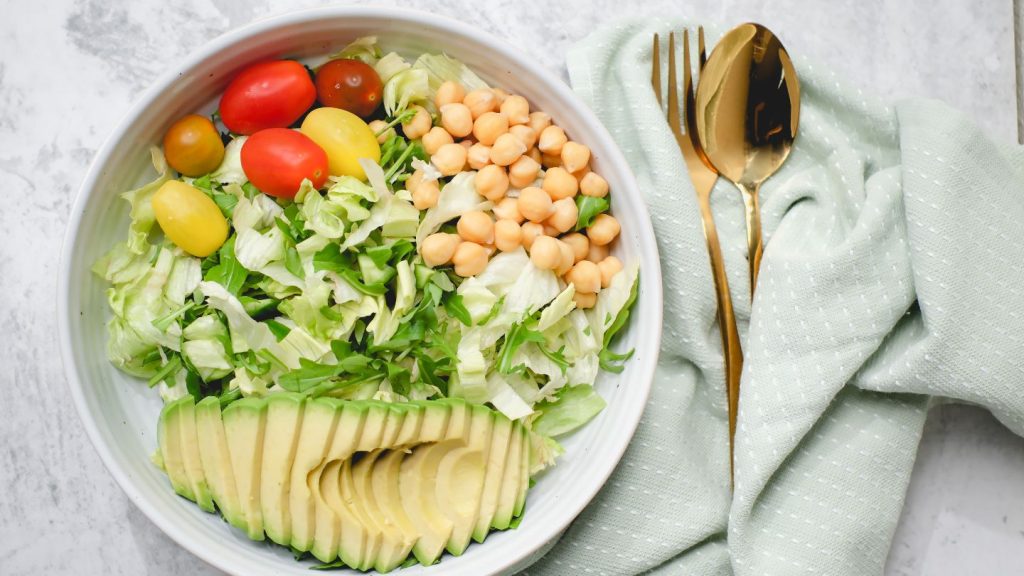
Three weeks before surgery, focus on protein-rich foods and avoid refined sugars. Breakfast options can include whole eggs, avocado, spinach, and protein shakes. For an evening snack, enjoy apple slices with almond butter. Another option is to have vegetables with hummus.

Solid foods should include lean meats like chicken or fish and non-starchy vegetables. Avoid dairy and refined carbohydrates to meet the dietary guidelines for a successful surgery.

Sample Liquid Meals One Week Before Surgery

One week before surgery, the diet should consist primarily of liquids, including broth and sugar-free drinks. This transition ensures your digestive system is prepared for the procedure. Adequate protein intake during this phase aids in recovery and maintains muscle mass.

Include options like protein shakes, broth, and gelatins in your liquid diet. Staying hydrated is essential, so drink plenty of water and other approved beverages.

Sample Clear Liquids Two Days Before Surgery

Commence a clear liquid diet 48 hours prior to your surgery, which is essential for preparing your body properly. Appropriate choices for this diet are chicken or vegetable broth, flavored water without sugar, and other sugar-free beverages. The aim here is to keep the body hydrated while avoiding any solid foods that might complicate surgical procedures by remaining in the digestive system.

Make sure not to consume any food or liquid within a four-hour window leading up to your operation, as this could potentially interfere with anesthesia and lead to complications during surgery.

Read more: Essential Guide: What Foods and Drinks Should You Avoid After Bariatric Surgery

Preparing Mentally and Emotionally for Pre-Op Diet

Preparing oneself mentally and emotionally for the pre-op diet is as vital as the physical aspect. Crafting realistic objectives that one can reach helps maintain drive throughout the pre-op phase. Drawing on support from medical professionals and peer groups provides invaluable motivation while adhering to your op diet regimen, establishing a framework of healthy practices that are key to sustained success following surgery.

Maintaining a journal or monitoring your advancement allows you to remain concentrated and contemplate your mental voyage during the diet. It’s important to identify what prompts emotional eating and develop strategies for dealing with these triggers by participating in exercises or reaching out for support, which significantly assists in maintaining commitment to your pre-op dietary plan.

This path isn’t solely about readying yourself for an operation. It lays down a groundwork for embracing a lifestyle that’s healthier and more filled with activity.

Summary

Following the gastric sleeve pre-op diet is an essential component of preparing for successful weight loss surgery. This structured plan, developed with the guidance of medical professionals, focuses on reducing liver and abdominal fat to ensure a safer and more efficient procedure. By committing to the pre-op diet stages, overcoming challenges with professional support, and preparing emotionally and mentally, patients can significantly improve their surgical outcomes and long-term health.

Lenox Hill Bariatric Surgery offers personalized guidance and expert support to help you begin your journey toward better health and a more active lifestyle if you’re considering a gastric sleeve in New York. Contact us today to take the first step toward transforming your life.

Frequently Asked Questions

1. How can I manage hunger during the liquid-only phase of the pre-op diet?

Hunger can be challenging, but staying hydrated is key. Drinking at least 92 ounces of fluids daily, including water, broth, and sugar-free beverages, helps curb hunger. High-protein shakes specifically designed for pre-op diets can also keep you feeling full longer.

2. What should I look for when choosing protein shakes for the pre-op diet?

Opt for shakes with at least 20 grams of protein per serving and low sugar content. Avoid shakes with high carbohydrate counts, and consult us for recommendations tailored to your nutritional needs.

3. What can I do if I experience side effects like fatigue or mood swings on the pre-op diet?

Fatigue and mood swings are common as your body adjusts to the lower calorie intake. Staying hydrated and consuming nutrient-rich liquids can help. If symptoms persist, consult us for possible modifications to your diet plan or additional support.

Person Eating Pizza And Fries

Risks of Overeating After Gastric Sleeve Surgery

Gastric sleeve surgery significantly reduces stomach size to limit food intake and promote weight loss. However, the benefits of this procedure can be compromised by poor eating habits, particularly overeating after the gastric sleeve. While the physical space for food is drastically reduced, the risks of reverting to unhealthy eating behaviors are still present. Understanding what happens if you overeat and how to stop is key to long-term success.

What Happens If You Overeat After a Gastric Sleeve?

Immediately following surgery, eating too much can overwhelm your new stomach pouch. This isn’t just uncomfortable; it can be dangerous. What happens if you eat too much after a gastric sleeve procedure includes symptoms like intense pressure, cramping, and nausea. The stomach can only handle about 1–2 ounces early on, so even slight overconsumption may lead to dumping syndrome, vomiting, or acid reflux.

As time progresses, the stomach may adapt slightly, but chronic overeating can stretch the pouch. This means that what happens if you overeat after a gastric sleeve isn’t limited to discomfort. It can cause stomach dilation, making the surgery less effective. Weight regain is common, and the metabolic benefits of the surgery may be reversed.

Symptoms of Overeating After Gastric Sleeve

Recognizing the symptoms of overeating after a gastric sleeve is critical for preventing long-term damage. These signs often appear soon after meals and serve as red flags for maladaptive eating patterns.

Common gastric sleeve overeating symptoms include:

  • Sharp or cramping abdominal pain
  • Bloating and gassiness
  • Acid reflux or persistent heartburn
  • Nausea and vomiting
  • Constipation or diarrhea
  • Fatigue or dizziness post-meal
  • Plateauing weight loss or unexpected weight gain

Occasionally, these symptoms may not feel severe, but repeated episodes of eating too much after the gastric sleeve gradually worsen outcomes. Ignoring these signs can make recovery harder and may lead to the need for revision surgery. Patients preparing for surgery can benefit from the gastric sleeve pre-op diet, which focuses on high-protein, low-carb meals and a carefully timed liquid phase to shrink the liver and create optimal conditions for a safe procedure. 

Why Does Overeating Happen After Surgery?

why does overeating happen after surgery

Many patients are surprised to experience cravings or urges to eat beyond their new capacity. However, binge eating after a gastric sleeve is a real risk. Physiological and psychological factors both play roles.

Hormonal shifts after surgery can initially suppress appetite, but ghrelin (the hunger hormone) may gradually rise again. Emotional eating patterns don’t disappear overnight. Anxiety, depression, boredom, or stress can all trigger compulsive eating. Without ongoing support, patients may turn to food for comfort, even if their stomachs can no longer tolerate it.

This means overeating after a gastric sleeve is often not about physical hunger, but about habit, coping mechanisms, and lack of nutritional planning. Addressing root causes is crucial.

What to Do If You Overeat After Gastric Sleeve

Occasional overeating doesn’t mean the surgery has failed, but it does require attention. Knowing what to do if you overeat after a gastric sleeve can help minimize harm and prevent repeat episodes. Recovery also depends on movement. The guide on exercising after bariatric surgery highlights how gentle walking soon after surgery supports healing, with gradual progression to low-impact cardio and light strength training to maintain muscle and improve long-term results.   

If you’ve eaten too much:

  • Stop immediately: Don’t try to “push through” the meal.
  • Sit upright and relax. Lying down can worsen reflux.
  • Don’t drink fluids right away. Wait 30 minutes to avoid more pressure on the stomach.
  • Use heating pads or gentle walking to reduce gas pains.
  • Monitor symptoms: If you experience prolonged vomiting or sharp pain, contact your bariatric provider.

Frequent episodes should prompt a review of your diet and behavior. Don’t ignore small lapses; they often signal a deeper issue requiring intervention.

How to Stop Overeating After Gastric Sleeve

Preventing relapse into old habits takes structured support and intentional change. If you’re wondering how to stop overeating after a gastric sleeve, start with the following strategies:

  1. Follow your post-op diet stages: Your care team should guide you through liquid, soft, and solid food phases. Rushing this process can lead to overeating.
  2. Portion control is non-negotiable: Use measuring tools and food scales.
  3. Slow down: Take 20–30 minutes per meal. Savor each bite and chew thoroughly.
  4. Mindful eating: Eliminate distractions during meals. Focus on flavor, fullness, and mood.
  5. Journal meals and emotions: Track what and why you eat. Patterns often reveal themselves.
  6. Establish a support system: Regularly check in with a dietitian or therapist who understands bariatric recovery.

Avoiding overeating after a gastric sleeve is easier when you develop a structured relationship with food instead of eating reactively. To maintain energy throughout the healing process, the blog on boosting energy after gastric sleeve surgery emphasizes the importance of balanced protein intake, steady hydration, quality sleep, and mindful activity as key drivers of lasting vitality and sustained weight loss.   

Long-Term Risks of Chronic Overeating

long-term risks of chronic overeating

Sporadic overeating is manageable. But habitual binge behavior can cause:

  • Stomach pouch stretching
  • Increased acid production and reflux disease
  • Hernia formation
  • Nutritional deficiencies
  • Return of pre-surgery health issues like diabetes or high blood pressure

Worse, weight regain can undermine confidence and prompt disordered eating cycles. Some patients may ultimately require a gastric sleeve revision surgery if damage is extensive.

That’s why monitoring what happens if you overeat after a gastric sleeve isn’t just about short-term relief. It’s about preserving the integrity of your surgery and your long-term health goals.

Final Thoughts

Overeating after weight loss surgery is more common than many patients expect, but it’s never a reason for shame. Recognizing the symptoms of overeating after a gastric sleeve early, addressing emotional triggers, and implementing daily strategies can protect your health.

For those navigating these challenges, the expert team at Lenox Hill Bariatric Surgery Program offers personalized support and comprehensive post-op guidance for patients considering or recovering from gastric sleeve surgery in NYC. Their commitment to long-term outcomes helps patients stay on track, every step of the way.  

Close Up Of A Women Holding A Stomach

Adapting Through Stagnation: Effective Strategies to Overcome Post-Gastric Sleeve Weight Loss Plateaus

Many patients experience a weight loss stall after gastric sleeve surgery, even when following their program carefully. These stalls are not unusual; they reflect the body’s adjustment to rapid weight reduction. Initially, the body burns calories quickly due to a sudden drop in intake. Over time, metabolism adapts, slowing the rate of fat loss.

Hormonal shifts, especially changes in ghrelin and leptin, also play a role in appetite and satiety. In addition, lifestyle drift, such as grazing on snacks, portion creep, or not tracking intake, can contribute to a stall. Emotional fatigue and stress further reinforce plateaus, making it critical to recognize that this stage is normal and temporary.

Recognizing the Signs of a Plateau

Not every fluctuation means you’ve hit a plateau after gastric sleeve surgery. Weight can vary daily due to hydration, sodium, and hormonal cycles. A plateau occurs when there’s no progress in weight or inches over two to four weeks.

Patients often report a 3-month stall after a gastric sleeve or a 2-month stall after a gastric sleeve, which can be discouraging. Others may face a 4-month stall after gastric sleeve, or even a 6-month stall after gastric sleeve, as the body adjusts to long-term changes. An 8-month stall after gastric sleeve may sound alarming, but it still falls within the spectrum of expected recovery and adaptation.

Tracking weight trends, body measurements, and non-scale victories, such as improved stamina or clothing fit, helps determine whether it’s a true weight stall after the gastric sleeve or simply a short-term fluctuation.

The importance of follow-up after gastric sleeve care surgery cannot be overstated. Consistent appointments allow your medical team to monitor nutrient levels, adjust meal plans, and identify any factors causing a weight loss stall. 

Practical Strategies to Break Through a Plateau

practical strategies to break through a plateau

Prioritize Protein at Every Meal

Protein is the cornerstone of bariatric nutrition. Patients struggling with a gastric sleeve weight loss stall often find improvement by increasing protein intake. Aim for lean sources like poultry, fish, eggs, and plant-based proteins. This preserves muscle mass, stabilizes blood sugar, and supports satiety.

Exploring the top ways to boost energy after gastric sleeve surgery in NYC is key to sustaining momentum. Prioritizing protein, staying hydrated, and focusing on quality sleep can increase energy while supporting metabolism.  

Build Lean Muscle Through Strength Training

Adding resistance training helps increase metabolism and burn calories even at rest. Many patients notice their stall after the gastric sleeve begins to break once strength training becomes part of their routine. Even light weightlifting or bodyweight exercises can make a measurable impact.

Read more: The Benefits of Strength and Cardio Training for Bariatric Patients

Stay Hydrated and Minimize Liquid Calories

Dehydration can mimic hunger, leading to excess snacking. Water supports fat metabolism and prevents false hunger cues. Sugary drinks, juices, or calorie-dense coffee beverages can contribute to stalls. Choosing water or calorie-free options can help address a weight loss stall after the gastric sleeve quickly.

Reassess Meal Frequency and Portion Sizes

A common culprit of a stall after a gastric sleeve is unintentional portion creep. Small snacks throughout the day can add up, slowing progress. Structuring meals with measured portions helps recalibrate intake and keep the body on track.

Following the tips to feel better during gastric sleeve surgery recovery helps create a smoother healing journey. Gradual movement, mindful eating, and careful incision care minimize discomfort and prevent complications. A strong recovery foundation improves energy and consistency, which are vital for long-term success and avoiding a prolonged weight loss stall.  

Keep a Journal to Identify Hidden Calories

Tracking meals, snacks, and beverages exposes patterns that may be overlooked. A journal can reveal behaviors, like late-night snacking, that contribute to a weight stall after a gastric sleeve. Consistent documentation empowers patients to make precise adjustments.

Beyond Diet and Exercise: Addressing the Bigger Picture

beyond diet and exercise addressing the bigger picture

While nutrition and fitness remain central, other factors influence plateaus:

  • Sleep Quality – Inadequate sleep increases cortisol, a hormone linked to fat retention.
  • Stress Management – Chronic stress can fuel emotional eating, reinforcing a plateau after the gastric sleeve.
  • Mental Health – Frustration, anxiety, or depression during a stall are common. Seeking counseling or support groups helps sustain motivation.

Acknowledging these factors ensures that progress continues holistically, not just physically.

Rediscovering the joy of swimming post bariatric surgery introduces a fun, low-impact way to increase calorie burn and build muscle. Once cleared by your care team, swimming enhances fitness without straining joints and can help break through a stubborn weight loss plateau after gastric sleeve surgery. 

How to Break a Stall After Gastric Sleeve With Professional Guidance

Sometimes, breaking through requires medical expertise. Nutritionists can identify deficiencies, while lab testing may uncover metabolic or hormonal imbalances. For persistent stalls, like a 6-month stall after a gastric sleeve or longer, providers may consider revisional surgery as a last resort. However, this option is rarely the first step; most patients overcome stalls with adjustments in diet, activity, and behavior.

Patients asking how to break a stall after a gastric sleeve often benefit from a structured evaluation, targeted counseling, and accountability with bariatric professionals.

Read more: Gastric Sleeve Diet Guidelines for What to Eat After Surgery Week by Week

Final Thoughts

A gastric sleeve weight loss stall can feel discouraging, but it does not mean failure. Whether facing a 2-month stall after a gastric sleeve or an 8-month stall after a gastric sleeve, the key is recognizing that these pauses are part of the process. Progress may slow, but sustainable habits ensure long-term success.

For ongoing support and professional strategies to overcome a plateau after gastric sleeve, Lenox Hill Bariatric Surgery Program, a leading provider of care for gastric sleeve in NYC, offers personalized guidance and long-term care. Their multidisciplinary approach helps patients identify the root causes of stalls, adjust nutrition and activity plans, and re-engage with goals in a sustainable way. In addition to expert support, we offer a full spectrum of bariatric surgery in NY, including lap band surgery, SIPS surgery, and more. Patients can move beyond stagnation, overcome setbacks, and build a foundation for lasting weight loss success. Contact us today to take the next step.

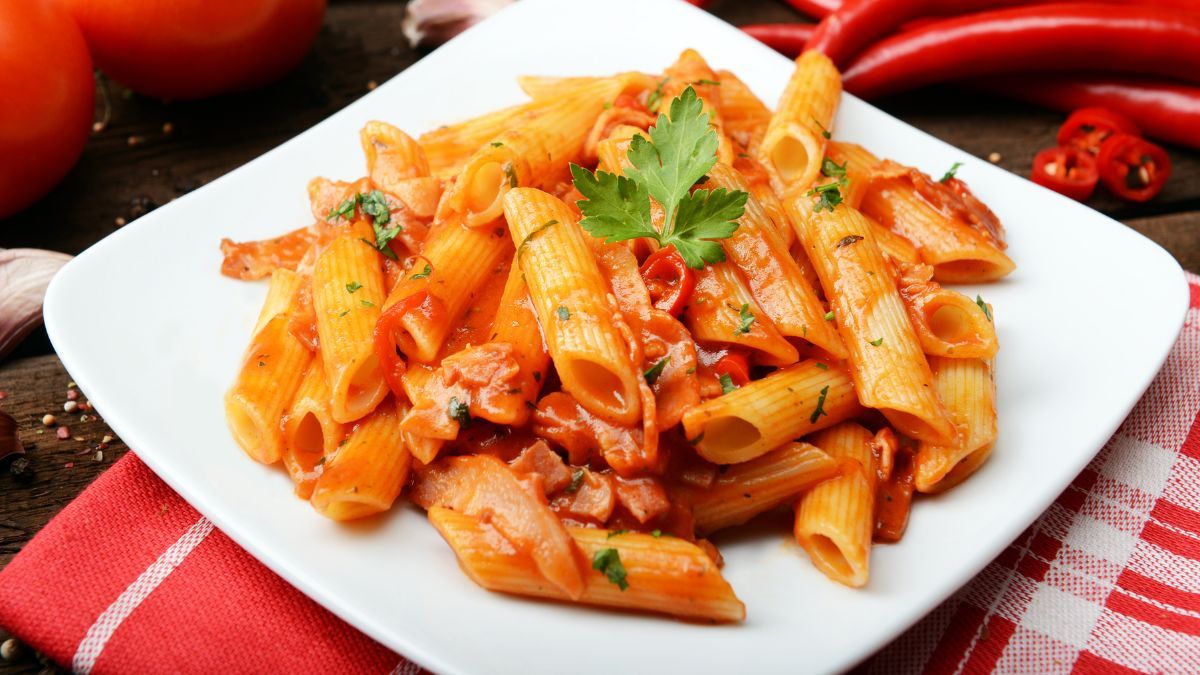
Pasta After Gastric Sleeve Surgery

Pasta is a favorite food for most people around the world. However, if you recently had gastric sleeve surgery, this food preference may have to change, given its high-calorie level that is unsuitable for your health. Does this mean you must avoid the meal altogether? Read on to understand when you can eat pasta after gastric sleeve.

When Can I Have Pasta After Gastric Sleeve?

Immediately after gastric sleeve surgery, you will be under a 4-phase diet, and you should follow each to ensure the success of your surgery and limit post-operative complications.

In the first and second phases, limit your diet to liquids and pureed foods; hence, no pasta. You will start introducing soft foods like eggs, Greek yogurt, and some fruits and non-starchy vegetables in phase three, but still, avoid pasta as your body is still adjusting to the dietary and lifestyle changes.

So, when can you eat pasta after gastric sleeve? The twelfth week marks the start of the last phase toward attaining your weight loss goal and will differ in length among individuals. You will start adding most of the foods into your diet, including all fruits and lean meat, and then… Pasta!

Read more: Gastric Sleeve Diet Guidelines for What to Eat After Surgery Week by Week

How Do You Add Pasta To Your Diet?

While your system is healed by the time you are introducing pasta after gastric sleeve, this process should be gradual to give your body ample time to adjust. Start with a small portion and check your body’s reaction, then gradually increase the amount to as much as your stomach can hold without surpassing the recommendations ideal for meeting your weight loss goals.

A Healthy Way To Introduce Pasta After Bariatric Surgery

Despite its high carb content, pasta can be a healthy food choice, depending on how you add it to your diet. To minimize postsurgical complications, keep your blood sugars stable, and get all the nutrients that your body needs, go for whole grain pasta rather than refined pasta and pair your meal with lean proteins and vegetables. Lastly, watch your portions and avoid overeating lest you mess with your weight loss goals.

Read more: Risks of Overeating After Gastric Sleeve Surgery

Gastric Sleeve Surgery for Weight Loss

When eating pasta after gastric sleeve, introduce the food in the final phase and be careful with how you do it. For more information about medically approved ways to reduce weight, contact Lenox Hill Hospital for gastric sleeve surgery in NYC today.

Woman Having Hiccups

What Causes Hiccups After Gastric Sleeve Surgery?

Gastric sleeve surgery is a reliable weight loss procedure that has helped many people shed excessive weight. Thanks to this procedure, many have improved their health. While gastric sleeve surgery has numerous benefits, some patients may experience a rather unexpected side effect: hiccups after gastric sleeve surgery. Read on as we will explore the reasons behind these hiccups and how to manage them.

Hiccups After Gastric Sleeve Surgery

Hiccups are involuntary contractions of the diaphragm followed by the closure of the vocal cords. This flow of events produces a distinct “hic” sound. It is not unusual to develop these post-surgery hiccups as they might occur shortly after the gastric bypass procedure. Here are some of the factors that contribute to their occurrence.

  • Diaphragm irritation: The stomach significantly reduces in size during gastric sleeve surgery. The rapid shrinkage can irritate the diaphragm, which is the muscle that controls breathing. Consequently, the patient will develop hiccups.
  • Air swallowing: Hiccups can also result from swallowing air. This is quite common, especially if a breathing tube is used. The air may remain trapped in the stomach and cause hiccups when it is released. 
  • Anesthesia effects: The use of anesthesia during surgery can affect the body’s reflexes and sometimes lead to postoperative hiccups. These hiccups typically subside as the anesthesia wears off.

Managing Painful Hiccups After Gastric Sleeve Surgery

While hiccups after VSG might throw you off a bit, the good news is they are usually just a temporary bother and disappear within a few days or weeks. However, there are several strategies to help manage and dismiss these hiccups:

  • Stay hydrated: Ensure you’re giving your body the hydration it craves. Take small sips of water or clear fluids—It’s like a spa treatment for your diaphragm. Consistent hydration is key.
  • Take slow, deep breaths: Breathe in, breathe out—a few minutes of these mindful breaths can make a noticeable difference in taming those hiccups.
  • Medications: In extreme cases, your healthcare provider may prescribe medications to alleviate persistent and painful hiccups.
  • Avoid carbonated beverages: Carbonated drinks can exacerbate hiccups. Therefore, it is best to avoid them during your recovery. If you have to drink something carbonated, keep it at extremely low levels until recovery.

    Read more: Drinking Alcohol After Bariatric Surgery—Is It Safe?

What Next After Gastric Sleeve Surgery?

Hiccups after sleeve surgery are a temporary and manageable side effect. While they may be bothersome, understanding the underlying causes and employing the right strategies can help alleviate discomfort. Our team at Lenox Hill Bariatric Surgery Program is available to make your recovery as smooth as possible after gastric bypass surgery in NYC. Call us today!

  • 1
  • 2